
Fair Market Value Appraisals in Boca Raton
Home / Fair Market Value Jewelry Appraisals
Fair Market Value Jewelry Appraisals in Boca Raton, FL
A fair market value appraisal tells you what your jewelry would actually sell for in an open market between a willing buyer and a willing seller, with neither under pressure and both fully informed. It is the standard the IRS, probate courts and family courts require, and it is materially different from the retail replacement figure on an insurance appraisal.
Most people meet the term through a tax form, a probate filing or a divorce settlement. A fair market value jewelry appraisal answers what a piece would sell for today, not what it would cost to replace, and the two figures are rarely close. If what you actually need is coverage, our fine jewelry appraisals state replacement value instead.
David Stern Jewelers has served Boca Raton and South Florida families for more than forty years. Our GIA-certified Graduate Gemologists combine advanced gemological training with the market knowledge that comes from buying and selling fine jewelry every day, and every report follows the Uniform Standards of Professional Appraisal Practice.
What fair market value means
The price the market will actually bear
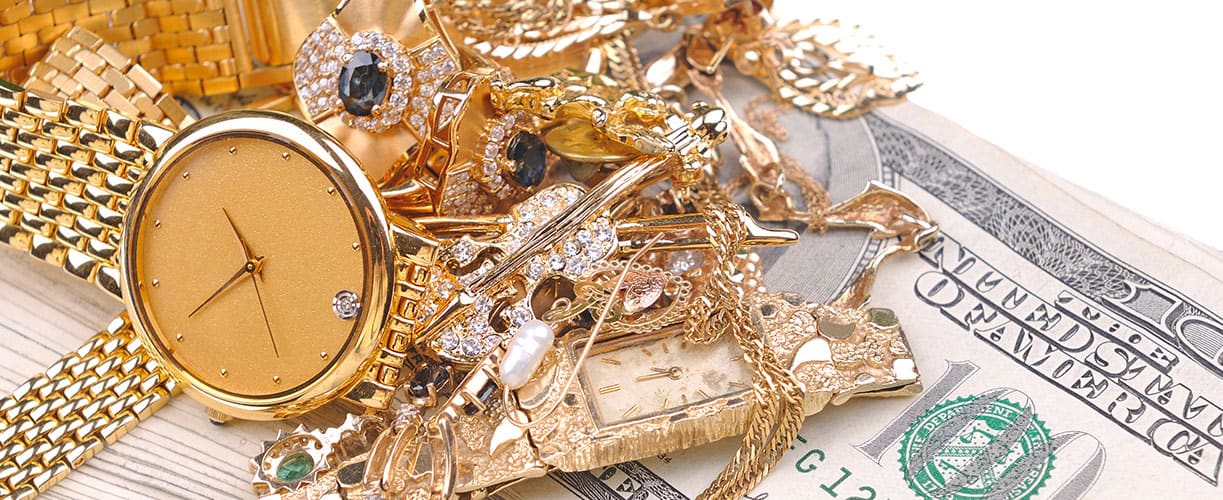
Fair market value is the price a willing buyer and a willing seller would agree on when neither has to act quickly and both know the important facts. It reflects real transactions in secondary markets such as estate sales, auctions and dealer trades.
Replacement value answers a different question: what it would cost to buy a comparable new piece from a jewelry store today. That figure is usually much higher because it carries retail markup and profit, which is why it belongs on an insurance schedule and not on an estate tax return.
Much as a real estate professional establishes a home’s market value from recent comparable sales, a jewelry appraiser establishes fair market value from what buyers are currently paying for comparable pieces.
How we determine value
Instruments, gemology and live market data

We confirm precious metal content with X-Ray Fluorescence analyzers, a non-destructive test, and record exact weights on high-precision scales. Our GIA-certified appraisers grade diamonds and colored gemstones on the Four Cs, and identify lab-grown stones and treatments that materially change value.
Valuation then draws on current market evidence: recent auction results, estate dealer pricing, and wholesale precious metal and diamond markets. Style, age, condition, designer provenance from houses such as Cartier and Tiffany & Co., and collectible status are all weighed piece by piece.
You receive a clear written report with descriptions, professional photographs, metal and gemstone specifications, our credentials, and the methodology and market data behind each figure. Every fair market value appraisal is delivered as a written report you can hand to an attorney, a CPA or a court. Our fees are based on time and expertise, never a percentage of value, so there is no conflict of interest.
When you need one
Six situations that call for fair market value
Each of these requires a fair market value appraisal specifically. An insurance replacement figure will not satisfy the IRS, a probate judge or a family court.
Estate planning and probate
The IRS requires fair market value for estate tax calculations, and Florida probate courts require detailed documentation. Our reports include gemological analysis and photographs that protect the estate from disputes, and we work directly with estate attorneys and CPAs. See our probate jewelry appraisals page.
Charitable donations
Jewelry donated at more than $5,000 in value requires a qualified appraisal under IRS rules. Our reports carry item descriptions, fair market value determinations, market research and appraiser credentials so your deduction stands up to review.
Divorce jewelry appraisal
Courts require fair market value, not insurance replacement value, for equitable division of assets. Our neutral valuations give both parties and their attorneys a defensible number to negotiate from, or authoritative evidence in contested cases. A divorce jewelry appraisal states the same standard the court itself applies.
Financial planning and asset documentation
Financial advisors, lenders and trustees rely on realistic values for financial statements, trust administration, loan applications and wealth management, including cases where fine jewelry is pledged as collateral.
Jewelry resale value
If you are weighing whether to keep, sell or consign a piece, fair market value tells you what the secondary market will actually pay, drawn from live auction results and dealer pricing rather than retail sticker prices. Jewelry resale value is usually a fraction of the original retail price, and knowing it early prevents surprises. If you decide to sell, see sell your jewelry.
Updating outdated valuations
Metal and diamond markets move. We recommend refreshing a fair market value appraisal every three years, or sooner after a significant market shift, so financial and estate records stay accurate.
What drives the number
Jewelry resale value: what the secondary market actually pays
A fair market value appraisal is built from evidence, not opinion. These are the factors that move jewelry resale value most, and each one is documented in the report so you can see where the number came from.
Metal weight and the spot price
Gold, platinum and silver content is weighed precisely and valued against the day’s spot price, which moves constantly. On a plain chain or a heavily worn piece, metal content can account for most of the resale value.
Diamond size, grade and demand
Wholesale diamond demand drives what a stone fetches, and it does not track retail pricing. Larger, well-cut stones hold value best, while small accent diamonds add far less than most owners expect. Our diamond appraisals page covers the grading in depth.
Brand and provenance
Signed pieces from recognized houses carry a premium the same materials would not earn unsigned, provided the hallmarks, serial numbers and papers hold up to examination. Documented history adds more again where it can be verified.
Condition and completeness
Worn prongs, refinished surfaces, replaced parts and past sizing all affect what a buyer will pay, as does having the original box, papers and receipts. Repairs are noted in the report and their effect on value explained.
Style and current taste
Some period and designer styles are sought after and others are not, and taste shifts over time. Fair market value reflects what buyers want now, which is why a piece that cost a great deal decades ago can value modestly today.
Which market it would sell in
Auction, dealer and private sale markets pay different amounts for the same item. The report states which market the value refers to, so the figure can be compared against a real offer rather than an abstraction. Jewelry resale value always depends on where a piece would actually change hands.
Know the difference
Fair market value compared with other values
Fair market value
What a willing buyer would pay a willing seller in an open market, with neither party under pressure and both fully informed.
Replacement value
The retail price to replace an item new from a jewelry store. Almost always higher, because it includes markup and profit.
Assessed value
A figure used by local governments to calculate property taxes, determined by municipal or county tax assessors.
Appraised value
The value stated by a professional appraiser for a defined purpose, most often lending or insurance coverage.
For the IRS
What an IRS qualified appraisal must include
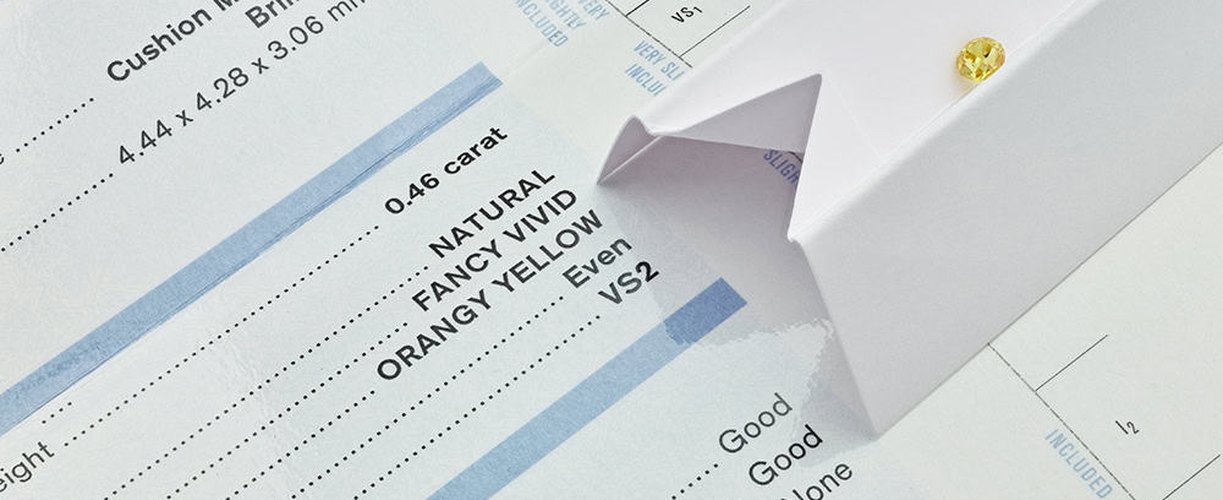
When jewelry is donated and the deduction claimed is more than $5,000, the IRS asks for a qualified appraisal prepared by a qualified appraiser. The rules are specific about who may sign and what the report has to contain, and a valuation that does not meet them puts the deduction at risk.
An IRS qualified appraisal describes the item in detail, states its condition, gives the date of the valuation and of the contribution, names the appraiser and their qualifications, and sets out the method and the market evidence behind the figure. Fees are charged for time and expertise, never as a percentage of the value, which is an IRS requirement in its own right.
Timing matters too. The appraisal generally cannot be made earlier than 60 days before the donation, and the appraiser signs Form 8283 alongside the receiving charity. We prepare reports to those requirements and work with your CPA, though your tax advisor should confirm what your particular return needs. The IRS qualified appraisal is issued as a standalone report so it can be attached to the return without editing.
Family law
Divorce jewelry appraisal: one neutral figure both sides can cite
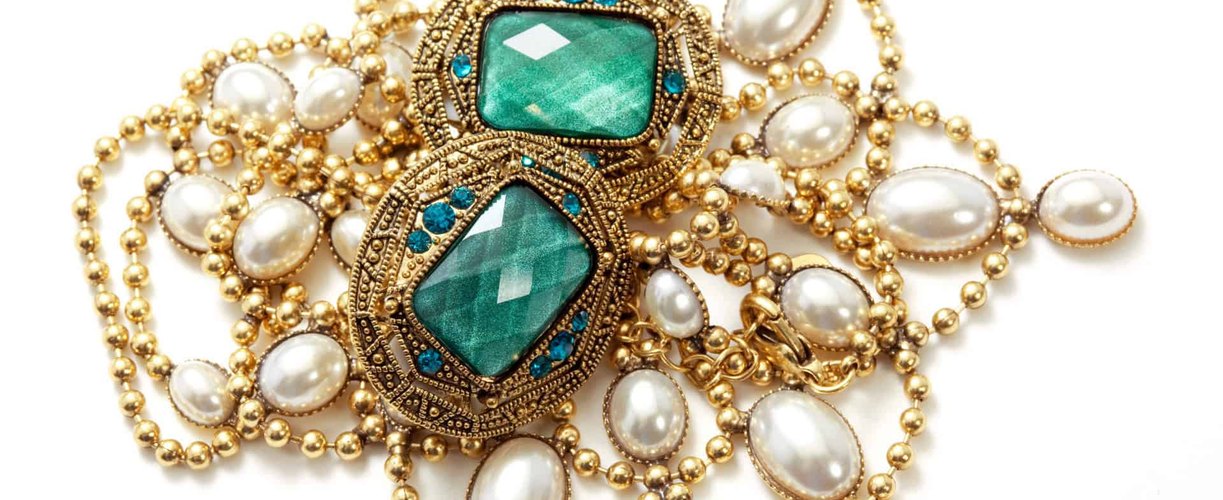
In a divorce, jewelry is marital property that has to be valued before it can be divided, and the standard the court applies is fair market value rather than the retail figure on an insurance appraisal. Relying on the wrong number can hand one spouse an asset worth far less than the paperwork suggests.
Our divorce jewelry appraisal work is independent. We are not retained to argue a position, and the report shows the grades, weights, comparable sales and reasoning behind every value so both attorneys can see how it was reached. Where the parties agree to use a single appraiser, that usually costs far less than two competing reports.
A divorce jewelry appraisal can cover a single engagement ring or an entire collection, work to the valuation date the court has set, and appear as expert witnesses where a case is contested. Bring whatever documentation exists; we can also schedule an appointment through your attorney’s office if that is easier.
GIA Graduate Gemologists · USPAP compliant
Schedule your fair market value appraisal
21073 Powerline Rd, #37, Boca Raton, FL 33433. Monday through Friday 9:30am to 5:30pm, Saturday 10:30am to 4:30pm. Most appraisals are performed in our secure showroom, with on-site service available for large collections.
Fair Market Value Appraisal Questions
What is a fair market value appraisal?
It is a professional opinion of the price your jewelry would bring in an open market transaction between a willing buyer and a willing seller, with both parties informed and neither under pressure to act. It is the standard the IRS, probate courts and family courts rely on, and it is documented in a written report that explains the reasoning behind every figure.
How is fair market value different from replacement value?
Fair market value reflects what jewelry actually sells for in secondary markets such as estate sales, auctions and dealer transactions. Replacement value is the retail cost of buying a comparable new piece from a jewelry store, and it is usually far higher because it includes the jeweler’s markup and profit. Using a replacement-value appraisal for estate taxes or a divorce settlement can badly distort the numbers.
Why would I need a fair market value appraisal?
The most common reasons are estate tax filings and probate, charitable donations above $5,000, division of assets in a divorce, and financial planning tasks such as trust administration, lending and asset documentation. Each of these requires fair market value specifically, not an insurance figure.
How do you determine fair market value?
We confirm precious metal content with X-Ray Fluorescence analyzers and record exact weights on high-precision scales. Our GIA-trained appraisers grade diamonds and colored stones on carat weight, cut, color and clarity, and identify lab-grown stones and treatments that affect value. We then research recent auction results, estate dealer pricing and wholesale metal and diamond markets, factoring in age, style, condition, designer provenance and collectible status.
How long does a fair market value appraisal take?
Small collections are typically complete in three to five business days. Larger estates or complex pieces requiring extended testing and market research may take ten to fourteen days. Expedited service is available when you are working against a court or filing deadline.
What should I bring to my appointment?
Bring the jewelry along with any prior appraisals, receipts, certificates of authenticity, lab reports and provenance information. For estate work, include the death certificate and date of death. If documentation is missing, our gemologists can still identify and value your pieces accurately.
What are your credentials?
Our appraisers hold Graduate Gemologist diplomas from the Gemological Institute of America, the highest gemological credential in the industry, and we follow the Uniform Standards of Professional Appraisal Practice. We are members of the American Gem Society, our reports have been accepted by probate courts, the IRS and family courts across Florida, and we have testified as expert witnesses in legal cases.
How often should I update my appraisal?
Every three years is a good rule, or sooner if gold, platinum or diamond markets move sharply. Outdated appraisals lead to underinsured pieces and inaccurate financial statements.
Can David Stern Jewelers buy my jewelry after the appraisal?
Yes. We keep appraisal and purchase entirely separate so the valuation stays unbiased, and any offer comes after the report is complete. If you choose to sell, we pay competitive prices for gold, platinum, silver, diamonds and colored gemstones based on current market values.
Is a fair market value appraisal the same as an offer to buy my jewelry?
No. A fair market value appraisal is an independent opinion of what a piece would sell for between a willing buyer and a willing seller. An offer is what one particular buyer will pay today, after their own costs and margin. We keep the two separate, and any offer comes only after the appraisal is finished.
Do you charge a percentage of the appraised value?
Never. Our fees are based on time and expertise, because a fee tied to the value gives the appraiser a reason to inflate it. The IRS will not accept a qualified appraisal prepared on a percentage basis, and professional standards prohibit it.
Can I use one appraisal for both insurance and the IRS?
Usually not. Insurance work states retail replacement value while the IRS wants fair market value, and the two figures are often far apart. If you need both, we can issue both from the same examination, which costs less than two separate appointments.
What makes someone a qualified appraiser?
Broadly, the IRS looks for someone with verifiable education and experience in valuing the type of property involved, who performs appraisals regularly and is independent of the donor, the charity and the transaction, and an IRS qualified appraisal has to be signed by someone who meets that test. Our appraisers hold GIA Graduate Gemologist diplomas and follow the Uniform Standards of Professional Appraisal Practice.
Do you give fair market value for lab-grown diamonds?
Yes, and we identify them first. Laboratory-grown stones are valued against the lab-grown market, which behaves very differently from the natural diamond market, and prices have moved sharply in recent years. A figure from an older appraisal is often well out of date.
How recent does a fair market value appraisal need to be?
It depends on the purpose. Estate work is valued as of the date of death, donations generally call for an appraisal made no earlier than 60 days before the gift, and a court sets the valuation date in a divorce. For planning and record keeping, refreshing every three years is a sensible rhythm.
Where are appraisals performed?
Most appraisals take place at our secure Boca Raton showroom, where all professional equipment is on site. For large collections or sensitive situations, we can travel to your home or your attorney’s office with portable instruments.
Visit us
21073 Powerline Rd, #37
Boca Raton, FL 33433
Mon to Fri 9:30 to 5:30
Saturday 10:30 to 4:30
Sunday Closed
Walk in any time for a free jewelry, gold or diamond evaluation. Book ahead for custom design consults and appraisals.