
Sell Your Silver in Boca Raton With Confidence
Home / Sell Your Silver in Boca Raton
Considering selling silver in Boca Raton? From sterling flatware and antique tea services to serving pieces and inherited jewelry, understanding exactly what you have sets the foundation for a well-informed sale. A trusted local buyer should evaluate each item with care, reviewing purity, weight, condition and current silver prices, so the value of every piece is clear.
⚡ Key takeaways
- Check hallmarks: “925,” “Sterling,” or “.925” usually indicate solid sterling silver.
- Separate sterling from silver plate; plated items generally contain far less recoverable silver.
- Offers reflect current spot price, purity, weight, condition, and potential collectible or designer value.
- Bring complete assortments, including damaged pieces, documentation, cases, and maker information for evaluation.
- Avoid aggressive polishing; it can damage antique patina, details, and resale appeal.
- Compare transparent offers and ask how purity, weight, fees, and numismatic value are calculated.
Sell Your Silver in Boca Raton: Start With What You Have
Before you sell your silver in Boca Raton, take a careful look through the pieces already in your home. Valuable silver is often hiding in plain sight: an inherited flatware set, a tea service that no longer gets used, mismatched serving spoons, old coins, jewelry, candlesticks, or decorative pieces stored away after a move. Even damaged or incomplete silver items may have value based on their metal content.
Start by grouping what you have and noting any markings. Sterling pieces are commonly stamped “925,” “Sterling,” or “.925,” while other items may be silver-plated rather than solid silver. Weight, purity, condition, craftsmanship, and collector interest can all affect an offer. A worn bracelet and a bent fork may still qualify as scrap silver; an antique pattern or signed piece may deserve evaluation beyond its silver scrap value.
When you are ready to sell silver, bring the full assortment rather than sorting out only the pieces that look most valuable. A knowledgeable precious metals buyer can identify what is sterling, what is plated, and what may carry added market appeal. Selling silver should feel straightforward: understand what you own, ask how value is determined, and review an offer before deciding. Whether your silver is a family heirloom or a box of miscellaneous scrap, a professional assessment gives you a clear place to start.
Sterling Silver vs. Silver Plate: How to Identify the Difference
Understanding whether an item is sterling silver or silver plate is essential to assessing its value, care requirements, and expected longevity. Sterling silver is a solid alloy containing typically 92.5% pure silver, blended with other metals for durability. Silver-plated pieces, by contrast, feature only a thin silver coating over a base metal such as brass, copper, or nickel alloy. Begin with the markings: “925,” “Sterling,” or “Ster” generally signal genuine sterling, while “EPNS,” “silver plate,” “A1,” and “community plate” usually identify plated wares. On antique flatware and jewelry, hallmarks may be especially small, softened by wear, or missing altogether.
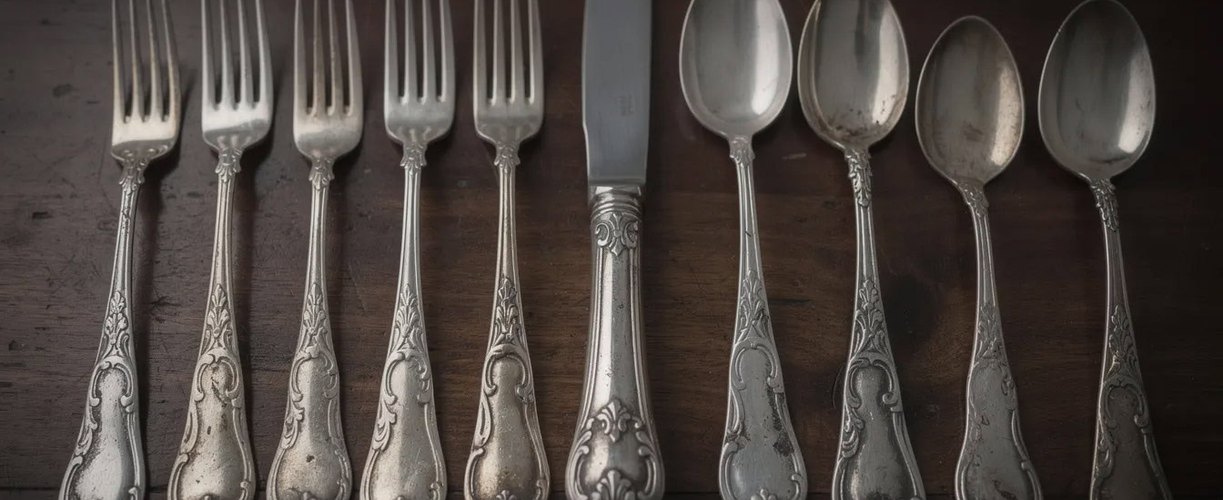
Examine areas that receive the most handling, such as spoon bowls, fork tines, handles, clasps, and raised decorative details. A warm yellow, reddish, or dull gray metal visible beneath the silver surface is a clear sign of plating wear. Weight can provide an additional clue: sterling often has a pleasing, substantial feel, although variations in design and construction mean weight alone is never definitive. Tarnish is similarly inconclusive, as both sterling silver and silver plate can darken with age.
For a confident identification, consult a local expert. A professional can evaluate the piece closely and use non-destructive testing methods, including X-ray fluorescence, without resorting to scratches or harsh acid tests. With a clear understanding of marks, materials, and wear patterns, you can make well-informed decisions about cleaning, repair, resale, and insurance.
Sterling Silver vs. Silver Plate: Quick Identification Guide
| Identification clue | Sterling silver | Silver plate |
|---|---|---|
| Markings | Often marked “925,” “Sterling,” or “Ster.” | Often marked “EPNS,” “silver plate,” “A1,” or “community plate.” |
| Construction | A solid alloy that typically contains 92.5% pure silver, blended with other metals for durability. | A thin silver coating applied over a base metal, such as brass, copper, or nickel alloy. |
| Wear in high-contact areas | Does not have a separate base metal beneath a thin silver surface. | Wear on spoon bowls, fork tines, handles, clasps, or raised details may reveal yellow, reddish, or dull gray base metal. |
| Weight | Often feels pleasingly substantial, although design and construction affect weight. | May feel lighter depending on its base metal and construction, but weight alone is not definitive. |
| Tarnish | Can darken with age. | Can also darken with age, so tarnish does not confirm the material. |
| Professional testing | A local expert can evaluate the metal using non-destructive methods such as X-ray fluorescence. | A local expert can confirm plating and base-metal composition without scratches or harsh acid tests. |
How Local Dealers Price Silver: Purity, Weight and Spot
Reputable local dealers do not set a silver offer by guesswork. They begin with the current spot price, the live benchmark for silver on global markets, then calculate the actual silver content in the item in front of them. Physical silver is valued by purity and weight, not simply by its size, age, or an attractive stamp. A sterling serving tray, for example, contains 92.5% silver; coin silver, .999 bullion, plated pieces, and mixed lots all require different calculations.
From there, dealers apply market-based pricing to the amount of recoverable metal. The market price may be high one week and lower the next, which is why an appraisal from months ago is not a reliable guide to what a silver buyer can pay today. Current silver values also vary by product: easily resold bullion and recognized coins may bring offers closer to spot than damaged flatware, scrap jewelry, or pieces that must be sorted, tested, and refined.
That does not mean every dealer buys silver at the same rate. Silver buyers must account for testing, processing, overhead, and resale risk, so offers typically fall within a reasonable range below spot rather than matching it dollar for dollar. Ask how the weight was measured, what purity was used, and what percentage of the current spot price informs the quote. A clear explanation helps you compare dealers confidently and understand exactly how your silver translates into money.
How to Sell Silver Jewelry, Including Scrap
To sell silver jewelry well, begin by separating pieces that may have value beyond their metal content from true scrap. Signed designer items, antique pieces, distinctive chains, and intact sets can command more when sold as jewelry; broken earrings, bent rings, single cufflinks, and damaged chains are often best evaluated as scrap silver. Look for hallmarks such as “925,” “Sterling,” “800,” or “999,” then gather matching pieces, boxes, receipts, and any maker information you still have.
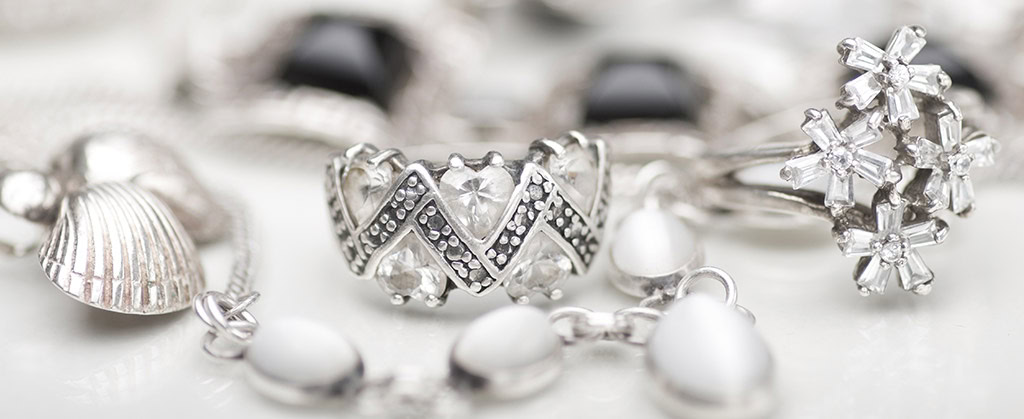
A reputable local buyer should explain how they identify the metal, weigh your items in front of you, and base an offer on purity, weight, and the current silver market, not simply quote one flat rate for everything. Jewelry stores that buy precious metals may be convenient, but their offers and expertise vary. For higher-value silver jewelry, an estate jeweler or specialist buyer may recognize craftsmanship and resale appeal that a scrap-focused counter will not.
If your priority is quick cash, ask for the buyer’s per-gram or per-ounce calculation and whether stones, clasps, or non-silver components are deducted from the weight. Compare at least two written or clearly explained offers before selling, especially when you have a substantial lot. Clean presentation helps, but avoid aggressive polishing or repairs that could diminish collectible value. The right sale is one where the process is transparent, the pricing is understandable, and you feel comfortable accepting the cash offer.
Smart silver selling steps
- Separate signed, antique, intact, or distinctive pieces from broken items likely valued primarily for scrap.
- Check for “925,” “Sterling,” “800,” or “999” hallmarks, and collect boxes, receipts, and maker details.
- Ask buyers to test the metal, weigh items in front of you, and explain their purity calculation.
- Request the per-gram or per-ounce offer and confirm deductions for stones, clasps, or non-silver parts.
- Seek an estate jeweler or specialist buyer for pieces with designer, antique, or resale potential.
- Compare at least two clearly explained offers before accepting, particularly for larger silver jewelry lots.
- Avoid aggressive polishing or repairs that could reduce the value of collectible or antique pieces.
How to Sell Silver Coins and Silver Bullion
When it is time to sell silver coins or silver bullion, the best route depends on what you own, how quickly you need funds, and how much hands-on effort you are willing to make. Recognizable bullion products, such as American Silver Eagles, Canadian Maple Leafs, and investment-grade bars, are generally straightforward to price because their metal content and market demand are well established. Collectible silver coins may require a more specialized evaluation, particularly when date, mint mark, condition, or rarity adds value beyond the silver itself.
A reputable local coin shop can inspect your pieces in person, verify authenticity, and make an offer based on current spot price, resale demand, and any numismatic premium. Compare more than one offer when practical, and ask how the buyer calculates its price. If you have larger holdings, you can sell your silver bars to a bullion dealer, refiners, or established online platforms that publish transparent buyback prices and shipping instructions.
It is also possible to sell to a private buyer online, but that option calls for extra care: use secure payment methods, document the item’s condition, and avoid meeting strangers without sensible precautions. For a streamlined mail-in option, David Stern Jewelers accepts many widely traded silver products. Before you sell, inventory each item, note weights and markings, and separate common bullion from potentially collectible silver coins. A little preparation helps ensure you receive an offer that reflects what your silver is actually worth.
Preparing Your Silver for a Boca Raton Appraisal
A well-prepared appraisal helps you understand what your silver may command before you decide to sell. Begin by gathering pieces in one place: flatware sets, serving pieces, tea services, trays, coins, jewelry, and any boxed or inherited items. Keep original cases, receipts, maker information, certificates, and family notes with the collection. These details can help local dealers distinguish sterling from silver plate, identify notable patterns, and assess collectible value beyond metal content.
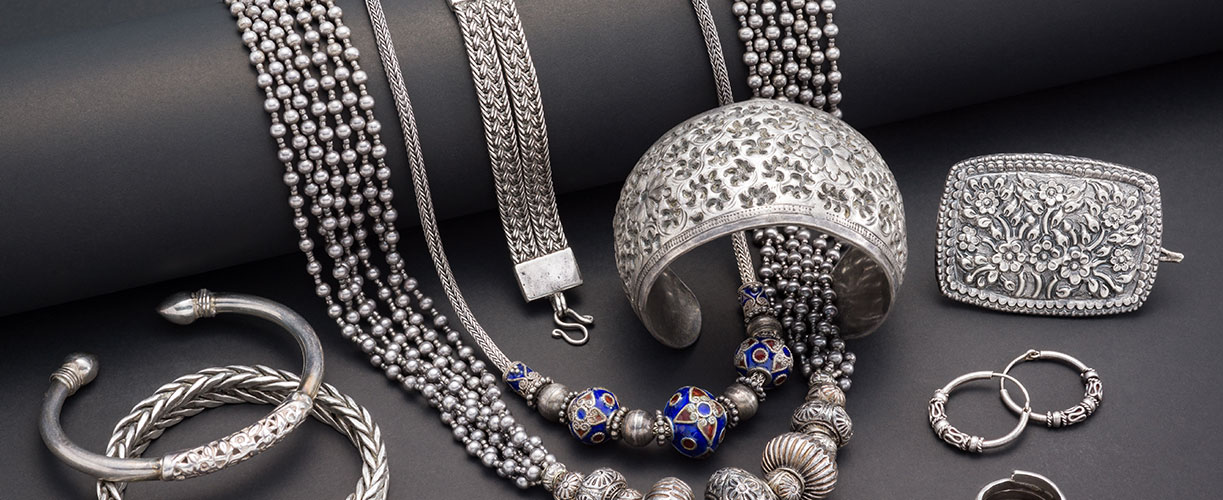
Resist the urge to polish heavily before visiting buyers. Tarnish is usually expected, while aggressive cleaning can soften decorative detail, remove desirable patina, or leave scratches that affect the appeal of antique silver. A gentle dusting with a soft cloth is sufficient. If pieces are marked, photograph the hallmarks, maker’s stamps, weights, and any damage in good light; this creates a useful record and makes comparisons easier.
When contacting local coin shops or specialists in Boca Raton, ask whether they evaluate sterling, coins, hollowware, and estate pieces separately. Reputable professionals offer transparent evaluations, explaining how purity, weight, condition, craftsmanship, rarity, and current market demand shape an offer. Request an appointment if you have a substantial collection, both for careful handling and a secure, private review. Comparing informed assessments from qualified local dealers lets you approach the sale of your silver with realistic expectations and confidence.
Silver Appraisal Preparation Checklist
- Gather flatware, trays, tea services, coins, jewelry, and inherited pieces in one organized location.
- Bring original cases, receipts, certificates, maker details, and family notes that support provenance or pattern identification.
- Avoid heavy polishing; gently dust items with a soft cloth to preserve patina, detail, and antique appeal.
- Photograph hallmarks, maker’s stamps, weights, damage, and distinctive features in clear, well-lit conditions.
- Ask Boca Raton specialists whether they evaluate sterling, silver plate, coins, hollowware, and estate items separately.
- Request transparent explanations of purity, weight, condition, craftsmanship, rarity, and current market demand.
- Schedule a private appointment for substantial collections, then compare informed assessments from qualified local dealers.
Choosing Silver Buyers: Questions to Ask Before You Sell
Finding the right silver buyer is less about chasing the highest headline number and more about understanding how that number is reached. Before selling silver, ask whether the business quotes prices from the current spot market, how it identifies purity and weight, and whether any fees, refining charges, or minimums affect the final payment. A reputable dealer should be comfortable explaining each part of the appraisal without pressure or vague promises.
It is also worth asking what forms of silver the buyer accepts. A business that buys silver may handle sterling flatware, scrap jewelry, bars, rounds, U.S. coins, and collectible pieces differently. Coins with numismatic value should not automatically be priced as melt; request an explanation of whether rarity, condition, and demand are included in the offer. If you are comparing offers, make sure each quote reflects the same item weight and fineness.
Local experience can make the process more straightforward. Established silver buyers such as David Stern Jewelers provide a documented process and a clear point of contact, while a private buyer online may offer less accountability if a valuation changes after shipment. Ask about insurance, shipping instructions, payment timing, and return policies before sending anything away. The same careful questions apply if you also plan to sell my gold items: transparency matters more than a quick pitch. When you are ready to sell your silver, choose a buyer whose offer you can verify and whose process leaves no uncertainty about what you will receive.
Free, no obligation valuation
Find out what your silver is worth today
21073 Powerline Rd, #37, Boca Raton, FL 33433. Monday to Friday 9:30am to 5:30pm, Saturday 10:30am to 4:30pm. Walk in for a free silver evaluation, no appointment needed, or book a time and we will keep it clear for you.
Frequently asked questions
How can I tell whether my item is sterling silver or silver-plated?
Check for marks such as “925,” “.925,” “Sterling,” or “Ster,” which commonly indicate sterling silver. Marks including “EPNS,” “A1,” “Community Plate,” or “silver plate” usually identify plated items. Wear that exposes a yellow, copper, or gray base metal also suggests plating. A local silver buyer can confirm purity through professional testing.
Is silver plate worth selling?
Silver-plated pieces generally contain too little recoverable silver to bring significant scrap value. However, attractive antique, branded, complete, or collectible plated sets may still have resale value. Bring unusual trays, tea services, flatware patterns, and decorative pieces for evaluation rather than discarding them.
How do Boca Raton silver buyers calculate an offer?
Buyers typically use the current silver spot price, the item’s weight, and its purity to estimate recoverable silver content. Sterling is usually 92.5% silver, while bullion, coins, jewelry, and scrap may have different fineness levels. Condition, brand, rarity, and collectible demand may increase value beyond melt value.
Should I clean silver before selling it?
Light dusting with a soft cloth is fine, but avoid heavy polishing, abrasive cleaners, and repairs. Tarnish does not eliminate silver value, while aggressive cleaning can damage antique finishes, hallmarks, decorative detail, or desirable patina. Keep original boxes, receipts, certificates, and maker information with your items.
Are broken silver jewelry and mismatched flatware worth anything?
Yes. Broken chains, single earrings, bent forks, damaged rings, and mismatched sterling flatware may still be valuable as scrap silver if they contain genuine silver. Separate them from signed, antique, or intact pieces that could carry additional jewelry or collectible value.
Do silver coins sell for more than their silver content?
Some do. Recognized bullion coins and bars are often priced close to their metal value, while collectible coins can have added numismatic value based on date, mint mark, rarity, condition, and demand. Have older or unusual coins reviewed separately before accepting a melt-value offer.
What should I ask a silver buyer before selling?
Ask how purity is tested, whether items are weighed in front of you, which spot price is being used, and whether fees or deductions apply. Request an explanation of how bullion, sterling, jewelry, scrap, and collectible coins are priced. Comparing two informed offers can help you sell with confidence.
Visit us
21073 Powerline Rd, #37
Boca Raton, FL 33433
Mon to Fri 9:30 to 5:30
Saturday 10:30 to 4:30
Sunday Closed
Walk in any time for a free silver, gold or diamond evaluation. Book ahead for custom design consults and appraisals.