
How to Sell Your Diamonds in Boca Raton With Confidence
Home / Sell Your Diamonds in Boca Raton
When you’re ready to sell your diamonds in Boca Raton, confidence starts with knowing what you have, what the resale market is paying, and who is evaluating your piece. A clear plan can help you avoid guesswork and make a well-informed decision.
Whether you have a loose stone, an engagement ring, or inherited diamond jewelry, understanding value, documentation, and selling options will help you approach the process with realistic expectations.
⚡ Key takeaways
- Gather grading reports, purchase records and diamond details before seeking offers.
- Resale value reflects current market demand, not the original purchase price or insurance appraisal.
- Carat, cut, colour and clarity matter together; cut strongly influences brilliance and buyer appeal.
- Consider the entire piece: signed designs, quality settings and precious metals may add value.
- Obtain two or three written specialist assessments and ask how each offer was calculated.
- Choose direct sale for certainty, consignment for potential upside, or trade for an upgrade.
How to sell your diamonds with a clear plan
To sell your diamonds well, start with preparation rather than a quick quote. Gather any grading reports, original purchase paperwork and details about the setting, then note the diamond’s carat weight, cut, colour and clarity where available. These records do not create value on their own, but they give a buyer a clearer basis for assessment and help you compare offers properly.
Next, decide what you are selling: a loose stone, an engagement ring, a signed jewellery piece or several items from an estate. Diamond selling is not a single-price exercise. The best route may differ according to the stone’s quality, certificate, brand, condition and current demand. A well-made designer ring, for example, should be evaluated as jewellery as well as for its diamonds.
Seek at least two specialist appraisals, ask how each offer has been calculated, and confirm whether payment is immediate and final. Reputable local buyers will inspect the piece in front of you, explain the factors affecting their valuation and give you time to consider the proposal. With documentation, comparable offers and realistic expectations in place, you can sell with confidence rather than urgency.
What your diamond is worth on the resale market
Your diamond’s worth is set by today’s diamond resale market, not by what it cost new. A specialist assesses the natural stone’s quality, documentation and current demand before arriving at a realistic resale price. Diamond prices move, and the price offered reflects what qualified buyers will pay now.
Carat, color, clarity and cut: the core value factors
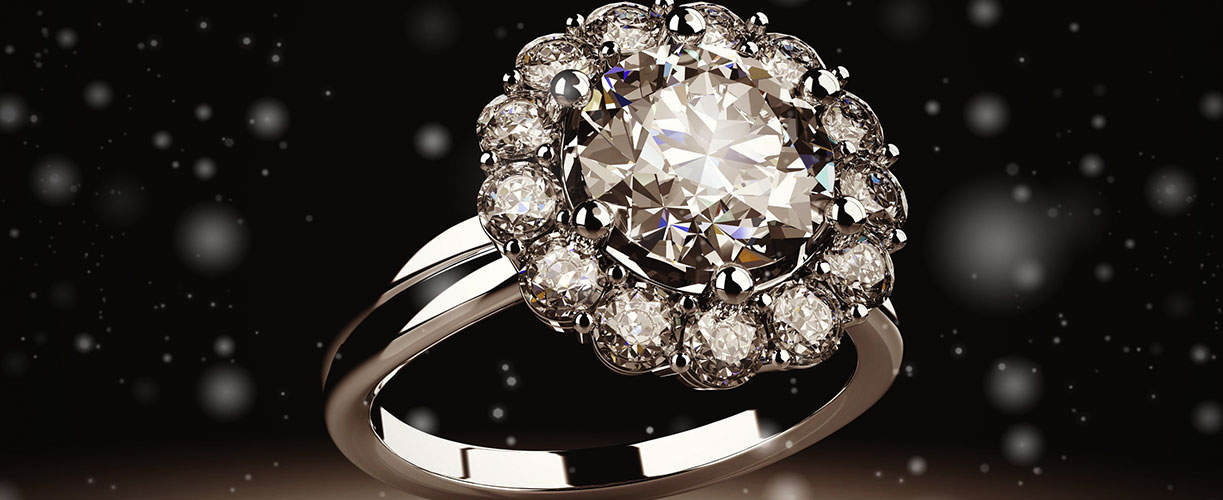
Carat weight provides the starting point, but a larger carat diamond is not automatically more valuable than a smaller, finer stone. Color, clarity and cut determine how rare and visually compelling it is. Diamonds near the colorless range, with minimal inclusions and strong light performance, usually command greater interest.
Cut is particularly influential because it governs brilliance, fire and apparent size. Well-proportioned round diamonds tend to have the broadest buyer base, while other shapes can vary more sharply with fashion and local demand. A buyer also considers how the carat weight falls against important market thresholds, such as one or two carats. The best valuation weighs these characteristics together rather than treating any single grade as decisive.
Why a grading report and retail appraisal can differ from a resale offer
A GIA report is an independent description of a diamond’s measurable characteristics; it is not a promise of a future sale price. It gives buyers confidence in the stated grades and can make a stone easier to compare, but the resale offer still reflects current supply, demand and the buyer’s route to market.
A retail appraisal serves a different purpose. Often prepared for insurance replacement, it may estimate what it would cost to buy a comparable diamond through a jewellery retailer, including presentation, overhead and retail margin. Those costs are not recovered in a resale transaction. A considered offer is therefore based on the diamond’s wholesale desirability today, its report and condition, rather than the higher figure shown on an insurance valuation.
Should you sell loose diamonds or sell diamond jewelry?
The strongest selling route depends on what you have and what holds value. To sell loose diamonds is often straightforward when the stone is certified and marketable on its own. To sell diamond jewelry, consider the complete story: the diamonds, metal, craftsmanship, condition, and desirability of the ring or other jewelry.
How settings, condition and design affect your piece
A well-made setting can add meaningful value, particularly in signed, antique, or finely crafted jewelry. Platinum, substantial gold weight, quality side stones, and an appealing design may make it wiser to present your piece intact. Engagement rings and other well-designed rings with a classic setting can also be easier for a future buyer to envision wearing or resetting.
Conversely, a damaged mounting, heavily worn prongs, outdated styling, or a setting made from low-value metal may contribute little beyond its scrap value. In those cases, the principal diamonds often drive the offer. Condition matters closely: chipped stones, loose settings, repairs, and missing accent diamonds should all be disclosed. A local specialist can assess the diamond and jewelry together, then explain whether the complete piece or its individual components are likely to command the better result.
Where to sell diamonds, from a diamond buyer to online buyers
The right selling venue depends on your diamond, your timeline and how much involvement you want. A knowledgeable diamond buyer may offer speed and local reassurance; online buyers can broaden the market. Pawn and jewelry buying options have a place, but compare their terms carefully before deciding.
Direct sale, consignment and trade: choosing the right route
A direct offer is the cleanest path when you value certainty. A reputable buyer inspects the diamond, explains the valuation and makes a cash offer; if it suits you, payment can follow promptly. The trade-off is that the buyer needs room to resell, so the first figure is not always the most money available.
Consignment can produce a stronger result for distinctive diamonds, signed pieces or fine jewelry with time on its side. The seller retains ownership while the jeweler markets the piece, then takes an agreed commission after a sale. Read the insurance, pricing authority and return terms closely.
A trade may be compelling when you are upgrading: a jeweler can apply the value toward another piece, sometimes with a more favorable allowance than a cash purchase. Obtain two or three written assessments. When diamond buyers know they compete for your stone, their offers tend to become clearer, and more realistic.
Direct Sale, Consignment and Trade: Quick Comparison
| Selling route | Best suited to | Main advantage | Main trade-off | Terms to review |
|---|---|---|---|---|
| Direct sale | Sellers who value certainty and prompt payment | A reputable buyer can inspect the diamond, explain the valuation and make a cash offer | The first offer may not be the highest amount available because the buyer needs room to resell | Obtain two or three written assessments and compare buyer offers |
| Consignment | Distinctive diamonds, signed pieces or fine jewelry when time is available | May produce a stronger result while the seller retains ownership until the sale | The jeweler markets the piece and takes an agreed commission after it sells | Insurance, pricing authority, return terms and commission |
| Trade | Sellers upgrading to another piece of jewelry | A jeweler may apply the value toward another piece with a more favorable allowance than a cash purchase | Value is applied toward a replacement piece rather than received as cash | Written assessments and the allowance offered toward the new piece |
Prepare diamond jewelry before an evaluation
Before you seek an offer, give diamond jewelry a calm, practical review. Gather pieces you no longer wear, separate them from your gold, and decide whether you want to convert your old settings, loose stones or unwanted diamonds. Clear preparation protects the details that influence an informed evaluation from the outset.
Keep reports, photographs and stones correctly identified
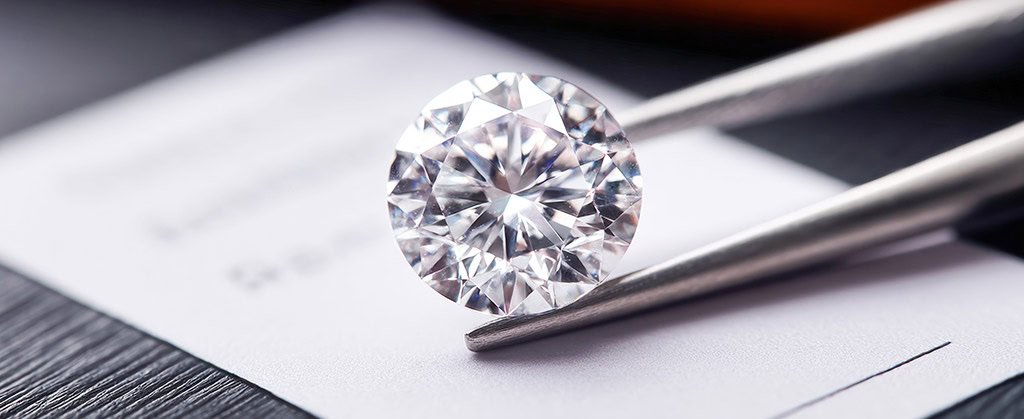
Bring any laboratory report that accompanied your diamond, even if it is older or the setting has since been altered. A report can help establish the stone’s documented characteristics and allow the evaluator to begin the process with useful reference information. Keep each report with its corresponding ring, pendant or loose stone; when several pieces look alike, label them discreetly before your appointment.
Photographs are also worthwhile, particularly for inherited jewelry or pieces that have been repaired, reset or appraised previously. Take clear images of the full item, any hallmarks, inscriptions and distinctive features. Avoid removing a stone from its setting or attempting home tests to identify it. Instead, note which piece is your diamond and share what you know about its history. Careful identification prevents avoidable confusion and supports a more precise evaluation.
Prepare Your Diamond Records
- Bring any laboratory report, including older documents or reports issued before a setting was changed.
- Keep each report paired with its matching ring, pendant, earring or loose diamond.
- Discreetly label similar-looking pieces before the appointment to prevent mix-ups during evaluation.
- Photograph the complete item, hallmarks, inscriptions and distinctive details in clear lighting.
- Include previous appraisal, repair or reset photographs, especially for inherited jewelry.
- Do not remove diamonds from settings or perform home identification tests.
- Share the piece’s known history and clearly identify which item contains your diamond.
Compare cash offers to seek the most money fairly
A careful comparison is the soundest route to a fair cash offer. In diamond resale, the highest figure is meaningful only when it reflects the stone’s quality, current demand, and any fees deducted from payment. Obtain more than one written assessment, then compare the terms as closely as the headline amount.
Questions to ask before you sell them
Before you sell them, ask each diamond buyer how they arrived at the valuation. A credible professional should explain which characteristics influenced the price: carat weight, cut, colour, clarity, condition, certification, and whether the diamond is set in jewellery. Ask whether the quoted amount is a firm direct offer or an estimate subject to further inspection.
Clarify the practical terms of the sale as well. Is there a commission, appraisal charge, shipping cost, or deduction for removing the stone from its setting? When will payment be made, and is the buyer insured while the diamond is in their care? It is also worth asking whether you may take the offer away to consider it. A reputable local buyer will respect that decision and provide a clear record of the agreed price before you commit.
Questions for Diamond Buyers
- Which diamond characteristics most influenced your valuation, including carat, cut, colour, clarity, condition, and certification?
- Is this a firm direct offer or an estimate that may change after further inspection?
- Are there any commissions, appraisal fees, shipping charges, or deductions for removing a stone from its setting?
- When will payment be made, and which payment method will you use?
- Is the diamond insured while it is being inspected, transported, or held in your care?
- May I take the offer away to compare options and consider my decision?
- Will you provide a written record confirming the agreed price and sale terms before I commit?
Safe diamond selling, from appointment to payment
Diamond selling should feel measured, private and clear at every stage. Start by arranging an appointment with an established local buyer, ideally one who explains how stones are assessed and welcomes supporting paperwork, such as a grading report, original receipt or insurance valuation. Bring the diamond securely, and ask in advance whether the appraisal can be completed while you wait.
At the appointment, a qualified specialist should inspect the stone’s cut, colour, clarity, carat weight and condition, alongside current demand for its shape and quality. If the diamond is set in jewellery, the setting and any accompanying precious metal may be valued separately. A credible buyer will discuss the offer in plain language, without pressure to accept on the spot.
Before agreeing to a sale, confirm the full process: identification requirements, any fees, how the piece will be documented and when funds will arrive. For higher-value diamonds, a bank transfer is generally the most secure payment method; cash may suit smaller transactions where permitted, but should be counted and receipted before you leave. Keep copies of the final offer, sales documentation and payment confirmation. The right buyer makes a significant sale feel discreet, informed and entirely within your control.
Selling diamonds in Boca Raton with local confidence
When you sell your diamonds, the right setting matters as much as the offer. A knowledgeable local diamond buyer can examine quality in person, explain the valuation clearly, and make the process feel considered rather than transactional. Boca Raton diamond buyers should bring discretion, expertise, and a well-established reputation to every appointment.
How to vet a local buyer before the appointment
Begin with the buyer’s track record in fine jewelry buying, not simply their advertising claims. Look for a longstanding Boca Raton presence, independently verifiable reviews, and clear information about the types of diamonds and estate jewelry they evaluate. A reputable firm should be willing to discuss its appraisal process before you visit, including whether it considers cut, color, clarity, carat weight, condition, certification, and current market demand.
Ask who will assess your piece and whether that person has gemological training or substantial experience with diamonds. The appointment should never feel rushed or opaque. An established buyer will inspect the diamond in front of you, answer direct questions about the offer, and distinguish the stone’s value from its mounting when relevant. Before you sell, compare more than one informed opinion if the diamond is significant. The strongest local relationship is built on candor, careful evaluation, and terms you understand completely.
Selling inherited, estate or unwanted diamond jewelry
Inherited pieces often carry a mix of sentiment, uncertainty and practical questions. Whether you have a single heirloom ring, estate rings and other pieces, an estate collection or unwanted diamonds from jewelry you no longer wear, a careful appraisal gives you a clear starting point. The value of diamond jewelry depends on more than the center stone: diamond quality, setting, metal, maker, condition and current demand can all affect an offer.
A reputable local buyer should examine each item individually and explain what they see in straightforward terms. Bring complete pieces when possible, including matching earrings, bracelets, necklaces and rings, along with any original certificates, receipts or designer packaging. Documentation can be useful, but its absence should not prevent you from seeking an evaluation.
For estate jewelry, there is rarely a need to rush. Separate items you may wish to keep from those you are ready to sell, then compare the value of selling as a complete piece against the value of its diamonds and precious metal. When you decide to sell diamond jewelry, an informed, no-pressure consultation can turn a difficult decision into a confident one.
Free, no obligation appraisal
Find out what your diamond is worth today
21073 Powerline Rd, #37, Boca Raton, FL 33433. Monday to Friday 9:30am to 5:30pm, Saturday 10:30am to 4:30pm. Walk in for a free diamond evaluation, no appointment needed, or book a time and we will keep it clear for you.
Frequently asked questions
How much can I sell my diamond for?
A diamond’s resale value depends on its carat weight, cut, colour, clarity, condition, grading report and current market demand. It will usually be lower than its original retail or insurance appraisal value because resale buyers must account for their selling costs and margin. Compare at least two specialist offers.
Is a GIA certificate needed to sell a diamond?
A GIA grading report is not essential, but it can make a diamond easier to assess and compare. It confirms key quality characteristics and may increase buyer confidence. Diamonds without reports can still be sold, although a buyer may need to grade the stone during inspection.
Should I remove a diamond from its ring before selling?
Usually, no. Have the complete ring assessed first. A signed, antique, designer or well-crafted setting may add value beyond the centre diamond, especially if it includes platinum, gold or quality side stones. Removal may be considered only if the setting is damaged or has little market appeal.
Why is my resale offer lower than my insurance appraisal?
Insurance appraisals commonly estimate the cost of replacing an item through a retailer. That figure can include retail overhead, presentation and replacement costs. A resale offer reflects what the diamond or jewellery can sell for in the current market, rather than its retail replacement price.
Where is the best place to sell diamonds?
The best route depends on the item and your priorities. A local specialist diamond buyer may provide a prompt, direct offer and in-person inspection. Consignment can suit distinctive jewellery when you have time to wait, while a trade-in may offer stronger value if you are buying another piece.
What should I bring when selling diamond jewellery?
Bring grading reports, purchase records, prior appraisals, repair history and any branded packaging or certificates. These documents help identify the piece and support an accurate assessment, although they do not guarantee a particular price. Disclose chips, repairs, missing stones or other condition issues.
How can I compare diamond buyers safely?
Request two or three written assessments, ask how each valuation was reached and confirm the payment terms. Choose buyers who inspect the item openly, explain the effect of quality and condition, and allow time to consider the offer. Review consignment commissions, insurance and return terms before leaving jewellery with anyone.
Visit us
21073 Powerline Rd, #37
Boca Raton, FL 33433
Mon to Fri 9:30 to 5:30
Saturday 10:30 to 4:30
Sunday Closed
Walk in any time for a free diamond or gold evaluation. Book ahead for appraisals and custom design consults.