
Jewelry Care
Home / Jewelry Care
How to Clean Jewelry at Home Without Damaging It
Jewelry care is about more than keeping a piece beautiful. It is about preserving the memories, the value and the craftsmanship behind each piece. Whether you collect fine jewelry, look after a family heirloom, or simply love the elegance of silver and diamonds, proper care is what keeps the sparkle there.
David Stern Jewelers has handled jewelry care in Boca Raton for over forty years. Professional cleaning at our showroom is complimentary, and every cleaning includes an inspection of settings and stones so small problems are caught before they become expensive ones. Below is what we tell clients to do between visits.
Care by material
What each metal and stone actually needs
There is no single jewelry cleaning routine: the method that keeps a diamond bright will strip a pearl and scratch soft gold. These are the six groups we get asked about most, and the short version of what to do with each one at home.
Diamond jewelry
Warm water, mild dish soap, nothing more
Mix warm water with a mild dish soap that is free of moisturizers, then soak your pieces for 10 to 15 minutes. Clean gently with a soft bristled toothbrush, paying attention to the underside of the stones where dirt and skin oils collect.
Rinse thoroughly with clean water and pat dry with a lint free cloth. This is the whole of jewelry cleaning for a diamond. Done every few weeks, this routine keeps the diamonds bright between professional cleanings.
Gold jewelry
The same gentle soap, and no scrubbing
Gold takes the same mild soap solution as diamonds, but the metal is soft enough that hard scrubbing leaves micro scratches across the surface. Let the soap do the work and use light pressure only.
Dry gold thoroughly before it goes away. Water left sitting on the surface leaves spots that dull the luster over time.
Silver and sterling
Polish with the grain, store in anti tarnish bags
A specialized silver cleaning cloth handles regular maintenance. If tarnish has already developed, use a quality silver cleaner and always polish in the direction of the metal’s grain rather than in circles.
Store sterling in anti tarnish cloths or bags when it is not being worn. Limiting the air around each piece is the simplest way to slow oxidation.
Platinum
Durable, but not chemical proof
Platinum is the most durable of the precious metals and holds up well to daily wear, which is why it is a favorite for engagement rings and everyday bands.
It still needs protecting from household chemicals and from chlorine, both of which can damage the metal. Take platinum off before cleaning or swimming.
Pearls and delicate gems
Never soak, always wipe
Pearls and softer gemstones should never be soaked. Water weakens pearl stringing and can damage certain stones, so wipe each piece with a soft, slightly damp cloth after every wearing instead.
Turquoise is porous and should never be soaked or cleaned ultrasonically, and it reacts badly to lotion and sunscreen. Store delicate pieces away from harder stones so nothing gets scratched.
Storage
One piece, one compartment
Storage is the half of jewelry care that happens while you are not wearing anything. Store each piece separately so nothing scratches or tangles. Use fabric lined boxes or cases, keep chains clasped so they cannot knot, and thread necklaces through a straw or wrap them in plastic when you travel.
Watches belong in a secure compartment and, like jewelry, benefit from regular servicing to stay in good condition.
Quick reference
Jewelry cleaning dos and don’ts
Pin this jewelry cleaning list somewhere near where you keep your pieces. Almost every piece that comes to us damaged was damaged by something on the right hand column.
Do
Clean with warm water and a mild dish soap free of moisturizers
Use a soft bristled brush and a lint free cloth to dry
Apply lotion, perfume and sunscreen before putting jewelry on
Store each piece separately in a lined box or soft pouch
Bring pieces in every 6 to 12 months for cleaning and inspection
Never
Never use harsh chemicals, bleach or abrasive cleaners
Avoid ultrasonic cleaners without professional guidance
Stay away from hot water, which can loosen settings
Do not use paper towels or tissues, which scratch surfaces
Never expose jewelry to household ammonia or chlorine
Avoid wearing jewelry in swimming pools or hot tubs
Remove jewelry before applying sunscreen or lotion
Jewelry and Water
Water looks harmless and is not. Chlorinated pool and hot tub water weakens gold and other alloys, salt water corrodes silver and tarnishes sterling, and even frequent hand washing with rings on will dull a finish or loosen a setting over time.
Take your pieces off before swimming, soaking or a day at the beach — in Florida this is the single biggest jewelry care habit worth forming. If jewelry does get wet, pat it dry with a lint free cloth so no water spots or mineral deposits are left behind, and never leave it sitting somewhere damp.
Jewelry and Cosmetics
Lotions, perfume, hair products and sunscreen leave residues that dull diamonds and gold. Worse, they build up inside the settings of rings and earrings, where they make otherwise bright stones look cloudy.
Apply everything first, let it absorb, then put your jewelry on. At the end of the day wipe each piece with a soft cloth, and once in a while work the hard to reach areas with a soft toothbrush and mild soap before rinsing and drying.
In the workshop
What professional jewelry cleaning actually involves
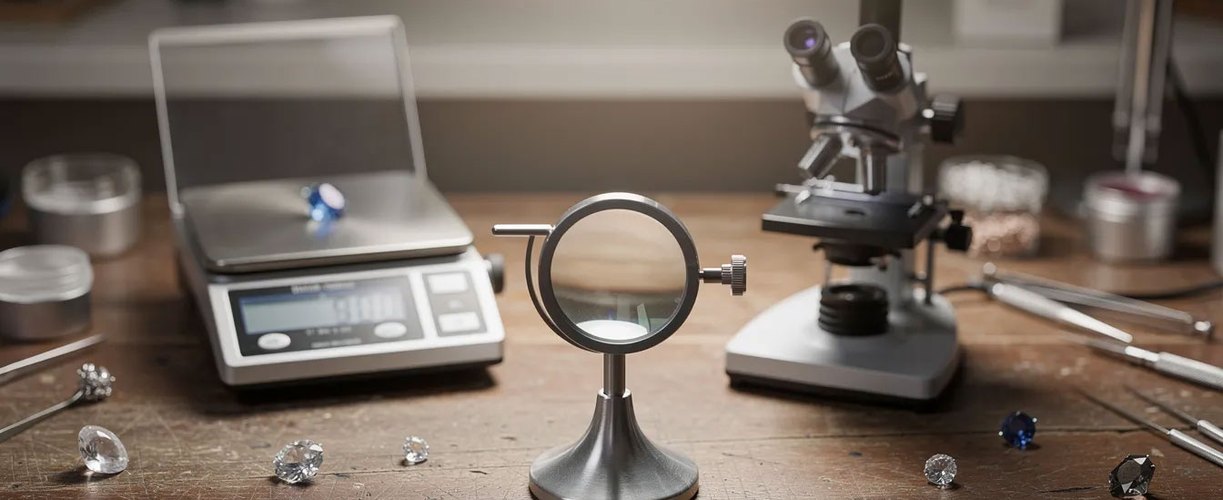
Home cleaning removes what sits on the surface. Professional jewelry cleaning gets at what does not: the compacted film of lotion, soap and skin oil packed underneath a setting, where no brush reaches and where it quietly kills the light coming back out of a stone. A diamond that looks clean face up is often carrying years of it on the pavilion.
The sequence here is ultrasonic, then steam, then a bench inspection under magnification. The ultrasonic loosens the deposit, the steam blows it clear, and the jeweler then checks prong tips, bezel edges, clasp springs and stringing while the piece is on the bench. That inspection is the part that matters most — it catches a worn prong months before the stone falls out of it.
Rings worn daily
Jewelry care for the ring you never take off
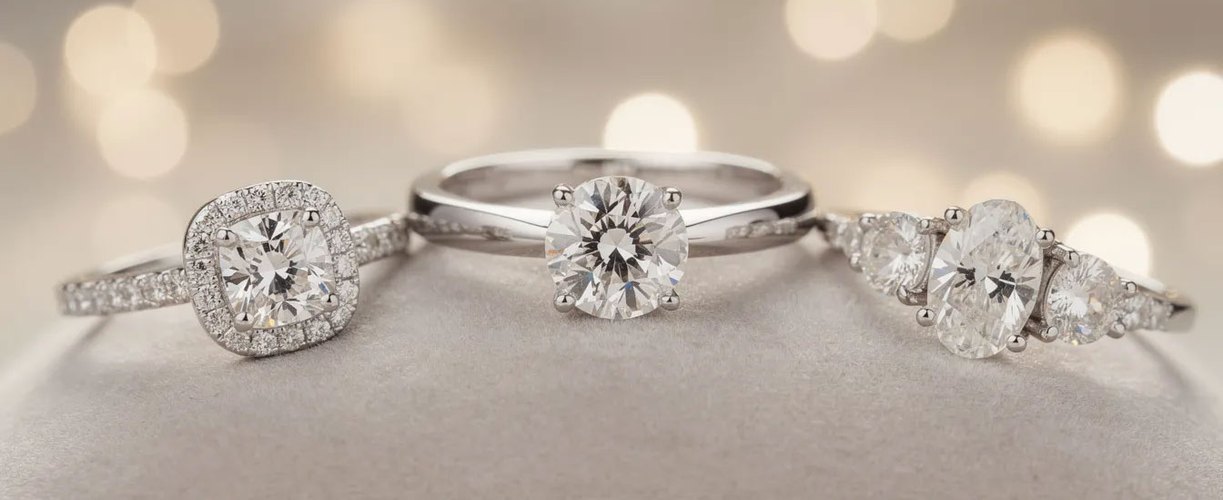
An engagement ring takes more abuse than the rest of a collection combined, because it is the one piece that never comes off. Hand sanitizer, dish soap, gym bars, car doors and sunscreen all work on it daily. Jewelry care for a ring worn around the clock is mostly a matter of two habits: rinse it weekly, and have the prongs checked twice a year.
Watch for the specific warning signs. A stone that moves or clicks when you tap the ring near your ear has a loose setting. A prong tip that catches on knitwear has worn thin. A band that has gone visibly oval needs reshaping before it cracks. Any of the three means stop wearing it and bring it in — all are cheap to fix early and expensive to fix after a stone is gone.
Jewelry and exercise
Sweat is mildly acidic and, over years, it etches silver and dulls the polish on gold. Worse is the mechanical damage: a barbell or a kettlebell handle will flatten a ring band and bend a prong in a single session, and a chain caught on a machine can snap. Rings and bracelets should come off before you train.
If a piece stays on, rinse it in warm water afterwards rather than letting the salt dry on it. Silicone bands exist precisely for this and cost almost nothing. Any jewelry cleaning routine works better when there is less to clean off in the first place.
Traveling with jewelry
Never pack jewelry in checked luggage. It goes in your carry-on, in a roll or a case with separate compartments, with chains clasped so they cannot knot. Photograph each piece before you leave; if something goes missing, a clear photo and a current appraisal are what an insurer will ask for first.
Hotel safes are better than a drawer and are not secure. For genuinely valuable pieces, leave them at home. Salt water, chlorine and sunscreen are all waiting at the other end of the trip anyway, which makes a vacation the single worst environment for good jewelry.
Complimentary in store
Free professional jewelry cleaning and inspection, every visit
21073 Powerline Rd, #37, Boca Raton, FL 33433. Bring your pieces in every 6 to 12 months for professional jewelry cleaning and our jewelers will clean them with professional equipment, check the settings and stones, assess wear, and tell you exactly what your pieces need next. No charge, and the work is done in house.
Insurance and appraisals
Protecting Your Investment
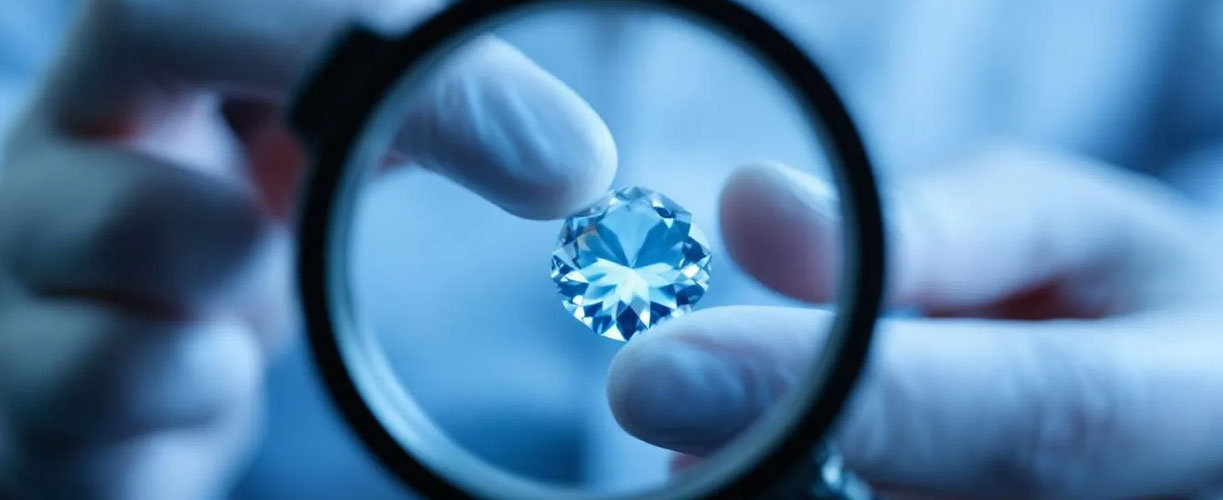
Jewelry care keeps a collection beautiful. An appraisal keeps it covered. A professional appraisal documents what your jewelry is actually worth, which is what insuring heirlooms, vintage pieces and modern treasures properly depends on. Our appraisers provide detailed documentation you can use for insurance, estate planning or resale.
Update your appraisals every few years, and sooner if you add pieces or if metal and gemstone markets move. Keep documentation, receipts and photographs somewhere safe, work with a reputable insurer, and pair that with regular cleaning and inspection. Between the two, nothing about your collection is left to chance.
Local service
Jewelry care in Boca Raton, at the same bench

Nothing is shipped out. Jewelry care in Boca Raton here means the cleaning, the inspection and any repair that follows all happen in the workshop behind the counter, usually while you wait. Pieces that leave a store for an off-site depot are the ones that come back late, come back wrong, or occasionally do not come back at all.
Cleaning and inspection are complimentary and there is no purchase requirement — bring in a ring you bought somewhere else thirty years ago and it gets the same treatment. Clients drive in from Delray Beach, Boynton Beach and Deerfield Beach for it. If the inspection turns up a problem you get a quote before anything is touched, and appraisal work is billed separately so the two never influence each other.
Common Questions About Jewelry Care
If your jewelry care question is not answered here, call the showroom. Between cleaning, inspection and repair we see these situations every week.
How should I clean my fine jewelry?
Gently clean most fine jewelry with a soft brush, mild soap and warm water. Rinse thoroughly and pat dry with a soft, lint free cloth. Porous gems such as turquoise should never be soaked or cleaned with harsh methods, so bring those pieces to us in Boca Raton for professional cleaning instead.
Where should I store my jewelry to prevent damage?
Store each piece separately in a soft pouch or lined compartment so nothing scratches or tangles. Keep necklaces apart from other pieces and thread them through a straw or wrap them in plastic when traveling. Keep everything away from extreme temperatures, humidity and direct sunlight, and store sterling silver in anti tarnish cloths or bags.
How often should my jewelry be professionally inspected and cleaned?
At least once a year, and ideally every 6 to 12 months. A professional jeweler can spot loose prongs, worn settings and loose stones long before they become a lost stone, and our cleaning service at the Boca Raton showroom is complimentary.
Can I wear my diamond jewelry every day?
Diamonds are durable, but daily wear exposes them to dirt, oils and impacts. Take diamond jewelry off for heavy lifting, gardening, swimming in chlorinated water, and before applying lotions, perfumes or sunscreen, all of which dull the shine or damage settings.
What should I do if my jewelry needs repair?
Bring it to our Boca Raton showroom. Our jewelers handle everything from resizing rings and tightening prongs to intricate restorations, and the work is done in house so your piece never leaves the store.
How do I clean jewelry at home safely?
Warm water, a mild dish soap with no moisturizers in it, a soft toothbrush and a lint-free cloth. That is the whole kit. Soak for ten to fifteen minutes, brush gently behind the stone as well as on top, rinse well and pat dry. Knowing how to clean jewelry at home is mostly knowing when to stop — no heat, no bleach, no abrasives.
Is jewelry cleaning at home enough, or do I still need it done professionally?
Both, at different intervals. Home jewelry cleaning handles surface film week to week; professional jewelry cleaning removes the compacted residue underneath a setting that a brush cannot reach, and comes with a bench inspection. Every six to twelve months is the right rhythm for the professional visit.
What does professional jewelry cleaning cost here?
Nothing. Cleaning and inspection are complimentary at our Boca Raton showroom, with no purchase requirement and no appointment needed. If the inspection finds something that needs repair you get a written quote first, and nothing is done without your say-so.
Are ultrasonic cleaners safe to use at home?
Not without knowing what is in the piece. An ultrasonic will shake loose an already-weakened prong, destroy pearls, opals, turquoise and emeralds, and damage any stone that has been fracture-filled or treated. Diamonds in sound platinum or gold settings are usually fine. If you are unsure, that is exactly what the free inspection is for.
How often should I have jewelry checked in Boca Raton?
Every six months for anything worn daily, every twelve for occasional pieces. Florida makes the case stronger than most places: salt air, chlorine, sunscreen and humidity all work against settings year round, so jewelry care in Boca Raton runs on a tighter schedule than it would further north.
Can I clean pearls the same way as diamonds?
No, and this is the mistake we see most. Pearls must never be soaked — water travels up the drill hole and rots the silk thread they are strung on, and the nacre itself is soft enough to be dulled by soap. Wipe each pearl with a damp cloth after wearing, and have a strand restrung every year or two if you wear it often.
What household products damage jewelry fastest?
Chlorine bleach and pool chlorine head the list: both attack the alloys in gold and will eventually cause a band to crack. After that come ammonia-based glass cleaners, abrasive scouring products, hairspray and self-tanner. Take rings off before cleaning the house, not after.
Will cleaning remove scratches from my gold?
No. Jewelry cleaning removes dirt; scratches need polishing, which removes a thin layer of metal. That is fine occasionally and not something to do every year, because an over-polished ring loses its hallmark crispness and eventually thins the band. We will tell you honestly which one a piece actually needs.
Do you clean jewelry you did not sell?
Yes, always, and there is no charge for it. A good deal of what crosses this bench was bought elsewhere or inherited. Bring it in whatever state it is in — nothing is too far gone to look at, and the assessment is free either way.
Visit us
21073 Powerline Rd, #37
Boca Raton, FL 33433
Mon to Fri — 9:30 to 5:30
Saturday — 10:30 to 4:30
Sunday — Closed
Walk in any time for complimentary professional jewelry cleaning and inspection, or call ahead if you would like a jeweler set aside for repair work.