
Getting top dollar for your estate jewelry starts with knowing which pieces are worth more than their gold. A Victorian brooch, a signed Cartier bracelet or a ring set with an old European cut diamond can sell for several times its metal value, while an ordinary chain from the same drawer is worth its gold and no more. Mixing the two, and selling everything by weight, is the most common way families lose money on an estate.
This guide shows you how to identify antique jewelry, how the major antique jewelry eras affect value, why signed jewelry value can far exceed melt, and what makes an old European cut diamond special, so you can sort an estate before anyone quotes you a price.
Top Dollar for Your Estate Jewelry Starts With Sorting
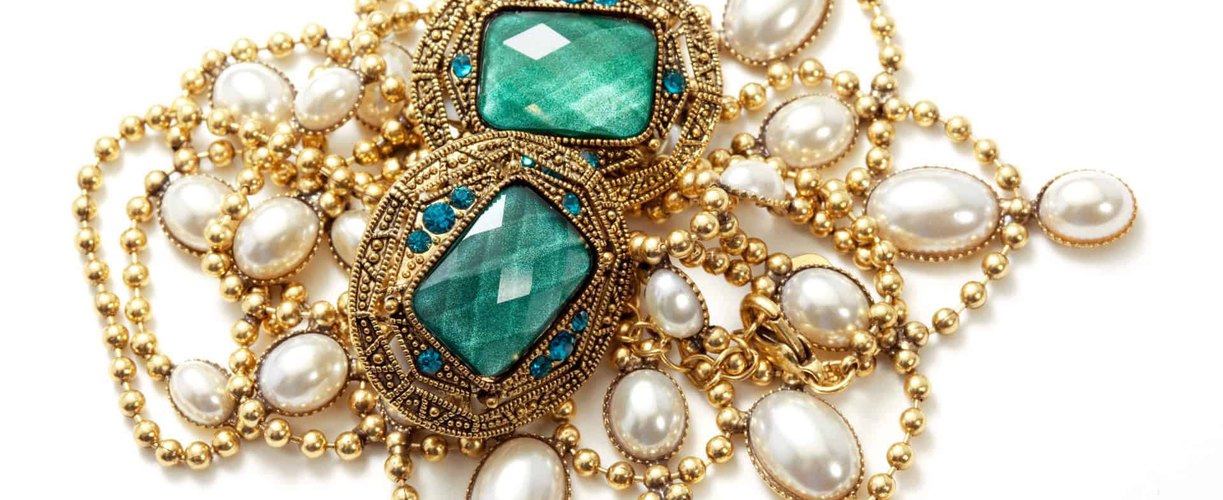
Almost every estate we see contains three kinds of pieces, and each one should be priced a different way:
| Type of piece | How it should be valued | Example |
|---|---|---|
| Scrap and everyday gold | By gold weight and karat | Broken chains, single earrings, plain bands |
| Stones with value | Stones priced separately from metal | A diamond solitaire, a sapphire ring |
| Collectible jewelry | As jewelry, by era, maker and condition | Art Deco platinum ring, signed bracelet |
The first group is straightforward. The second needs a gemologist. The third is where the money is, and where a gold buyer who only weighs metal will leave the most on the table. Getting top dollar for your estate jewelry means making sure the third group never goes on the scale.
How to Identify Antique Jewelry
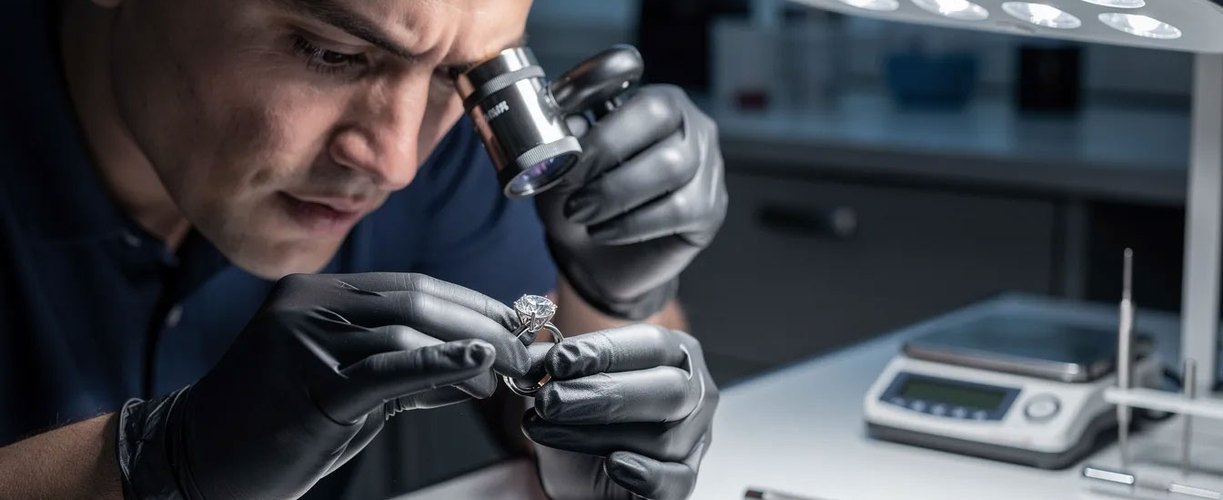
You do not need to be an expert to spot pieces that deserve a closer look. These clues help you identify antique jewelry at the kitchen table:
- Clasps and fittings. A simple C-clasp on a brooch, with no safety catch, points to the 1800s or early 1900s. Screw-back earrings are common from the early and mid twentieth century.
- Metal. Platinum with fine openwork and milgrain edges suggests the Edwardian or Art Deco period. Rose gold in bold, chunky shapes suggests the 1940s.
- Stone cuts. Diamonds that look chunky, with a visible dot in the center when viewed from the top, may be old cuts rather than modern brilliants.
- Closed-back settings. Stones set in a metal cup with no opening behind them are typical of Georgian and early Victorian work.
- Hand finishing. Slight irregularities, hand engraving and hand-cut details usually mean older work; perfectly uniform castings usually mean modern production.
- Marks. Look inside bands and on clasps for karat stamps, maker’s marks and, on British pieces, full hallmarks that include a date letter.
None of these clues proves age on its own, and reproductions exist. But if a piece shows two or three of them, put it in the collectible pile. Learning to identify antique jewelry this way takes minutes and can change the price of an estate substantially.
Antique Jewelry Eras and What They Are Worth
Each of the major antique jewelry eras has its own look, materials and collector following. Knowing them helps you understand why two gold brooches of the same weight can differ in value tenfold.
| Era | Approximate dates | Look for |
|---|---|---|
| Georgian | 1714 to 1837 | Closed-back settings, foiled stones, rose-cut diamonds; rare and highly collected |
| Victorian | 1837 to 1901 | Lockets, mourning jewelry, cameos, seed pearls, C-clasps |
| Art Nouveau | About 1890 to 1910 | Flowing natural forms, enamel, women and insects in the design |
| Edwardian | 1901 to 1915 | Platinum lace-like work, garlands, milgrain, old European cut diamonds |
| Art Deco | About 1920 to 1935 | Geometric platinum, caliber-cut sapphires and emeralds, filigree |
| Retro | About 1935 to 1950 | Bold rose and yellow gold, big cocktail rings, bows and scrolls |
| Mid-century | 1950s and 1960s | Textured gold, clusters of diamonds and colored stones |
Across antique jewelry eras, the most sought-after pieces are usually Georgian, Edwardian and Art Deco, particularly in platinum with original diamonds. Victorian mourning jewelry and fine cameos have strong collector markets too. Condition matters in every period: original stones, intact enamel and unrepaired settings command the best prices.
If you are unsure which of the antique jewelry eras a piece belongs to, a jeweler who handles estate pieces can usually date it in a few minutes.
Signed Jewelry Value
A maker’s signature can transform a piece’s price. Signed jewelry value comes from the brand’s reputation, the quality of its workmanship and collector demand. Names that consistently carry a premium include Cartier, Tiffany & Co., Van Cleef & Arpels, Bulgari, Harry Winston, David Webb and Buccellati, along with more recent designers such as David Yurman.
Signatures are usually stamped on the back of a piece, inside a band or on a clasp, often with a serial number. Look carefully before anything is weighed, because a signed bracelet sold for its gold loses most of its value in one step.
Be aware that fake signatures exist. Genuine signed jewelry value depends on the signature matching the construction: the right metal, the right weight, precise stone setting and the finishing a major house would never skip. A signature on a lightweight, poorly made piece is a warning sign, not a bonus. Original boxes, certificates and receipts all help support signed jewelry value when you sell.
The Old European Cut Diamond
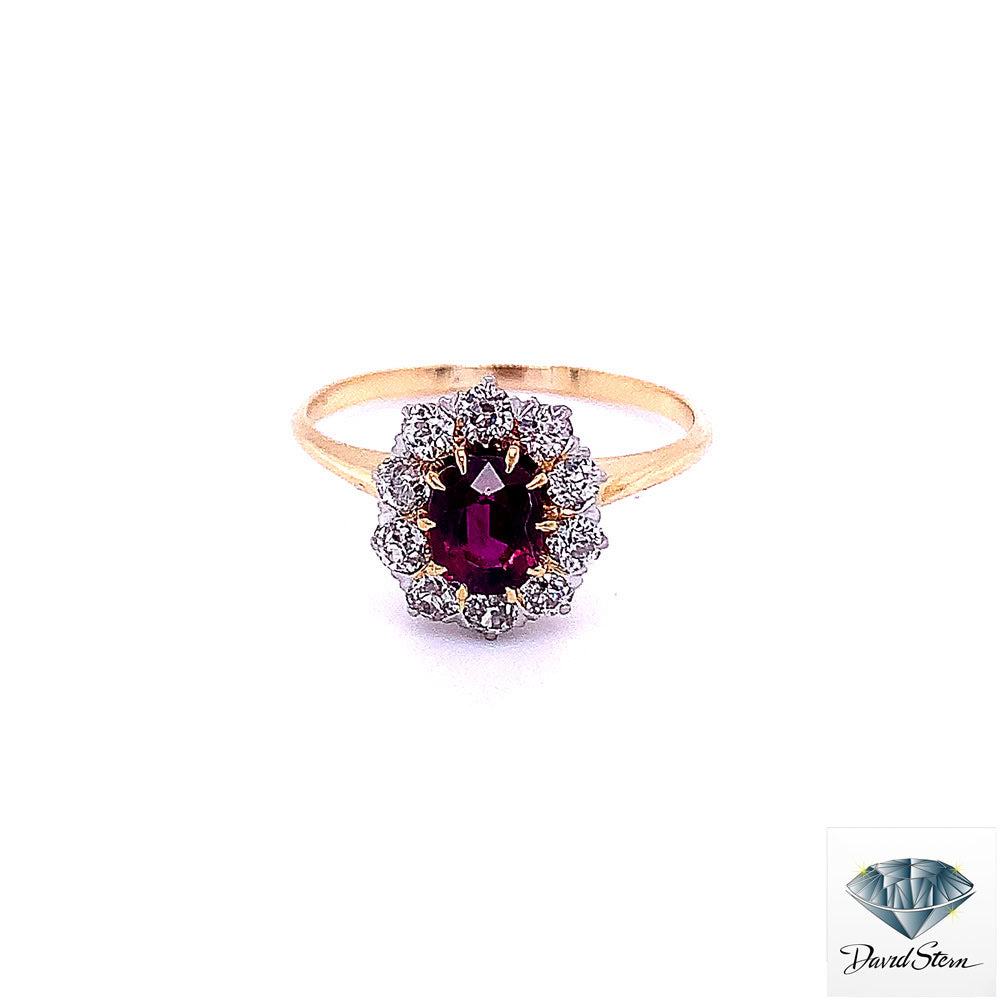
Many estate pieces contain diamonds cut before the modern round brilliant became standard. The most common is the old European cut diamond, made from roughly the 1890s to the 1930s. It has a round outline, a small table, a tall crown and a large open culet, which shows as a small circle in the center of the stone when you look from above.
Older still is the old mine cut, with a cushion-shaped outline, used through the 1700s and 1800s. Both were cut by hand to save weight from the rough rather than to maximize brightness, so they have a softer, chunkier sparkle than modern stones.
That character is now in demand. Buyers of vintage engagement rings actively look for an old European cut diamond, and many will pay more for one than for a modern stone of similar grade. Recutting an old stone into a modern shape loses weight and removes exactly what makes it collectible, so it is rarely the right choice. Modern grading labs grade old cuts on the same color and clarity scales as modern stones.
Costume or Fine? Telling Them Apart
Estates often mix fine jewelry with costume pieces, and the two can look surprisingly alike. Fine jewelry is gold, platinum or silver set with real stones; costume jewelry is base metal, often plated, with glass or crystal.
- Stamps. Fine pieces usually carry a karat or platinum mark. Marks such as GP, GF, HGE or RGP mean gold-plated or gold-filled.
- Weight. Gold and platinum feel heavy for their size; plated base metal feels light.
- Wear. Plating wears through at edges and clasps, showing a different metal underneath.
- Magnet. Gold, platinum and silver are not magnetic. A strong pull means base metal, though clasps can contain steel springs.
Do not dismiss costume pieces entirely. Signed costume jewelry from makers such as Miriam Haskell, Trifari, Eisenberg and Chanel has a real collector market, so signed jewelry value applies to them too, even though the metal is worth little.
Pearls, Cameos and Other Estate Favorites
Some of the most common estate pieces are also the most misunderstood. Pearl necklaces are a good example: almost all pearls today are cultured, but natural pearls, found in some pieces made before the 1920s, can be worth many times more. Only a laboratory report can confirm a natural pearl, so an old strand is worth checking before it is sold.
Cameos range from inexpensive molded pieces to finely carved shell and hardstone work in gold frames. The quality of the carving and the frame decides value. Coral, jade and enamel pieces also vary widely, and all of them are easily damaged by cleaning, which is one more reason to leave estate pieces as they are until an expert has seen them.
Watches in an Estate
Watches deserve their own pile. A vintage gold dress watch may be worth only its gold, while a luxury or collectible watch from a major brand can be worth many times more as a working timepiece. Keep any boxes, papers and extra links, do not open the case or try to repair it, and have it valued as a watch before anyone considers the metal.
Why Metal Value and Stone Value Are Moving Differently
An estate sold today meets two very different markets. Gold trades near $4,250 an ounce as of September 2026, roughly double its price in early 2024, so the metal in plain pieces is worth more than ever.
Diamonds have gone the other way. Natural diamond prices have softened since 2022 as lab-grown diamonds took a large share of the market, especially for everyday sizes and grades. Well-cut large stones, fancy colors and antique cuts have held their appeal better than ordinary modern stones. GIA’s guide to diamond quality explains the grades that drive those differences.
For you, that means a plain gold piece may be worth more than you expect, and an ordinary modern diamond ring may be worth less. Getting top dollar for your estate jewelry depends on pricing each part correctly rather than assuming last decade’s values.
Selling, Keeping or Appraising: Choosing the Right Step
Not every estate piece should be sold straight away. Pieces with family meaning can be kept, redesigned or passed down, and pieces with real collector value may be worth insuring properly first.
If the estate is still being settled, the executor may need a formal valuation for probate or tax purposes before anything is sold. Our probate jewelry appraisals provide that, and a written estate jewelry appraisal is also the right first step if relatives disagree about what a piece is worth.
Once you know what you have, you can decide piece by piece: sell the scrap for its gold, price the stones properly, and give collectible jewelry the chance to sell as jewelry.
Redesigning Estate Pieces You Want to Keep
Selling is not the only way to get value from an estate. A grandmother’s old European cut diamond can become the center stone of a new engagement ring, and a handful of small stones from several inherited pieces can be combined into one pendant that carries the whole family.
Redesign works best with sound stones and pieces of modest collector value. Genuinely important antique work, such as an intact Art Deco platinum ring or a signed piece, is usually worth more left as it is, and may be better restored than remade. Our custom jewelry design team can tell you which pieces are good candidates and design around the stones you already own, and our jewelry redesign guide shows how the process works.
Insuring the Pieces You Keep
If you keep significant estate jewelry, make sure it is insured for today’s value. Homeowner’s policies often cap jewelry coverage at a low amount unless pieces are listed individually, and insurers usually ask for a recent written appraisal to do that.
Because gold has roughly doubled since early 2024 and antique and signed pieces have their own markets, an old appraisal may be badly out of date. An updated jewelry appraisal records each piece’s description, measurements and replacement value, and gives you the paperwork you would need after a loss.
How to Get Top Dollar for Your Estate Jewelry
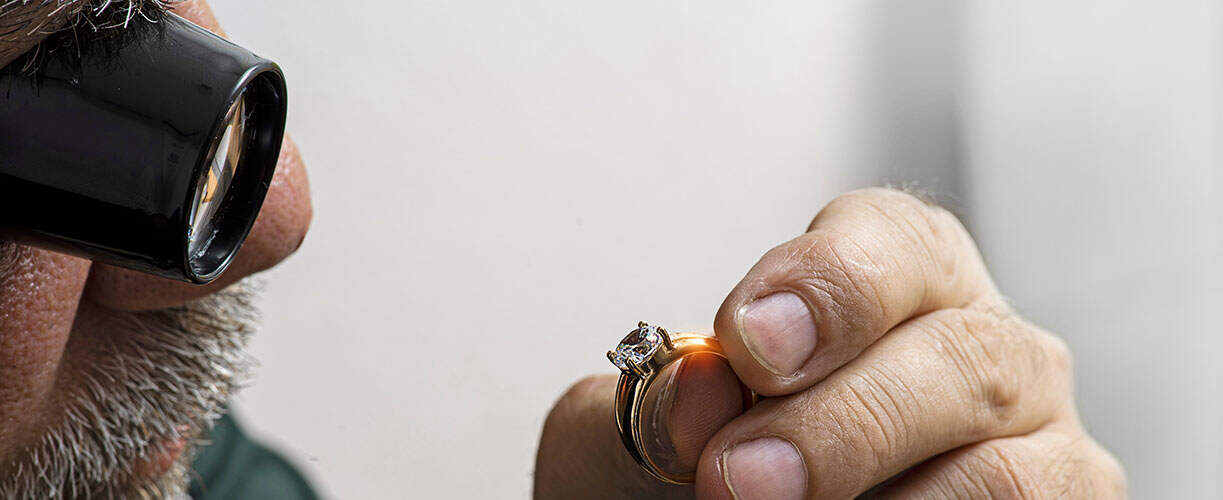
- Do not clean, polish or repair first. Original patina and untouched settings matter to collectors, and harsh cleaning can damage pearls, enamel and treated stones.
- Keep pieces separate. Bag scrap gold, stone pieces and possible collectibles apart so nothing valuable is weighed as scrap.
- Gather paperwork. Receipts, old appraisals, grading reports and original boxes support value, especially for signed jewelry.
- Look for signatures and marks before you visit, using the tips above.
- Ask how each piece is priced. A fair buyer will tell you which items are valued as gold, which for their stones and which as jewelry.
- Get it in writing. Leave with a written list of what was bought, how it was valued and the price paid.
Following these steps is the most reliable route to top dollar for your estate jewelry, whoever you sell to.
Selling Estate Jewelry at David Stern Jewelers
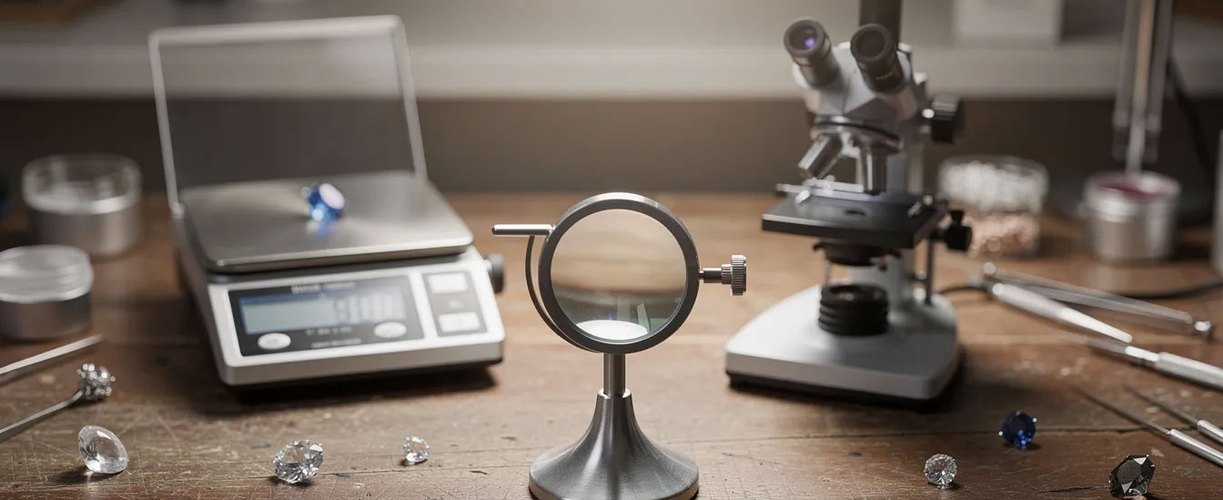
David Stern Jewelers has bought and sold fine jewelry in Boca Raton for over 40 years, and estates are a large part of what we see. We go through each piece with you, set aside anything with collector, maker or stone value, and price plain gold by weight and karat against the day’s spot price. You see how every item is valued before you decide.
Because we are a full-service jeweler with GIA-trained staff, we can recognize the pieces worth more as jewelry than as metal and tell you so. If you accept an offer you are paid the same day; if you would rather keep a piece, we can appraise it, restore it or redesign it instead. Learn more about how we buy estate and fine jewelry in Boca Raton and gold, and bring a government-issued photo ID, which Florida law requires for every sale.
Quick Answers About Estate Jewelry
How do I know if my estate jewelry is valuable?
Look for signatures, karat and platinum marks, old diamond cuts and signs of age such as C-clasps and hand finishing. If a piece shows several of these, have it looked at before selling it for gold.
Should I clean estate jewelry before selling it?
No. Leave cleaning to a jeweler. Harsh cleaning can damage pearls, enamel and some gemstones, and collectors often prefer original condition.
Are old European cut diamonds worth more than modern diamonds?
Often, yes, to buyers of vintage and antique-style rings. An old European cut diamond is valued on its grade and character, and recutting it usually lowers its value.
Is signed jewelry always worth more?
Genuine signed jewelry from a major house usually carries a premium, but the signature must be authentic and the piece in good condition. Fake signatures exist, so construction quality matters as much as the name.
Is costume jewelry from an estate worth anything?
Usually little for its metal, but signed costume pieces from well-known makers can sell to collectors. Set them aside rather than throwing them out.
Can you date a piece of estate jewelry for me?
In most cases, yes. Clasps, settings, metal, stone cuts and marks usually place a piece within a decade or two, and we are happy to look at it with you during a free evaluation.
Do you buy estate silver and flatware too?
Yes. Sterling flatware, tea sets and silver jewelry are common in estates, and we value them against the silver market. See how we work with estate silver buyers for the details.
Do I need an appraisal before selling estate jewelry?
Not always, but it helps for significant pieces, for estates in probate and whenever family members need an independent value.
Bring Your Estate Jewelry to Boca Raton
To get top dollar for your estate jewelry, start with people who can tell the scrap from the collectibles. Visit David Stern Jewelers at 21073 Powerline Rd, #37, Boca Raton, FL 33433, Monday through Friday 9:30 to 5:30 or Saturday 10:30 to 4:30, or call (561) 994-3330 to set aside time for a larger estate. Evaluations are free, with no obligation to sell.