


Highest Paying Cash for Gold Jewelry at David Stern Jewelers
Selling Your Gold at David Stern Jewelers
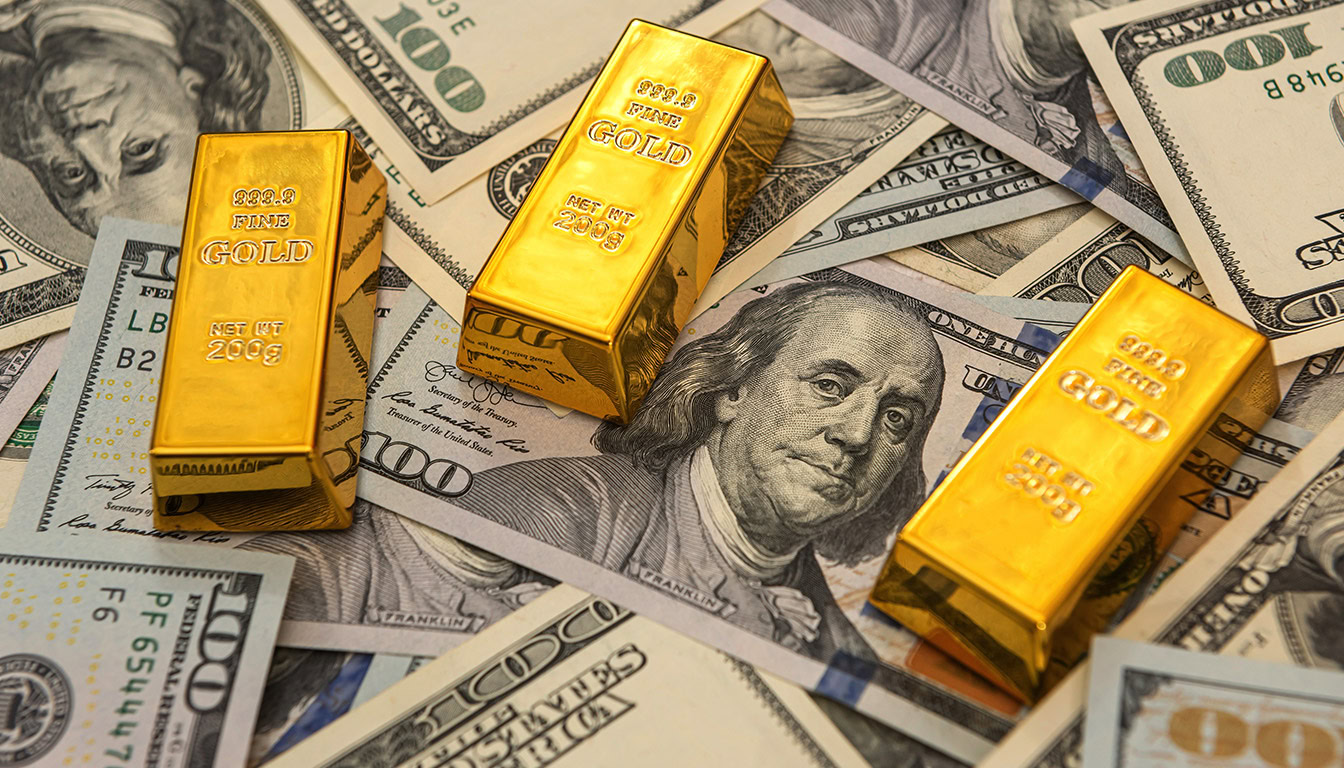
Selling gold can be an easy process when you understand the basics of the market and what determines the value of your gold items. Whether you have gold jewelry, gold coins, or gold bullion, knowing the purity, weight, and rarity of your pieces is key to getting the best value. With gold prices at record highs, now is an excellent time to sell gold you no longer wear or need. You can sell gold to coin buyers, jewelry stores, or through online services like Express Gold Cash, which offer a risk-free and straightforward process. Before you sell, take inventory of your gold items, check for karat stamps, and research the current market price. This preparation ensures you get a fair offer and a smooth, hassle-free experience whether you’re selling in person or online. Remember, the process is designed to be easy and transparent, so you can turn your gold into cash with confidence.
Selling Gold and Jewelry with David Stern Jewelers
Selling gold can be a straightforward and rewarding experience when you know what to expect. With gold prices at historic highs, now is an excellent time to sell gold jewelry, gold coins, and other precious metals you may have tucked away. The first step is to take a careful inventory of your gold items—this includes not just jewelry, but also gold coins, gold bullion, and even broken or mismatched pieces.
Once you’ve gathered your gold, use a gold calculator to estimate the gold melt value based on current market prices, karat purity, and weight. This gives you a solid starting point for understanding what your items might be worth. When you’re ready to sell, it’s crucial to choose a reputable buyer who offers fair prices and a risk-free process. Look for a business with a strong reputation, positive reviews, and a good standing with the Better Business Bureau. Transparency in pricing and the entire process is key—make sure you understand how your offer is calculated and that you’re under no obligation to accept. By following these steps, you can sell your gold with confidence, knowing you’re getting the best possible value for your jewelry, coins, and other gold items.
Understanding Precious Metals
Precious metals like gold, silver, and platinum have long been prized for their rarity, beauty, and lasting value. Gold stands out as both a popular investment and a staple in fine jewelry, thanks to its enduring appeal and high market value. When you decide to sell gold, it’s important to recognize the different forms it can take—such as gold coins, gold bullion, and scrap gold from broken or outdated jewelry.
The value of your gold items is determined by two main factors: purity (measured in karats for gold) and weight. Higher purity and greater weight generally mean higher value. For the most accurate estimate, have your items appraised by a reputable dealer who can test for purity and weigh your gold precisely. You can also use a gold calculator to get a quick estimate of your gold’s value based on these factors. This approach applies to other precious metals as well, including silver and platinum. Understanding the basics of precious metals and how their value is determined will help you make informed decisions when selling your jewelry, coins, or scrap gold.
Selling Gold Coins and Bullion
Gold coins and bullion are among the most valuable forms of gold you can sell, prized by both collectors and investors. The value of these items is closely tied to the spot price of gold, but factors like purity, weight, and rarity can significantly influence the final price you receive. When you’re ready to sell gold coins or bullion, it’s important to work with a buyer who offers fair prices and clear, transparent pricing. You can choose to sell gold coins and bullion at local coin shops, jewelry stores, or through reputable online buyers. Always check the current market price before you sell, and ask the buyer to explain how they determine the value of your coins or bars. By understanding the purity and weight of your gold, and by researching the rarity of specific coins, you can ensure you receive the best possible value for your items. Whether you’re selling a single coin or a collection, a little preparation goes a long way toward maximizing your return.
Get Cash for Gold Jewelry Fast
Turning your unwanted gold jewelry into cash doesn’t have to be complicated, risky, or time-consuming. Whether you have inherited pieces sitting in a drawer, broken chains tangled in a jewelry box, or a wedding ring from a past chapter of your life, you can convert those items into money quickly and safely.
With gold prices hovering above $2,000 per troy ounce as of early 2024, this is an attractive time to sell. The market has seen significant gains driven by inflation concerns and global economic uncertainty, which means your old jewelry may be worth substantially more than you expect. Now gold price is about $4,500 a troy ounce.
We buy 10k through 24k gold jewelry in any condition—broken or intact. This includes rings, chains, bracelets, earrings, charms, and designer pieces from luxury houses like Tiffany. Customers can receive a same-day cash offer when visiting in store, or typically within 24 hours for mail-in items.
For in-person evaluations, we provide an original cash payout—an upfront, transparent cash offer so you know exactly what you’ll receive before you sell.
The rest of this article walks you through how to check what you have, how cash for gold pricing works, and how to avoid lowball offers from less reputable buyers.
Key benefits of selling your gold jewelry:
- Fast payment often same day for in-person transactions
- Transparent pricing based on live spot price and verified weight
- Risk free process with no obligation to accept any offer
- Fair prices for broken, mismatched, or damaged gold items
- Easy process from appraisal to payment
- Reputable cash for gold services provide a detailed purchase invoice listing the metals sold and the price paid
How Much Is My Gold Jewelry Worth?
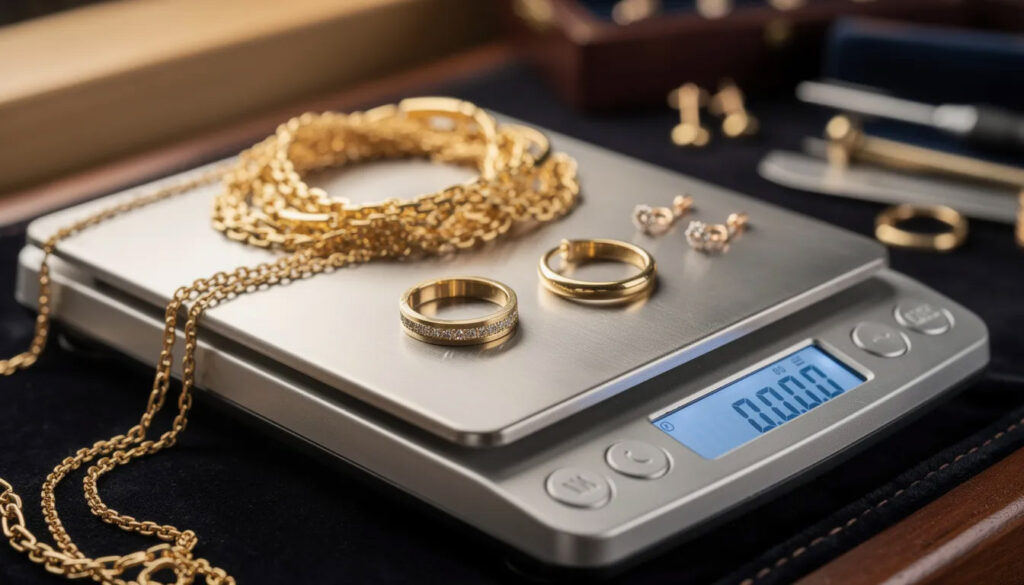
The value of your gold jewelry depends on three primary factors: purity (measured in karat), weight (in grams), and the current market price for gold. Understanding these elements helps you set realistic expectations before you sell.
Karat indicates how much pure gold is in your jewelry. Here’s what the common stamps mean: For more information on recent gold price movements and market trends, see Why Gold Price Trend Signals a Major Market Shift in 2025 – David Stern Jewelers.
- 24k = 99.9% pure gold
- 22k = 91.7% pure gold
- 18k = 75% pure gold
- 14k = 58.3% pure gold (most common in U.S. jewelry)
- 10k = 41.7% pure gold
You can find karat stamps in specific locations depending on the piece. Check inside ring bands, on clasp tags for chains and bracelets, or on earring posts. These tiny markings tell you the purity of the metal and help determine its refined value.
Keep in mind that non-gold components—like diamonds, gemstones, clasps, and springs—may reduce the meltable gold weight. This is why professional testing matters. A buyer with proper equipment can separate the gold content from other materials and give you an accurate appraisal.
Some items may be worth more than their gold melt value alone. Signed vintage jewelry, designer pieces, or antique wedding sets can command premium prices because of brand recognition, age, or rarity. If you suspect you have something special, mention it during your evaluation.
Never try to remove stones or cut jewelry yourself. This often reduces value rather than increasing it. Let a qualified buyer test and weigh your items properly.
Main value factors at a glance:
- Karat purity (10k, 14k, 18k, 22k, 24k)
- Total weight in grams
- Current gold market price
- Potential resale value for designer or antique pieces versus scrap gold pricing
Using a Cash for Gold Calculator
A gold calculator is a useful tool to estimate the melt value of your gold jewelry before you visit a buyer. It gives you a baseline number so you can recognize whether an offer is reasonable or far below market range.
A proper calculator uses live spot prices, which are quoted per troy ounce on major exchanges. It then converts those prices to grams or pennyweight (DWT), which are the standard units for weighing jewelry. To use one effectively, you’ll need three pieces of information ready: metal type (gold, silver, or platinum), karat purity, and total weight.
Here’s a concrete example:
Let’s say it’s Tuesday, June 18, 2024, and 14k gold is worth approximately $48 per gram based on that day’s spot price. Your ring weighs 8 grams. The calculation looks like this:
8 grams × $48 per gram × 0.583 (14k purity fraction) = $223.87 melt value
This is the theoretical pure gold value. The actual cash offer you receive will be somewhat lower because buyers factor in refining costs, handling, and their operating margin.
How to interpret calculator results:
- Calculator numbers represent the gold melt value at 100% of spot—not a final offer
- Most buyers pay 70–85% of this number for common jewelry
- Use your calculation as a reference point, not an absolute expectation
- If an offer is 50% or less of your calculated value, shop elsewhere
- Calculators don’t account for diamonds or resale value of designer pieces
- Recheck prices on the day you plan to sell, as the spot price fluctuates daily
Scrap Gold and Unwanted Jewelry
Even if your gold jewelry is broken, outdated, or missing stones, it still holds significant value as scrap gold. The key to getting the most cash for your scrap gold is understanding its gold melt value, which is determined by the purity and weight of the gold content. Many buyers, including Express Gold Cash, make the process risk free and easy, offering a straightforward way to sell scrap gold and unwanted jewelry for a fair price. You can sell scrap gold at jewelry stores, pawn shops, or through online gold exchanges, but it’s always wise to check the current market price before accepting an offer. The process typically involves a free evaluation, where the buyer tests the purity and weighs your items to determine their value. Whether you have a tangled chain, a single earring, or a collection of old rings, selling your scrap gold is a simple way to turn unused jewelry into cash—no matter the condition.
Getting Fair Prices
When you decide to sell gold jewelry, gold coins, or other precious metals, getting fair prices is essential to maximizing the value of your valuables. With the spot price of gold currently soaring above $3,000 an ounce, the market is in your favor—but only if you work with a reputable buyer who pays competitive rates for your gold items.
Start by researching the current market value of your gold. Use a gold calculator to estimate the gold melt value of your jewelry, coins, or gold bullion based on their purity (karat) and weight. This gives you a solid baseline before you approach any buyer. Remember, the refined value of your gold depends on both its karat and total weight, with 24k gold commanding the highest price per gram.
Not all buyers offer the same rates. Dedicated coin buyers and companies like Express Gold Cash are known for paying up to 90% of the gold melt value for gold bullion and up to 85% for gold jewelry. In contrast, pawn shops often pay much less for gold items, sometimes offering only a fraction of the true value. For this reason, it’s wise to compare offers from multiple sources—both local and online—to ensure you’re getting the best deal.
Transparency is key to a risk-free selling experience. Look for a company that clearly explains their pricing process, bases offers on the live spot price, and provides a detailed breakdown of how your payment is calculated. Reputable businesses will be registered with the Better Business Bureau and have positive reviews from customers who have sold gold, silver coins, platinum, and other precious metals.
In-store appointments can be especially helpful, as you’ll receive an accurate, in-person estimate and have the opportunity to ask questions about the entire process. Many buyers also offer online services, allowing you to fill out a form and receive a free quote for your gold items from the comfort of your home. Whichever method you choose, always keep your original paperwork and documentation for your records.
Ultimately, getting fair prices for your gold, silver, or platinum items comes down to doing your homework. By understanding the market, using a gold calculator, and choosing a reputable buyer, you can expect a smooth, easy process that delivers real value. The benefits are clear: you get cash quickly, avoid unnecessary risk, and ensure your valuables are appraised and purchased at a price that reflects their true worth.
How to Sell Gold Jewelry Properly
Following a few structured steps can mean hundreds of dollars difference in what you receive for the same jewelry. Preparation matters, and so does choosing the right buyer.
The entire process follows a logical sequence: take inventory of what you have, verify the material, research potential buyers, compare offers, and then choose your payment method and documentation. Rushing through any step can cost you money.
A reputable buyer will never pressure you to sell on the spot. They’ll encourage questions, explain their pricing, and give you time to decide. If someone pushes you to accept immediately, that’s a red flag.
Before you visit a shop or ship your items, check the live spot price for gold. Bring a photo ID, as many states require it for precious metals transactions. And remember—even damaged or mismatched earrings, broken chains, and worn-down rings still carry full gold value by weight.
The basic selling process:
- Gather and inventory all gold items you want to sell
- Verify karat stamps and separate marked pieces from unmarked ones
- Research and evaluate potential coin buyers and gold buyers
- Get at least two offers and compare payout percentages
- Choose payment method (cash, check, or bank transfer)
- Collect your purchase receipt and keep it for tax records
Step 1: Take Inventory of Your Gold Jewelry
Before you contact any buyer, gather everything in your home that might contain gold. You may be surprised by how much you have once you look in every drawer, jewelry box, and storage container.
Items to collect:
- Wedding bands and engagement rings
- Fashion rings and class rings
- Chains, necklaces, and Cuban link pieces
- Bracelets, tennis bracelets, and charm bracelets
- Lockets and pendants
- Earrings (including single earrings—they still have value)
- Dental gold from crowns or bridges
- Gold watch cases and bands
- Broken or tangled chains
- Items with missing stones or damaged settings
Separate pieces with clear karat stamps (10k, 14k, 18k, 22k, 24k) from items with unclear or missing markings. This saves time during evaluation and helps you track what’s being tested.
Make a simple list or take photos of each item for your personal records. Note any pieces with original paperwork, receipts, or boxes—these can sometimes add value, especially for designer jewelry.
Be aware that some items are not solid gold. Pieces marked GP (gold plated), GF (gold filled), or HGE (heavy gold electroplate) contain only a thin layer of gold over base metal. Buyers typically pay little or nothing for these items.

Step 2: Find and Evaluate Cash for Gold Buyers
You have options when it comes to choosing a buyer. Local choices include jewelry stores, coin shops, and specialized gold buyers. Online mail-in services offer convenience if you don’t have a reputable local option.
Licensing and legitimacy:
Check that any buyer is properly licensed in their city and state. Many jurisdictions require a secondhand dealer or precious metals license to purchase gold from the public. Ask to see credentials if you have any doubts.
Reviews and reputation:
Review Google ratings, Better Business Bureau listings, and the company’s years in business. Be especially wary of temporary “hotel gold buying” events that set up for a weekend and then disappear. These operations often pay far below fair market value.
Questions to ask before visiting:
- Do you pay based on live gold prices?
- What percentage of melt value do you typically pay for 14k jewelry?
- How soon do you pay—same day, or is there a waiting period?
- Is there any fee for appraisal or testing?
Buyer type comparison:
Pawn shops often pay significantly less than dedicated gold buyers—sometimes as low as 20–40% of melt value—because their business model focuses on short-term loans rather than metal refining. Specialized gold buyers who work with refiners typically offer 70–85% of melt value because they operate on tighter margins and higher volume.
Step 3: Understand Offers and Payout Percentages
Most cash for gold buyers pay a percentage of the melt value rather than 100% of the spot price. This is normal and covers their refining costs, business overhead, and profit margin. The key is knowing what percentage range is fair.
Realistic payout ranges:
For common 14k gold jewelry, many street buyers and pawn shops might offer 50–65% of melt value. Competitive gold buyers who specialize in precious metals typically offer 70–85%, depending on the item type and quantity.
Worked example:
Suppose you bring in a 14k gold bracelet weighing 25 grams on a day when the spot price for gold is $2,100 per troy ounce. First, convert the spot price to grams: $2,100 ÷ 31.1 = approximately $67.52 per gram of pure gold.
Your calculation:
- 25 grams × 0.583 (14k purity) × $67.52 = $984.10 melt value
A buyer offering 75% would pay you approximately $738. A lowball offer of 50% would be only $492—a difference of nearly $250 for the same bracelet.
What to look for in an offer:
- Ask for a written or printed breakdown showing karat, weight, spot price used, and percentage paid
- Gold coins, gold bullion, and gold bars often bring higher percentages (85–95%) due to standardized purity
- Small, lightweight items may bring slightly less due to fixed handling costs
- Designer pieces with resale potential may qualify for above-melt offers
- Never accept a verbal-only quote without documentation
Step 4: Complete the Sale Safely
Once you’ve chosen a buyer and are ready to proceed, pay attention to the final steps. This is where transparency matters most.
Checklist for a safe transaction:
- Watch the entire testing and weighing process—you should see the scale readings and test results
- Common testing methods include magnet tests (gold isn’t magnetic), acid tests, and XRF scans for precise purity readings
- Confirm the exact payout amount before signing any paperwork
- Clarify whether payment is in cash, check, bank transfer, or another method
- Receive an itemized purchase receipt listing each category of item, total weight, karat, current gold price used, and final amount paid
- Keep this receipt for tax purposes and personal records—especially if selling several thousand dollars’ worth in a single year
- If you don’t like the final offer, you should feel completely comfortable walking away with your jewelry
A legitimate business will never pressure you. If something feels wrong, trust your instincts and leave.
Evaluating Silver Coins
Silver coins are a valuable form of precious metal that can be easily converted to cash. When evaluating silver coins, it’s important to consider three main factors: weight, purity, and rarity. The value of silver coins can change with the market, so staying informed about current silver prices is essential. Using a silver calculator, you can estimate the value of your coins based on their weight and purity, giving you a clear idea of what to expect before you sell.
To ensure you receive fair prices and a risk-free experience, always work with a reputable buyer who is transparent about their process and has a strong rating with the Better Business Bureau. A trustworthy business will provide a free evaluation and explain how they determine the value of your coins. Whether you have a single rare coin or a collection, understanding these basics will help you get the most cash for your silver coins while keeping the process simple and secure.
Types of Gold Jewelry We Buy
We handle a wide range of gold items, from small everyday pieces to large estate collections. Whether you have a single ring or an entire inventory from a deceased relative, we can provide a fair appraisal and express gold cash payment.
Categories we purchase:
- Engagement rings and wedding bands
- Fashion rings, cocktail rings, and class rings
- Chains and necklaces of all lengths and styles
- Cuban link necklaces and rope chains
- Tennis bracelets and charm bracelets
- Bangles and cuff bracelets
- Gold hoop earrings, stud earrings, and drop earrings
- Lockets, pendants, and religious medals
- Watch cases and bands (gold only)
- Dental gold
- Broken chains, single earrings, and damaged clasps
- Worn-out settings with missing stones
Metal types we accept:
- 10k, 14k, 18k, 22k, and 24k gold
- Yellow gold, white gold, and rose gold
- Mixed lots with various purities (we test and separate)
We also consider designer and branded jewelry from luxury houses, which may command more than standard scrap prices due to brand value and collectibility. If you have vintage pieces from well-known designers, let us evaluate them separately.
What we don’t purchase as gold:
Gold-plated, gold-filled, or costume jewelry is not solid gold and doesn’t carry melt value. However, we can test items on request so customers know exactly what they have before making decisions.
In-Person vs. Mail-In Cash for Gold Options
When you’re ready to sell gold, you have two main paths: visiting a local buyer in person or using an insured mail-in service. Each has advantages depending on your situation and preferences.
In-person sales:
- Immediate testing performed in front of you—you can watch the entire process
- Same-day payment, often in cash for smaller transactions
- Ability to ask questions and negotiate on the spot
- No shipping risk or waiting period
- Ideal for local customers who want maximum transparency
Mail-in sales:
- Request a prepaid, insured shipping kit from the buyer
- Pack your items securely using provided materials
- Ship via tracked carrier and keep your drop-off receipt
- Receive a quote typically within 24 hours of delivery
- Approve or decline the offer—if declined, items ship back free
Reputable mail-in services insure shipments based on estimated value and return your items at no charge if you decline their offer. This makes the process risk free for customers who aren’t near a trusted local buyer.
Tips for mail-in sellers:
- Photograph and list each item before shipping
- Keep copies of all original paperwork and receipts
- Obtain a tracking number and carrier receipt at drop-off
- Confirm the company’s return policy in writing before shipping
- Expect payment via check or bank transfer rather than cash
Both methods work well with the right buyer. The key is choosing a company with transparent pricing, proper licensing, and a track record of customer service.
How to Avoid Common Cash for Gold Scams
While most gold buyers operate honestly, some use tactics designed to pay you far less than your jewelry is worth. A little awareness goes a long way toward protecting yourself.
Red flags to watch for:
- Refusing to show the scale. Legitimate buyers let you see your jewelry being weighed. If they hide the scale or give you a number without showing the reading, leave.
- Won’t explain test results. You should know what karat your gold tested at. A buyer who brushes off questions or provides vague answers isn’t being transparent.
- Unclear payout percentages. Reputable buyers explain how they calculate offers. If you can’t get a straight answer about what percentage of spot price they pay, that’s a problem.
- Temporary hotel-room buyers. These operations set up for a few days in a hotel conference room, pay extremely low prices, and disappear. They count on customers not knowing the market.
- Door-to-door buyers. Anyone showing up at your home offering cash for gold is unlikely to give you fair prices. They have no overhead, no accountability, and no license in many jurisdictions.
- Scale confusion. Some buyers use pennyweight (DWT) instead of grams, which can confuse customers. One gram equals 0.643 pennyweight. Make sure you understand the unit being used and that the scale is visible and zeroed properly.
Best practices:
- Get at least two offers before selling anything worth more than a couple hundred dollars
- Walk away from any high-pressure tactics or “today only” deals
- Check the business bureau listing for complaints before visiting
- Trust your sense of the situation—if something feels off, it probably is
Original Cash Offers
When you decide to sell your gold, receiving an original cash offer from a reputable buyer is essential for peace of mind. Companies like Express Gold Cash are known for providing risk-free, easy processes and transparent pricing based on the current market price. With original cash offers, you’ll know exactly how much you’ll receive for your gold items before you commit to selling. The entire process is designed to be straightforward: your gold is evaluated, you receive a clear offer, and payment is made promptly—often the same day. You can expect to receive all necessary paperwork and documentation, ensuring the transaction is both secure and professional. This approach guarantees that you get a fair price for your gold, with no hidden fees or surprises, making it easy to turn your valuables into cash with confidence.
Why Choose David Stern Jewelers
At David Stern Jewelers, we are dedicated to making the process of selling gold, silver, and other precious metals as easy and rewarding as possible. Our experienced team offers fair prices and a risk-free process, ensuring you feel confident every step of the way. We evaluate your gold items—including gold coins, gold bullion, and scrap gold—using industry-leading standards for accuracy and transparency.
We understand that selling valuables can be an emotional decision, which is why we prioritize honesty, integrity, and clear communication. Our services go beyond just buying gold; we also offer expert appraisals, jewelry repairs, and purchases of diamonds and luxury watches. Whether you’re looking to sell a single gold coin or an entire collection of scrap gold, you can trust us to provide a free, no-obligation estimate and the best value for your items. Discover the benefits of working with a reputable local business—contact David Stern Jewelers today to start the process and experience the difference for yourself.
Whether you’re selling a single charm bracelet or an entire collection of inherited jewelry, understanding the process puts you in control. Gather your valuables, check for karat stamps, research buyers carefully, and don’t accept the first offer without comparing it to at least one other. With gold prices at historically high levels, your unused jewelry may be worth more than you think—and converting it to cash has never been more straightforward.
Customer Testimonials
Our customers consistently share positive feedback about their experiences selling gold jewelry, coins, and other valuables with us. With over 250,000 satisfied customers, we’ve earned a reputation for offering the highest and fairest prices for gold items. People appreciate our transparent pricing, risk-free process, and commitment to excellent customer service. Whether you’re selling a single gold ring or an entire collection of coins, our team is dedicated to making the process easy and rewarding. Many customers mention how simple and stress-free the process was, and how they felt confident knowing they were getting a fair price for their valuables. We’re proud to provide a service that puts your needs first—ensuring you receive the best value for your gold, every time.
Conclusion
In conclusion, selling gold jewelry, coins, bullion, and other precious metals can be a straightforward and rewarding experience when you approach it with the right knowledge and preparation. By taking inventory of your valuables, understanding the gold melt value, and researching reputable buyers, you set yourself up to receive the best possible price for your gold, silver, and platinum items. Whether you’re looking to sell gold coins, gold bars, scrap gold, or luxury jewelry, it’s essential to work with a company that values transparency, offers fair prices, and provides a risk-free, easy process from start to finish.
Reputable businesses like Express Gold Cash and National Gold Market Corporation are known for their commitment to customer service, competitive pricing, and clear communication. Always check reviews and consult the Better Business Bureau to ensure you’re dealing with a trustworthy buyer. Remember, the entire process should be transparent—your gold items should be evaluated in front of you, and you should receive a detailed breakdown of how your offer is calculated.
By following the steps outlined in this article—gathering your inventory, understanding the market, and choosing a buyer who prioritizes fairness and service—you can maximize the value of your gold and silver. Whether you’re selling a single piece of jewelry or an entire collection of coins and bullion, the right approach ensures you get the most money for your valuables with confidence and peace of mind.
If you’re ready to turn your gold, silver, diamonds, or other luxury items into cash, choose a company that puts your needs first. With the right preparation and expectations, selling your precious metals can be a simple, risk-free process that delivers real value.
Frequently Asked Questions About David Stern Jewelers’s Cash for Gold Jewelry
Do broken or single earrings have any value?
Yes. Value comes from weight and purity, not condition or completeness. A single gold earring has the same per-gram value as a matching pair. Broken chains, bent rings, and pieces with missing stones all qualify for purchase based on their gold content.
Are diamonds and gemstones paid for separately?
This depends on the buyer. Some evaluate quality stones (especially larger diamonds) and add value to your total offer. Others pay only for the gold and return the stones to you. Ask upfront how they handle stones so you know what to expect.
How quickly can I get paid?
For in-store visits, expect same-day payment once you accept the offer. For mail-in service, most buyers send payment within 24 hours after you approve the appraisal, typically via check or bank transfer. The money is usually in your hands within a few business days.
Do I need to bring identification?
Most states require a valid government-issued photo ID for precious metals transactions. Some jurisdictions also impose a holding period before buyers can resell purchased items. Bring your driver’s license or passport to avoid delays.
What about taxes on selling gold?
Large profits from selling gold may be taxable as capital gains. If you sell more than a certain threshold in a calendar year, you may receive a 1099-B form. Keep all purchase receipts for your records and consult a tax professional if you’re unsure about your obligations.
What if I change my mind after getting an offer?
A reputable buyer will let you walk away with your items if you’re not satisfied with the offer. There’s no obligation to sell. If a buyer pressures you or refuses to return your jewelry, that’s a major warning sign.
How do I know if my jewelry is real gold?
If you're uncertain about your jewelry's authenticity, consider visiting David Stern Jewelers for a professional evaluation. Look for karat stamps (10k, 14k, 18k, etc.) on the piece. If there’s no stamp or you’re uncertain, a buyer can test the item using acid, electronic testers, or XRF technology. Professional testing takes just minutes and removes all guesswork about what you have.