


Silver Price Today – Live 2026 Silver Buying Price & Selling Guide
Silver has surged to multi-year highs in 2026, making this an important moment for anyone holding silver items or monitoring precious metals as an investment. Whether you’re looking to sell silver coins, evaluate old jewelry, or simply track the current market price, this guide delivers the live data and practical insights you need.
Silver Price Today (Updated First)
This section provides the most recent silver price data first—ideal for sellers checking what their metal is worth right now and investors tracking daily price movements.
As of mid-morning on February 26, 2026, silver is trading at approximately $87.50 per troy ounce.
Here’s how today’s price compares:
| Timeframe | Silver Price per Ounce | Change |
|---|---|---|
| Today (February 29, 2026) | $87.47 | — |
| Yesterday Close | $88.38 | -$0.91 (-1.03%) |
| One Year Ago | $31.85 | +$55.62 (+175%) |
- The intraday range has seen silver move between roughly $87 and $91 per ounce across different trading platforms today
- Current prices sit just below the $90 level that silver touched multiple times this month
- Silver briefly breached $100 per ounce in January 2026 before pulling back
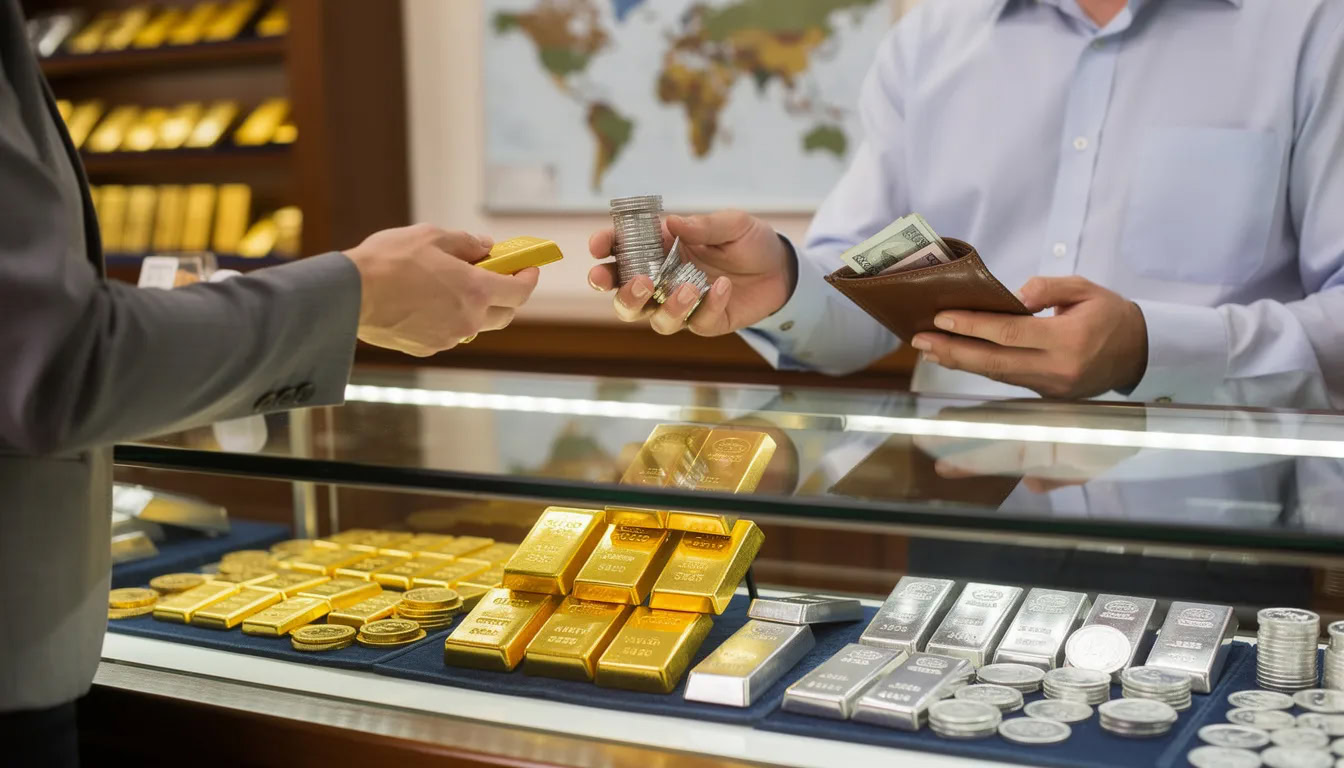
When you sell physical silver at a local buyer like David Stern Jewelers, Boca Raton’s trusted gold and jewelry buyer, your actual payout will be based on this live spot price minus a small spread to cover handling and resale costs. The tighter that spread, the more money ends up in your pocket.
How Much Can You Get for Your Silver Today at David Stern Jewelers?
David Stern Jewelers buys silver every day and, as one of Boca Raton’s best gold and jewelry buyers, aims to pay among the highest cash payouts in the area. If you have silver items sitting unused, today’s elevated prices present a strong opportunity.
While the COMEX spot price (around $87–$89 per ounce today) sets the baseline, your actual offer depends on item type, purity, and weight. Here’s what you might expect for common silver items based on current market conditions:
- Sterling flatware and holloware (.925 silver): Priced at approximately 92.5% of the pure silver value, minus a modest spread. A complete set of sterling silverware can yield hundreds to thousands of dollars at today’s prices.
- Pre-1965 U.S. 90% silver coins: Often called junk silver, these coins (dimes, quarters, half dollars) contain 90% silver content. A $1 face value of these coins holds about 0.715 troy ounces of silver, worth roughly $60–$63 at today’s spot.
- .999 fine silver bars and rounds: Investment-grade bullion typically receives offers closest to spot—sometimes up to 95–98% of the current price for recognizable products in good condition.
- Broken or scrap silver jewelry: Items marked “925” or “Sterling” are tested and weighed, then valued based on actual silver content regardless of condition.
The process is straightforward:
- Bring your silver items to David Stern Jewelers
- Receive a free evaluation with testing and weighing
- Get paid on the spot in cash or check—same day
What Is the Silver Spot Price?
The spot price is the current wholesale market price for one troy ounce of .999 fine silver available for immediate delivery. It represents the “raw” metal value before any fabrication, distribution, or retail costs are added.
All major silver products—coins, bars, rounds, jewelry—are ultimately priced from this spot benchmark. The price updates multiple times per minute during active market hours, reflecting continuous global trading activity.
Key facts about silver spot pricing:
- Quoted in troy ounces (31.1035 grams), not standard avoirdupois ounces (28.35 grams)
- Standard purity reference is .999 fine silver. Silver must be 99.9% pure to be eligible for inclusion in a silver IRA. Additionally, IRA-eligible silver must be stored with an IRS-approved custodian to comply with IRS regulations for precious metals in retirement accounts.
- Prices typically quoted in US dollar but also available in euros, British pounds, and Japanese yen
- Discovered through continuous electronic trading on major exchanges like COMEX in New York and the London bullion market
- The “live prices” shown on charts represent the mid-point between wholesale bid and ask quotes, not yet including retail premiums or local dealer margins
Understanding this benchmark helps you evaluate any buy or sell offer you receive—whether from an online dealer, coin shop, or David Stern Jewelers—and to put moves like the recent silver price surge past $30 per ounce into perspective.
Understanding Precious Metals
Precious metals—such as silver, gold, platinum, and palladium—have long been prized for their rarity, durability, and intrinsic value. Among these, silver stands out for its unique blend of affordability and versatility. The price of silver is shaped by a dynamic interplay of industrial demand, investment interest, and shifting market conditions. Unlike some other precious metals, silver prices can experience rapid fluctuations, making it essential for investors to keep a close eye on the current market price.
A key benchmark for anyone interested in silver is the silver spot price. This figure represents the current market value for one troy ounce of pure silver, serving as the foundation for pricing everything from silver coins and bars to silver bullion rounds. Physical silver bullion remains a popular choice for investors seeking a tangible asset that can help diversify their portfolios and hedge against inflation, especially amid shifting gold and silver market trends. Silver coins and bars are especially favored for their recognized purity and ease of trade.
For those who prefer a more hands-off approach, silver exchange traded funds (ETFs) offer exposure to the price of silver without the need to store physical metal. And if you also hold other metals, learning how to get the highest prices when selling gold can complement your silver strategy. Whether you choose to buy physical silver bullion or invest through financial products, understanding the spot price and the factors that drive it—such as industrial demand and global economic trends—can help you make informed decisions in the precious metals market.
Key Factors Moving Today’s Silver Price
Silver is influenced by both industrial demand and investment flows, causing notable volatility compared to gold. The metal can swing several dollars per ounce in a single trading session based on shifting market conditions.
Here are the main drivers affecting silver in early 2026:
- Monetary policy and interest rates: Expectations around Federal Reserve rate decisions directly impact precious metals. Lower rates tend to support silver since the metal yields no income, making it more competitive against interest-bearing assets.
- Inflation expectations and US dollar strength: A weakening dollar typically pushes silver higher, as it becomes cheaper for foreign buyers. Conversely, a strong dollar can suppress prices.
- Geopolitical tensions: Uncertainties in global trade negotiations and regional conflicts drive safe-haven flows into precious metals, including silver.
- Rising industrial demand: Solar panels, electronics, electric vehicles, and medical devices consume a substantial portion of annual silver output. With renewable energy adoption accelerating, industrial consumption continues climbing.
- Mine supply constraints: Silver is often produced as a byproduct of copper, lead, and zinc mining. The market has experienced a sixth consecutive year of structural supply deficit, where physical output fails to match total consumption.
Silver has climbed to multi-year highs in early 2026, briefly testing around $100 per ounce in January, driven by this tighter supply picture and robust industrial usage, even as short‑term corrections in gold and silver prices remind investors of the market’s volatility.
Because the silver market is considerably smaller than gold markets, price swings tend to be more dramatic when capital flows in or out. This volatility creates both opportunity and risk for investors and sellers alike.
Silver as Both Industrial Metal and Investment Asset
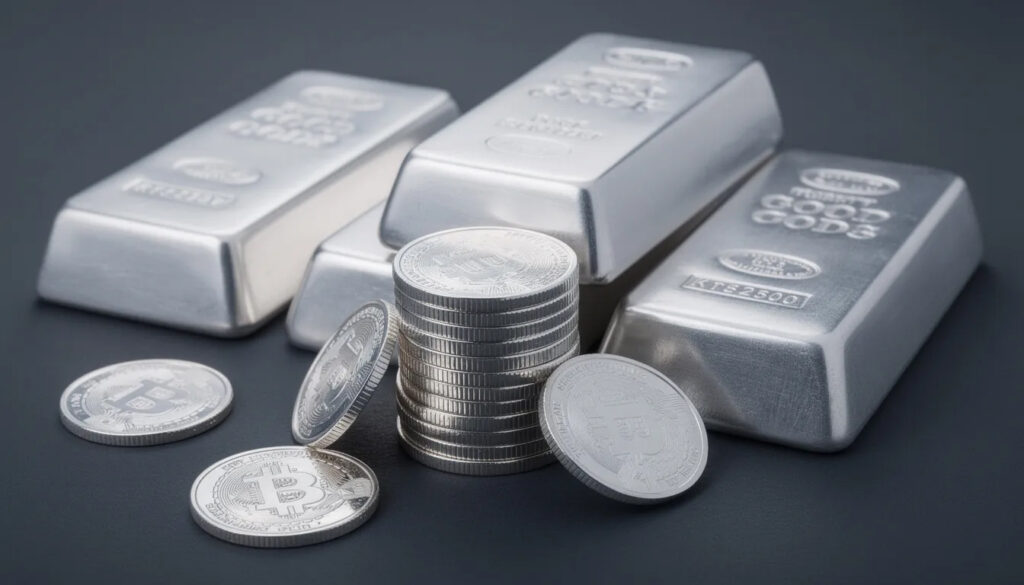
Silver occupies a unique position among precious metals due to its “dual role”—roughly 50–60% of annual demand comes from industrial applications, while the remainder stems from investment, jewelry, and silverware.
Key industrial uses:
- Electronics: Circuit boards, switches, semiconductors, and connectors rely on silver’s unparalleled electrical conductivity
- Photovoltaics: Solar cells use silver paste for electrical contacts, and global solar capacity expansion has driven significant demand growth
- Electric vehicles: Batteries and electrical systems incorporate silver components
- Medical applications: Silver’s antibacterial properties make it valuable in wound dressings, coatings, and equipment
- Water purification: Silver-based systems provide antimicrobial treatment
The mid-2020s push toward renewable energy and electrification has increased expectations for long-term silver consumption, supporting bullish price forecasts and aligning with analysts who see a new bull market phase for silver prices.
Silver as an investment asset:
- A tangible store of value with thousands of years of monetary history
- A hedge against inflation and currency debasement, though less potent than gold
- A relatively affordable entry point into precious metals compared with gold’s $5,000+ per ounce price—especially relevant for those exploring selling gold for cash at David Stern Jewelers
- Available through physical bullion, coins, and various financial instruments
Investors are generally advised to allocate not more than 10% to 15% of their portfolio to silver. Silver is viewed as a relatively stable asset suited to preserve purchasing power, especially during inflationary periods.
This dual demand creates unique price behavior. Economic slowdowns can hurt industrial consumption while boosting safe-haven investment demand—or vice versa during booms. Understanding this dynamic helps explain why silver doesn’t always move in lockstep with gold.
Silver Spot Price vs. What You Actually Pay or Receive
The spot price represents the “raw” metal value, but real-world retail prices and buyback quotes differ due to premiums, spreads, and business costs. Here’s how it works in practice.
When buying silver:
- New coins and bars (such as American Silver Eagles, Canadian Maple Leafs, or popular rounds) typically sell above spot to cover minting, distribution, and dealer margin
- Premiums vary based on brand recognition, purity, size, and current market tightness—during supply squeezes, premiums can spike significantly
- Smaller items like 1 oz rounds generally carry higher per-ounce premiums than larger silver bars in bar form (10 oz, 100 oz)
When selling silver at David Stern Jewelers:
- Customers selling silver receive a price based on today’s spot minus a small spread, reflecting refining, handling, and resale considerations
- David Stern Jewelers strives to keep this spread tight to provide some of the highest payouts for sellers
- Same-day payment means you don’t wait for checks to clear or funds to transfer
Example payout comparisons at today’s ~$87/oz spot:
- Generic .999 silver bar (10 oz): Might receive $850–$870, or roughly 97–100% of spot, due to easy resale
- Sterling silver bracelet (.925): After purity adjustment (92.5% of spot), expect approximately $80 per ounce of total weight, minus a modest spread
- Pre-1965 90% silver quarters: Priced at their silver content value—about $6.25–$6.50 per coin at current levels
The bid price is what dealers pay to acquire silver; the ask price is what they sell it for. This bid–ask spread explains why quotes differ across online platforms and local shops. Lower spreads mean better value for both buyers and sellers and are a hallmark of professional gold‑and‑jewelry buying services at David Stern Jewelers.
Silver Market Indicators: Gold–Silver Ratio and Price History
The gold–silver ratio tells you how many ounces of silver it takes to purchase one ounce of gold at current prices. Some investors use this metric to gauge whether silver is relatively cheap or expensive compared to its historical relationship with gold. When the gold-silver ratio rises significantly above historical averages, silver is typically considered undervalued relative to gold. Conversely, an unusually low gold-silver ratio might indicate silver’s relative overvaluation. Sophisticated investors monitor the gold-silver ratio to identify potential entry and exit points across metal allocations.
Current 2026 gold–silver ratio: Approximately 59–60, meaning it takes about 59–60 ounces of silver to equal one ounce of gold (with gold trading around $5,173–$5,209 per ounce).
Historically, this ratio has ranged widely:
- Averaged around 50–60 during much of the 20th century
- Spiked above 100 during periods of silver underperformance
- Dropped below 40 during silver bull markets
A higher ratio suggests silver may be undervalued relative to gold, while a lower ratio indicates the opposite.
Long-term silver price milestones:
- 1980 peak: Nearly $50/oz during the Hunt brothers’ attempted corner of the market
- 2011 high: Approximately $49/oz amid post-financial-crisis monetary expansion
- Early 2024: Trading around $22–$25/oz before the current bull run began
- January 2026: Briefly breached $100/oz, marking a new all-time high
- Current February 2026: Consolidating in the $87–$91 range
Since the beginning of the 21st Century, silver prices have increased overall, catching the attention of many investors. However, silver’s value has underperformed the S&P 500 by roughly 96% since 1921, highlighting that stocks have historically outperformed silver over the long term. Despite this, silver remains valuable for diversification, especially during inflationary and crisis periods. Taking a long term view of precious metal price charts can highlight various past precious metal bull markets in both metals and show why high gold prices can create ideal selling windows, helping investors avoid overreacting to short-term fluctuations. Understanding where today’s price sits relative to historical significance helps sellers and investors make informed decisions.
Junk Silver and Its Value
Junk silver, often referred to as constitutional silver, consists of pre-1965 U.S. coins like dimes, quarters, and half dollars that contain 90% silver. Unlike collectible coins, junk silver is valued primarily for its silver content rather than any numismatic value. Each $1 face value of these coins contains approximately 0.715 troy ounces of silver, making them a straightforward way to invest in physical silver.
The value of junk silver is closely tied to the silver spot price, but these coins often trade at a premium due to their recognized form, divisibility, and historical significance. Investors appreciate junk silver for its liquidity and the trust that comes with government-issued coinage. However, because the market for junk silver is robust, it’s important to perform security verification to ensure authenticity and accurate silver content. Reputable dealers and professional appraisal services at David Stern Jewelers can help verify your coins, protecting you from counterfeits and ensuring you receive fair value.
For those looking to diversify their holdings or acquire silver in smaller, easily tradable units, junk silver offers a practical and historically significant option. Its enduring value and connection to America’s monetary past make it a favorite among both new and seasoned investors.
Ways to Own Silver: Physical Bullion, Coins, Jewelry, and Paper Silver
Individuals can access silver through physical products and financial instruments, each with different advantages and trade-offs.
Physical investment options:
- Bullion coins: American Silver Eagles, Canadian Maple Leafs, and Austrian Philharmonics carry government-backed purity guarantees and strong recognition. Premiums run higher than generic products, but resale is typically easier.
- Silver bars and silver rounds: Available in .999 fine purity from private mints in sizes from 1 oz to 100 oz. Generally carry lower premiums per ounce than government-minted coins.
- Junk silver: Pre-1965 U.S. dimes, quarters, and half dollars containing 90% silver. Traded primarily for melt value rather than numismatic value, making them accessible for new investors.
Jewelry and flatware:
- Items valued based on silver content (sterling .925, coin silver .900) plus any additional value for design, craftsmanship, or collectibility
- Broken chains, mismatched earrings, and damaged pieces still hold value based on weight and purity
- David Stern Jewelers, a full‑service fine jewelry store, buys these items daily, testing each piece for accurate payouts
Paper and financial silver:
- Silver exchange traded funds backed by physical silver bullion provide price exposure without storage concerns
- Silver mining companies offer leveraged exposure to silver prices, though with added business risk
- Futures and options contracts allow speculation and hedging but require more sophisticated knowledge
- These instruments carry counterparty and market risks not present when holding physical silver
For sellers looking to convert silver into immediate cash, physical silver bullion, coins, jewelry, and flatware can all be brought to David Stern Jewelers for evaluation and same-day payment.
The Role of Gold in Silver Investing
Gold and silver are the cornerstone precious metals for investors, and their prices often move in tandem due to shared economic drivers. The gold-silver ratio—a measure of how many ounces of silver are needed to purchase one ounce of gold—is a key indicator used by investors to assess relative value. When this ratio is high, it may signal that silver is undervalued compared to gold, presenting a potential buying opportunity for those looking to balance their investment portfolio.
Gold markets play a significant role in shaping silver prices, especially during periods of economic uncertainty when investors flock to gold as a safe-haven asset, as highlighted by recent spot gold price and market trend analyses. However, silver’s unique industrial demand and supply dynamics can cause its price to diverge from gold, creating distinct opportunities and risks. For example, rising industrial demand for silver in sectors like electronics and renewable energy can drive prices independently of gold.
By monitoring the gold-silver ratio and understanding the interplay between these two precious metals, investors can make more informed decisions about when to buy or sell silver. Allocating your investment portfolio with an eye on both gold and silver allows you to capitalize on shifts in supply, demand, and market sentiment—helping you maximize returns and manage risk in the ever-changing world of precious metals.
When Is It a Good Time to Sell Silver?
Nobody can time the market perfectly, but objective indicators can help you decide whether selling makes sense for your situation. With silver trading near multi-year highs, many holders are evaluating their positions.
Practical triggers to consider selling:
- Silver hitting or approaching multi-year or all-time highs—the 2026 surge near $90–$100/oz represents prices not seen in decades
- Personal financial goals or liquidity needs, such as paying down debt, funding home improvements, or covering unexpected expenses
- Portfolio rebalancing after silver has grown to represent a larger portion of your assets than originally intended
- Taking profits after substantial gains—silver has roughly tripled from its $31.85 price one year ago
Big upward moves in a short period often prompt long-term holders to lock in gains. The 175%+ increase over the past year means items purchased years ago at $15–$25 per ounce have appreciated dramatically.
Compare today’s spot price with your original purchase price to calculate realized gains. For inherited items where the original cost is unknown, current elevated prices may represent a generational opportunity to monetize.
David Stern Jewelers provides no-pressure evaluations, allowing you to see your offer before deciding whether to sell. There’s no obligation—you can get informed about your silver’s value and decide on your own timeline, supported by the same welcoming, expert environment described on their visit‑us and customer experience page.
How David Stern Jewelers Evaluates and Buys Your Silver
David Stern Jewelers buys silver every day, aiming to deliver transparent, top-of-market payouts based on current market price data. Here’s how the process works.
The in-store evaluation process:
- Greeting and initial review: Staff examines your items and discusses what you’ve brought in
- Visual inspection: Checking for hallmarks like “.999,” “Sterling,” “925,” or “900” that indicate purity
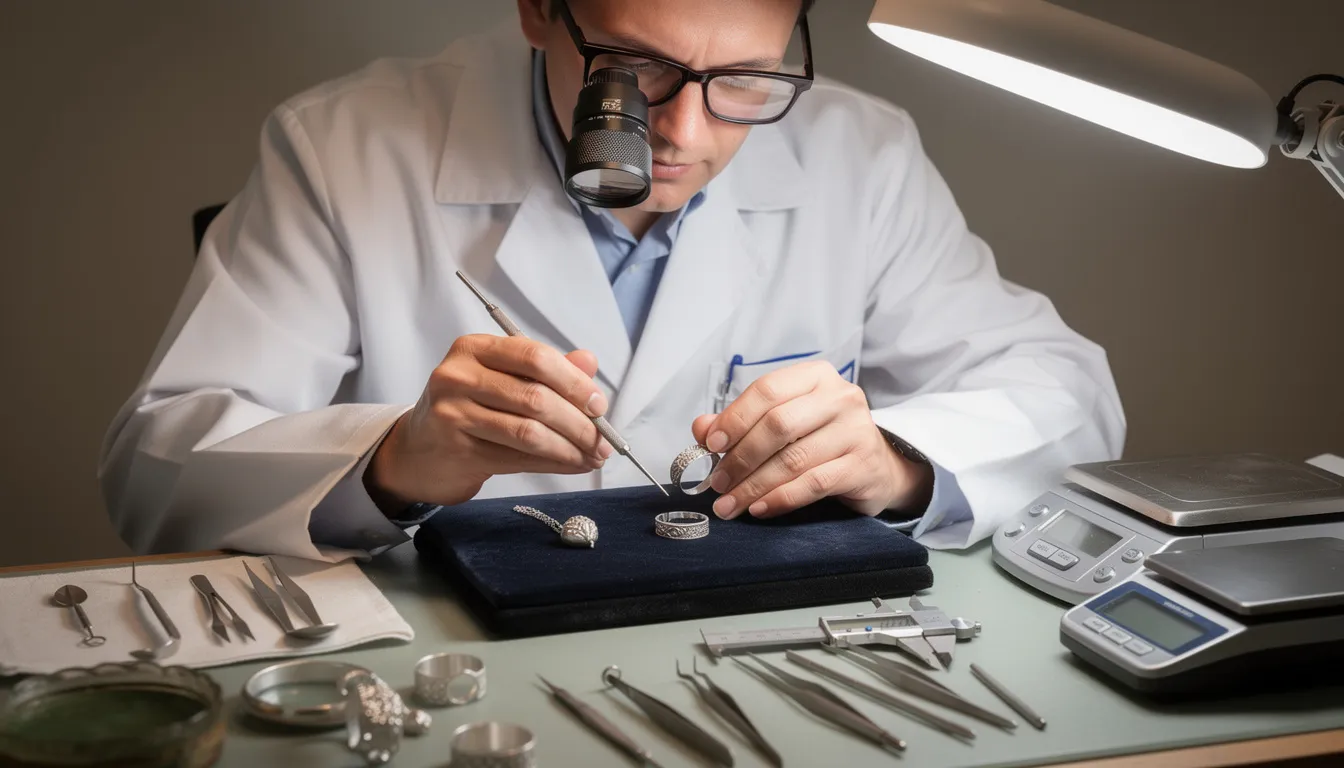
- Non-destructive testing: Using acid tests, electronic testing, or XRF analysis to verify actual silver content—not relying solely on markings
- Precise weighing: Items measured on calibrated scales in troy ounce or gram increments
- Live price calculation: Payout calculated based on current spot price and verified purity
- Written offer: Clear quote presented with no pressure to accept
Types of silver commonly purchased:
- .999 fine silver bars and silver rounds from recognized mints
- Government-issued bullion coins including American Silver Eagles and foreign sovereign coins
- Pre-1965 U.S. silver coins (90% silver dimes, quarters, half dollars)
- Sterling silver jewelry, whether wearable or broken
- Sterling flatware, tea services, and decorative items
- Scrap silver and miscellaneous silver products
Staff verify purity through testing rather than trusting markings alone, ensuring accurate payouts for every item. Payment options include cash or check, issued same day with no waiting period—an approach reflected in customer reviews of David Stern Jewelers’ diamond and jewelry services.
Frequently Asked Questions About Today’s Silver Price
This section answers common questions from sellers and investors checking silver prices in 2026.
- How often does the silver spot price change during the day? The spot price updates continuously during market hours—potentially multiple times per minute—reflecting real-time trading on global exchanges. Prices can move several dollars in a single session.
- Why is the price I see online different from what I’m quoted locally? Online prices typically show the mid-market spot price. Local quotes include a spread to cover business costs. Additionally, slight timing differences between when you check online and when a dealer quotes can cause variations.
- What documents or ID do I need to sell silver at David Stern Jewelers? A valid government-issued photo ID is typically required to complete transactions. Requirements may vary based on transaction size and local regulations.
- Do small items like single earrings or broken chains still have value? Yes. Any item containing silver has value based on its weight and purity, regardless of condition. Small and damaged pieces are tested and weighed just like larger items.
- How is sterling silver (.925) priced compared to .999 pure silver? Sterling contains 92.5% silver, so its value is calculated at 92.5% of the pure silver spot price per unit of weight, then adjusted for the dealer’s spread.
- Does security verification affect my selling experience? Dealers may perform performing security verification to protect against fraudulent items. This is standard practice and protects both parties in the transaction.
Staying Informed on the Silver Price and Next Steps
Tracking the live silver price today is essential if you’re considering buying or selling. With prices having surged from around $32 to nearly $90 per ounce over the past year, staying informed helps you make well-timed decisions.
Action steps to consider:
- Monitor reputable live spot price charts for intraday moves and daily price trends
- Compare today’s price to recent weeks and months before making significant selling decisions
- Visit or contact David Stern Jewelers for a current quote tied directly to the day’s spot price
- Gather your silver items for evaluation—bars, coins, jewelry, flatware, or scrap
David Stern Jewelers updates offers in real time based on the latest market data, ensuring payouts remain competitive throughout the trading day. Whether silver continues climbing or pulls back from current levels, you’ll receive a fair offer reflecting actual market conditions from a leading place to buy diamonds and gold in Boca Raton.
Ready to see what your silver is worth?
Bring your silver items to David Stern Jewelers for a free, no-obligation evaluation. Our team tests, weighs, and prices your silver based on live spot data—with same-day payment in cash or check if you decide to sell. Call or visit today to take advantage of current elevated silver prices and experience the family‑run, full‑service jewelry expertise of David Stern Jewelers, backed by customer‑praised gold and jewelry buying services.
Frequently Asked Questions About Silver Price Today
What is the silver spot price and how often does it change?
The silver spot price is the current wholesale market price for one troy ounce of .999 fine silver available for immediate delivery. It updates continuously during market hours, often multiple times per minute, reflecting real-time trading on global exchanges.
Why is the price I see online different from the price offered locally?
Online prices typically show the mid-market spot price, which is an average between bid and ask prices. Local dealers include a spread to cover business costs such as refining, handling, and resale, which can cause local quotes to differ slightly from online spot prices.
What types of silver items can I sell and how are they valued?
You can sell various silver items including .999 fine silver bars and rounds, government-issued silver coins like American Silver Eagles, pre-1965 90% silver coins (junk silver), sterling silver jewelry, and flatware. Valuation depends on silver content, purity, weight, and current market price, with premiums or discounts applied based on item type and condition.
How does industrial demand affect the silver price?
Approximately 50–60% of annual silver demand comes from industrial uses such as electronics, solar panels, electric vehicles, and medical devices. Rising industrial demand, especially from renewable energy and technology sectors, supports higher silver prices by increasing consumption.
Can I include silver in my IRA and what are the requirements?
Yes, you can include silver in a precious metals IRA if the silver is at least 99.9% pure and stored with an IRS-approved custodian. Eligible silver products include certain coins and bars that meet purity and storage standards, but items like junk silver do not qualify for IRA inclusion.