


Value of Gold and Silver Today, Now is the Best Time To Come Sell to David Stern Jewelers
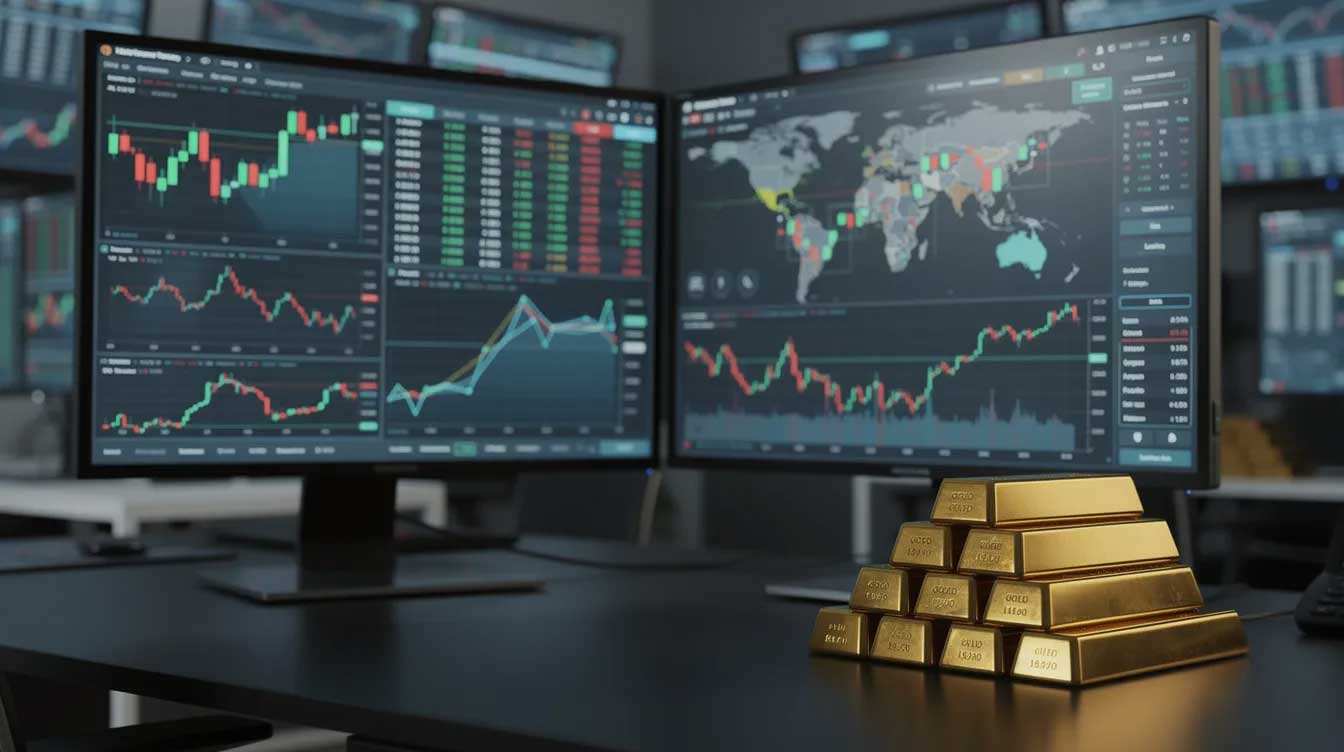
Gold and silver prices have captured global attention as inflation concerns, geopolitical tensions. Come Sell Your Gold and Silver to David Stern Jewelers Today. Whether you hold bullion coins, inherited jewelry, or simply want to understand what your precious metals are worth, the value of gold and silver today reflects a market shaped by unprecedented forces. This guide breaks down current pricing, explains how spot prices work, and shows you how David Stern actively buys all your gold and silver during this volatile time in the bullion markets.
Today’s Gold and Silver Prices
The spot price of gold and silver fluctuates throughout every trading day, responding to economic news, currency movements, and investor sentiment around the world. As of March 3, 2026, gold has recently traded in a range of $5,154 to $5,365 per troy ounce, while silver prices have moved between $82 and $94 per ounce reflecting significant intraday volatility amid broader precious metals liquidation events.
When we reference “spot price,” we mean the benchmark per troy ounce for .9999 fine gold and .999 fine silver in the global market. This is the price at which metal trades for immediate delivery, set primarily through the london bullion market association and COMEX futures settlements.
During this volatile time in the bullion markets, David Stern actively buys all forms of gold and silver based on the live spot price plus or minus a fair margin. Here’s what you need to know about current pricing:
- Gold spot price has shown a staggering 78% to 84% year-over-year surge, climbing from approximately $2,917 per ounce one year ago to over $5,100 today
- Silver has gained over 160% in the same period, rising from around $31.69 to current levels near $82-$94 per ounce
- Intraday swings of 2-4% have become common, with gold dropping over 4% in single sessions before stabilizing
- Platinum and palladium prices have also experienced sharp moves, with platinum near $2,100 and palladium around $1,641 per ounce
- The bid ask spread on physical bullion can vary based on form, purity, and market conditions
- Prices are quoted in us dollars per troy ounce (31.1035 grams), distinct from standard avoirdupois ounces
Live Gold, Silver and Other Precious Metal Prices
Live spot prices for gold silver platinum palladium update every few seconds during global market hours, providing real-time insight into what your precious metals are worth at any given moment. Major trading centers in New York, London, and Asia ensure that live gold and silver platinum palladium pricing remains accessible nearly 24 hours a day, five days a week.
Interactive price charts typically display bid, ask, and last trade prices for each metal in U.S. dollars per troy ounce. The bid price represents what buyers are willing to pay, while the ask price shows what sellers are demanding—the difference between them forms the bid ask spread.
Reputable dealers and platforms display live charts covering multiple timeframes:
- Intraday views (24-hour) showing minute-by-minute movements
- Short-term charts (1-week, 1-month) revealing recent trends
- Medium-term views (1-year, 5-year) capturing major market cycles
- Long-term historical data (10-year and beyond) demonstrating purchasing power preservation
Here’s how to use this live data in practice:
- Check the current price before visiting any buyer to establish your baseline expectations
- Compare the live spot against what buyers offer to understand their margin
- Track patterns over several days if you’re not in a rush to sell
- Use historical price charts to gauge whether current levels represent relative highs or lows
- Remember that the fastest updates online come from platforms connected directly to major exchanges
- Note that other precious metals like platinum and palladium follow similar pricing conventions
Understanding Gold and Silver Spot Prices
The spot price represents the current market price for immediate settlement of gold or silver on major exchanges such as COMEX in New York and through the london bullion market association fix in London. This is distinct from futures prices, which represent contracts for delivery at a future date and are often used for hedging by miners, refiners, and financial institutions, and current spot gold price trends help illustrate how quickly these markets can react to changing conditions.
When you see gold and silver prices quoted on financial websites, you’re typically seeing the spot price—the benchmark that professionals use worldwide. Here’s what makes spot pricing work:
- Spot prices reflect trades happening right now for physical delivery within two business days
- Futures prices can trade at a premium or discount to spot depending on interest rates and storage costs
- Global spot prices are effectively uniform worldwide when converted back to us dollars, though local taxes and currency exchange rates affect what consumers actually pay
- The closing price on daily charts represents where the market settled at the end of the trading session
- Spot quotes assume standard purities: .9999 fine gold and .999 fine silver
- Retail coins and bars are priced as spot plus a premium that covers minting, distribution, and dealer margins
- Conversions to british pounds, swiss francs, canadian dollars, or australian dollars are straightforward using current exchange rates
The gold market operates continuously across time zones, meaning that when performing security verification on any price quote, you should note the exact timestamp to ensure accuracy.
Key Factors Driving the Value of Gold and Silver Today
The value of gold and silver today reflects a complex interplay of supply, demand, monetary policy, and investor sentiment. Events from 2020 through 2025—including the Covid-19 pandemic, the 2022 Ukraine invasion, persistent inflation, and banking sector stress—have pushed gold above $5,000 per ounce and propelled silver to levels not seen in decades, signaling a major gold price trend shift in 2025.
Understanding what moves precious metals prices helps you make informed investment decisions about when to buy or sell:
- Monetary policy and inflation: Central banks printing money and maintaining low interest rates push investors toward gold as a hedge against currency debasement. The Federal Reserve’s policies directly influence gold price movements, with anticipated rate cuts historically supporting higher precious metals prices, even when gold prices are easing in the short term.
- Geopolitical risk and safe-haven demand: Wars, banking crises, sanctions (including SWIFT exclusions), and financial uncertainty drive capital into physical precious metals. Central banks added record tonnage to their reserves in 2025, treating gold as “non-risky” compared to dollar-denominated assets, contributing to gold prices surging past $3,300 amid the US debt crisis.
- Industrial demand for silver: Silver’s critical role in solar photovoltaics (enabling 95%+ efficient panels), electronics, electric vehicles, and 5G infrastructure creates structural deficits as mining output lags. This industrial demand is projected to grow 15-20% annually through 2030, as shown by recent silver prices soaring past key levels.
- Supply constraints: Mine production disruptions, declining ore grades, and limited new discoveries restrict supply. Recycling and scrap flows—including people selling jewelry to buyers like David Stern—help bridge the gap but cannot fully offset growing demand.
- Currency movements: A weakening U.S. dollar typically supports higher gold and silver prices in dollar terms, while sudden dollar rallies can create temporary price pressure, as seen in recent volatile sessions.
- Investor sentiment: When stock prices become volatile and traditional investments feel risky, precious metals attract capital as a portfolio diversifier. Investor sentiment indexes for gold have reached all-time highs during recent market stress, encouraging many investors to seek cash for gold by maximizing their sale prices.
Gold and Silver Price Charts and Timeframes
Price charts serve as essential tools for understanding where the gold market and silver market have been—and where they might head. Charts ranging from 24-hour to 10-year (and sometimes 50- or 100-year) views each serve distinct purposes for different types of analysis.
When examining historical price charts, consider what each timeframe reveals:
- Short timeframes (24 hours, 7 days): These charts show intraday volatility, price reactions to news releases, and the spread between bid and ask prices. Useful for timing a sale or purchase within a narrow window.
- Medium timeframes (1-5 years): These views help investors see cycles around major events. For example, gold’s surge past $5,000 in January 2026 to an all-time high of $5,589-$5,608 becomes visible in this context, as does the subsequent 2.28% daily correction, underscoring why gold price trends can make specific years ideal for selling.
- Long timeframes (10+ years): Historical data over decades reveals how gold and silver preserve purchasing power across inflation cycles, currency devaluations, and economic regimes. Gold more than doubling from $2,624 to over $5,400 in just 12 months demonstrates the metal’s potential for rapid appreciation.
- Daily closing prices vs. intraday extremes: The closing price reflects where the market settled after a full session, while intraday highs and lows capture extreme sentiment moments. Silver’s plunge to its lowest levels in weeks before recovering 5.77% intraday illustrates this dynamic.
- Comparing metals: Viewing gold, silver, platinum and palladium on the same chart reveals relative performance. Silver’s higher beta to gold means it typically outperforms during rallies but falls harder during corrections, which is crucial for anyone looking to sell gold in Boca Raton based on relative strength between metals.
Using Gold and Silver in Your Investment Strategy
Gold and silver have served as long-term stores of value for millennia, offering portfolio diversification beyond traditional stocks, bonds, and real estate. Their negative correlation with equities during crises makes them valuable insurance for many investors seeking to protect wealth.
Here’s practical guidance for incorporating precious metals into your strategy, including how to maximize your profits when selling gold for cash:
- Dollar-cost averaging: Buy small, regular amounts of physical bullion—coins or bars—regardless of short-term price moves. This approach smooths out volatility and removes the pressure of timing the market perfectly while still benefiting from the broader gold market shift underway in 2025.
- Physical vs. paper products: Owning physical gold and silver eliminates counter-party risk that exists with ETFs, futures, or mining stocks. Physical bullion requires no performing security verification against exchange solvency or management decisions, though it does require secure storage.
- Track both spot and buyback prices: Before making large purchases or sales, understand the difference between what dealers charge (ask) and what they pay (bid). This spread affects your real returns.
- Consider your time horizon and risk tolerance: Precious metals work best as long-term holdings. Short-term traders face challenges with spreads and storage costs that can erode returns.
- Storage options matter: Evaluate home safes versus secure vaulting services. Professional storage typically costs 0.5-1% annually but offers insurance and security service protection that home storage cannot match—something reputable buyers like the best gold and jewelry buyers in Boca Raton can also help you evaluate.
- Maintain liquidity awareness: Large physical lots can be harder to sell quickly than smaller denominations. Consider keeping some holdings in widely recognized coins for easier transactions.
How Spot Price Translates to What You Actually Receive
Consumers rarely buy or sell exactly at the spot price. When you purchase gold or silver, dealers add premiums above spot. When you sell, buyers like David Stern offer the spot price minus a processing margin—or in competitive markets, sometimes at or very close to spot for pure bullion.
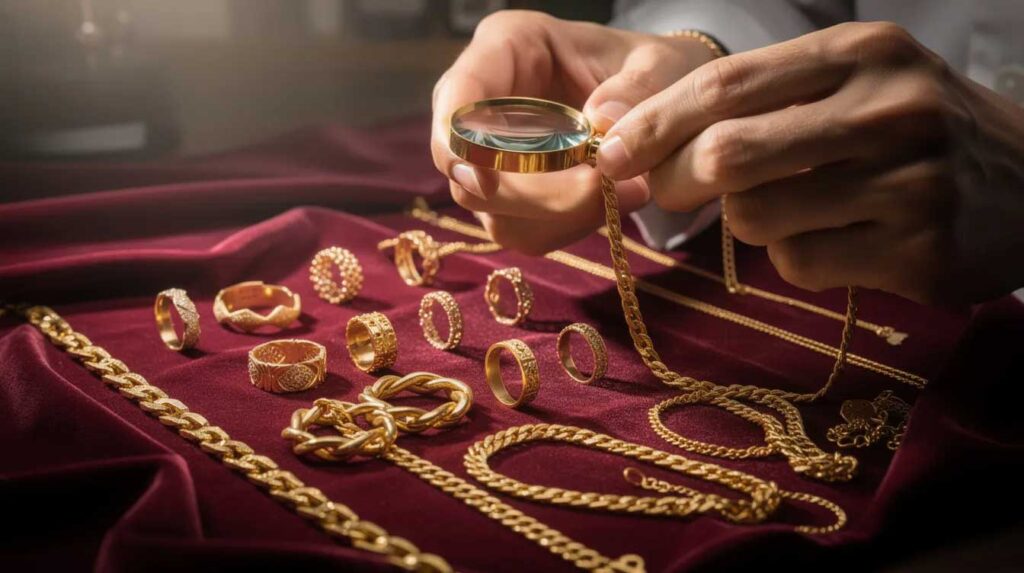
Here’s what to expect when you bring items to a professional buyer such as one of the best gold and jewelry buyers in Boca Raton:
- Bid price defined: This is what a buyer like David Stern is willing to pay for your gold or silver. It’s based on the live spot price at the moment of transaction, adjusted for the specific form and purity of your items.
- Ask price defined: This is what dealers charge when selling metal to you. The difference between bid and ask creates the dealer’s operating margin.
- Premiums on coins vs. bars: Government-minted coins (American Gold Eagles, Silver Maple Leafs, etc.) carry higher premiums when purchasing but also command better prices when selling compared to generic bars or rounds. The commodity form matters and directly affects how much cash for gold you ultimately receive.
- Condition and purity adjustments: Broken jewelry, scrap, and lower-karat gold are paid based on actual metal content after testing. A 14-karat gold ring contains only 58.3% pure gold, so its value reflects that proportion of the current price.
- David Stern’s transparent approach: Offers are based on the live spot price at the exact moment of transaction, adjusted only for verified purity, form, and small processing margins. No hidden fees or arbitrary deductions.
- What silver worth depends on: For silver items, weight and purity determine value. Sterling silver (92.5% pure) pays less per ounce than .999 fine silver bullion, especially during periods when silver prices soar past major resistance levels.
Why David Stern Is Buying All Your Gold and Silver Now
Current market volatility and sustained demand for physical bullion have created an exceptional opportunity for individuals to convert unused gold and silver into cash. With gold up over 80% year-over-year and silver more than doubling, items sitting in drawers and safe deposit boxes have never been worth more in dollar terms.
David Stern actively buys all types of gold and silver in Boca Raton—and here’s why this matters to you if you’re ready to sell your gold locally:
- Comprehensive buying: From bullion coins and bars to old jewelry, dental gold, flatware, and scrap, David Stern Jewelers purchases all forms of precious metals at rates tied directly to live spot prices. No item is too small or unusual.
- Market expertise: Because David Stern focuses solely on the bullion markets, he closely tracks real-time COMEX and london bullion market association pricing to make strong, competitive offers, supported by continuous monitoring of today’s gold market trends. This specialization means you receive fair value based on actual market conditions.
- Lock in current strength: With gold trading near historic highs and forecasts from JPMorgan targeting $6,300 by year-end, some sellers prefer to secure profits now rather than risk potential corrections. Market experts like Hiren Chandaria of Monetary Metals note that while pullbacks may occur, they tend to be short-lived given macro drivers.
- Transparency in transactions: Check the latest spot price before visiting, then compare it with the per-gram or per-ounce offer you receive. David Stern welcomes this comparison because competitive offers build trust and repeat business.
- Immediate payment: Unlike consignment or delayed payment arrangements, selling to David Stern means receiving payment at the time of transaction based on current market rates, mirroring the streamlined process outlined for maximizing your profits when selling gold for cash.
When security verification successful on your items’ authenticity and purity, you’ll receive a clear explanation of how your offer was calculated relative to that day’s market—an approach reflected in customer reviews of David Stern Jewelers’ professionalism and honesty.
The value of gold and silver today reflects years of monetary expansion, geopolitical uncertainty, and growing industrial demand converging in a historic bull market. Whether you’re looking to buy gold as a long-term hedge or sell existing holdings to capitalize on record prices, understanding how spot prices work puts you in control.
David Stern buys all your gold and silver during this volatile time with the bullion markets—offering transparent, market-based pricing for coins, bars, jewelry, and scrap. Visit David Stern Jewelers after you check today’s live spot prices to bring your precious metals in for a competitive offer based on exactly what the market is paying right now.
Frequently Asked Questions About the Value of Gold and Silver
Why does the value of my gold jewelry differ from the quoted spot price?
Jewelry is rarely pure gold. For example, a 14K piece contains 58.3% gold, and an 18K piece contains 75% gold. Your payment reflects the actual gold content by weight, not the original retail price which includes labor, design, and brand markup. David Stern calculates offers based on verified purity and current spot rates.
Can I track the price in currencies other than U.S. dollars?
Yes. Most live price platforms display conversions to major currencies including euros, British pounds, Canadian dollars, Australian dollars, and Swiss francs. However, U.S. dollars remain the base currency for global precious metals trading, so all other quotes derive from the USD spot price plus currency conversion.
How often do gold and silver prices change?
Precious metals trade nearly 24 hours a day, five days a week across global markets. Prices can change every few seconds during active trading hours. Major economic news releases, central bank announcements, and geopolitical events can trigger rapid moves—for example, silver moved 12% in a single session during recent volatility.
Is now a good time to sell my gold or silver?
It depends on your personal cash needs and recent price history. With gold up 78-84% and silver up 160% year-over-year, current prices represent significant gains for anyone who acquired metals at lower levels. David Stern Jewelers can provide current market-based quotes so you can make informed investment decisions based on real numbers rather than speculation.
How can I avoid malicious bots or scams when checking prices online?
Stick to reputable sources such as major financial news sites and established bullion dealers for live prices. Some sites use security measures like respond ray ID verification to protect against automated manipulation. When in doubt, verify prices across multiple sources before conducting any transaction, and consider working with a full-service jeweler like David Stern Jewelers in Boca Raton for in-person confirmation of value.
Do platinum and palladium follow similar pricing patterns to gold and silver?
Yes. Palladium and platinum prices are quoted per troy ounce based on purity, similar to gold and silver. These metals have both industrial and investment demand, though their markets are smaller and can be more volatile than gold and silver, and they can experience short-term pullbacks similar to periods when gold prices are easing.