
If you are clearing out a jewelry box, the first question is usually simple: what jewelry can you sell, and what is each piece actually worth? The answer depends on the item. A gold chain is valued very differently from a pair of diamond earrings, and a luxury watch is valued differently again.
This guide goes item by item. It explains how buyers value each common type of jewelry, what raises or lowers an offer, and what to check before you sell a gold chain, sell diamond earrings, sell a tennis bracelet or sell a luxury watch. For the wider question of what to do with pieces you no longer wear, see our guide to selling unused jewelry.
What Jewelry Can You Sell? The Short Answer
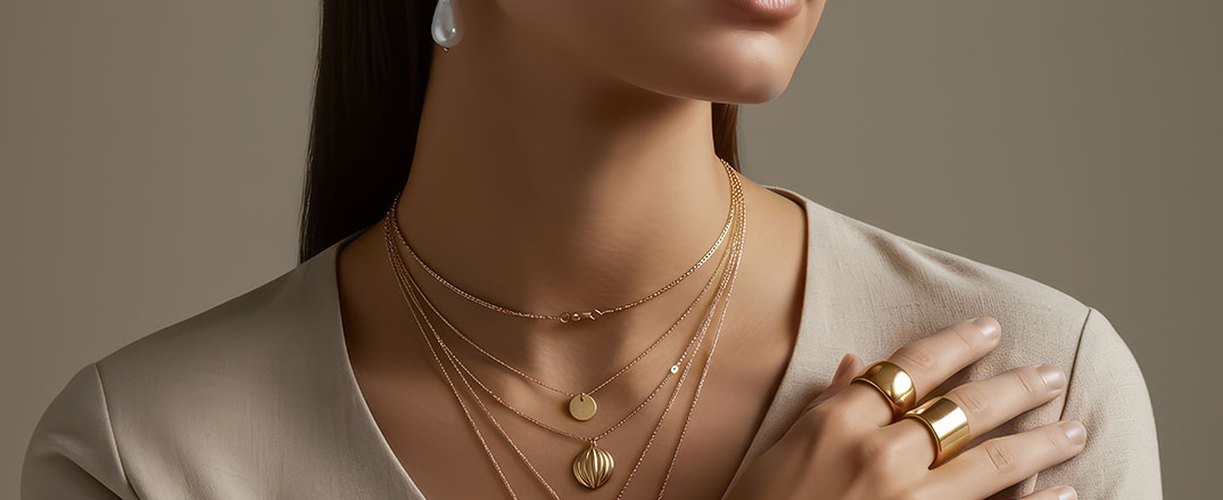
Almost any fine jewelry can be sold: gold, platinum and silver pieces, diamonds and colored gemstones, pearls, watches, coins, and even broken or single pieces. What you cannot usually sell for much is costume jewelry made from plated base metal and glass. Here is how the main categories are valued:
| Item | Valued mainly on | Watch for |
|---|---|---|
| Gold chains and bracelets | Gold weight and karat | Hollow vs solid, designer names |
| Diamond earrings | Diamond grades and matching | Total vs per-stone weight, lab grown |
| Tennis bracelets | Metal weight plus diamonds | Many small stones add less than expected |
| Luxury watches | Brand, model, condition, papers | Polishing and missing boxes lower value |
| Rings | Center stone, then metal | Grading reports, signed mountings |
| Pearls | Type, size, luster, matching | Natural vs cultured |
| Coins and bars | Gold or silver content | Collectible coins worth more |
So when people ask what jewelry can you sell, the honest answer is nearly all of it; what changes is how it is priced. The sections below go through each item.
How to Sell a Gold Chain
Chains are among the most common pieces people sell, and among the easiest to value. When you sell a gold chain, the offer is based almost entirely on its gold content: the weight in grams, multiplied by the purity of its karat, multiplied by the day’s gold price.
A few details make a real difference:
- Solid or hollow. Hollow chains look bold but contain far less gold. Two chains that look identical can differ by half their weight.
- Karat. Look for 10K, 14K, 18K or 417, 585, 750 near the clasp. An 18k chain holds nearly twice the gold of a 10k chain of the same weight.
- The clasp. Clasps often contain a steel spring, so a good buyer weighs or discounts it separately.
- Designer chains. Signed chains from well-known houses can be worth more than their gold.
Broken and tangled chains are worth exactly the same as intact ones on their gold content, so there is no need to repair them before you sell a gold chain. At about $4,250 an ounce in September 2026, a 20-gram 14k chain contains roughly $1,599 of pure gold before a buyer’s margin.
Gold Bracelets, Bangles and Charms
Gold bracelets and bangles are valued the same way you would sell a gold chain: by weight and karat, unless they carry a designer signature. Bangles are often hollow, especially wide ones, so they can weigh far less than they look.
Charm bracelets deserve a closer look. The bracelet itself may be gold-filled while individual charms are solid gold, or the other way round, so each part should be tested. Enamel or gem-set charms, and charms from well-known makers, can be worth more than their gold alone.
How to Sell Diamond Earrings
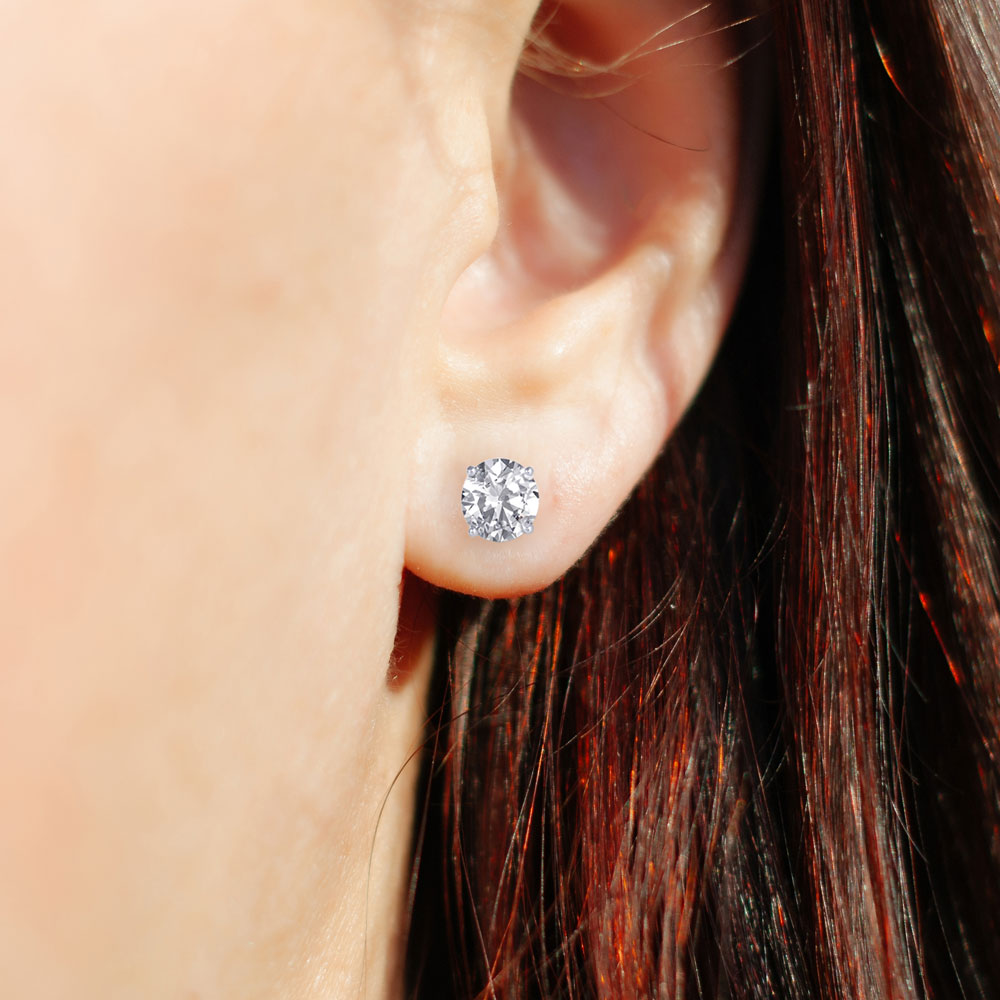
When you sell diamond earrings, the value is mostly in the stones rather than the metal. Each diamond is graded on its cut, color, clarity and carat weight; GIA’s guide to diamond quality explains what each grade means.
Earrings raise questions that rings do not:
- Total vs per-stone weight. “One carat studs” usually means one carat total, or half a carat each, which is worth far less than two one-carat stones.
- Matching. Well-matched pairs are worth more than two unrelated stones of the same size.
- Natural or lab grown. Lab grown diamonds look the same but have very little resale value, so it matters which you have.
- Single earrings. A lone earring can still be sold; the diamond and the gold are valued on their own.
Bring any grading reports when you sell diamond earrings. Without them, the stones are graded at the counter, which takes only a few minutes for most pairs.
Diamond Pendants and Necklaces
A diamond pendant is valued much like a pair of earrings: mostly on the diamond, then on the metal of the pendant and chain. A solitaire pendant with a single well-graded stone is straightforward to price. Pendants with many small diamonds, like tennis necklaces, are worth less than their total carat weight suggests, for the same reason as bracelets.
If you are wondering what jewelry can you sell from a set, such as a pendant with matching earrings, it can be sold together or separately, and matched sets sometimes carry a small premium.
How to Sell a Tennis Bracelet
A tennis bracelet is a line of diamonds set in gold or platinum, and people are often surprised by how it is valued. When you sell a tennis bracelet, the buyer adds together the metal and the diamonds, but many small diamonds are worth much less than one large stone of the same total weight.
That is because small diamonds, often called melee, are plentiful and cheap to replace. A five-carat tennis bracelet made of fifty small stones is worth far less than a single five-carat diamond. The metal weight, the quality and matching of the stones, the clasp and any designer signature all shape the final offer.
Check the clasp and safety catch before you sell a tennis bracelet, and bring the original paperwork if you have it; it usually states the total carat weight and the metal.
How to Sell a Luxury Watch
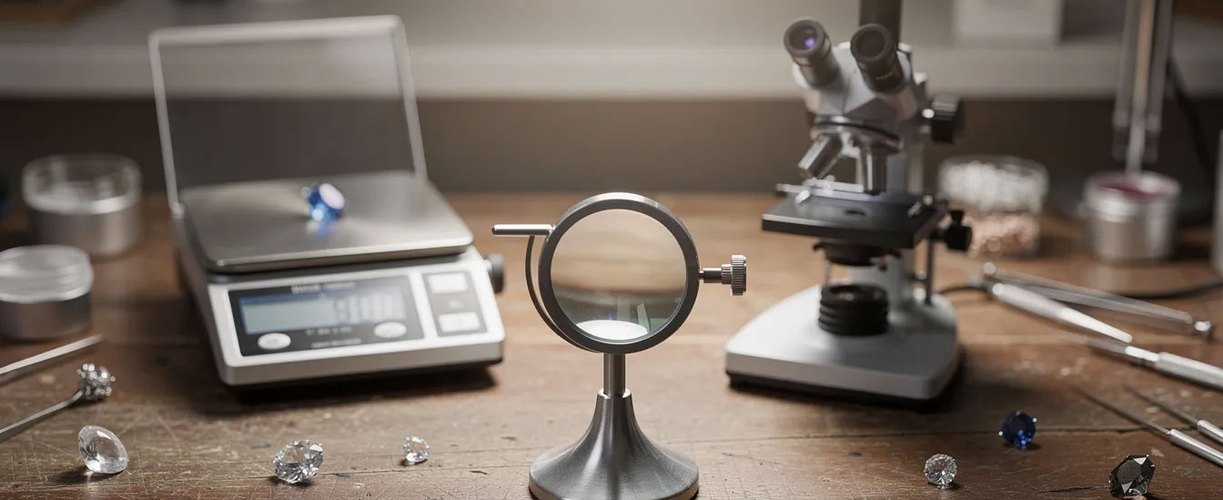
Watches follow their own rules. When you sell a luxury watch, the value comes from the brand, the model and reference number, the condition, and whether the original box, papers and service records survive. A gold case adds metal value, but for most well-known brands the watch is worth far more as a watch than as gold.
- Keep the box and papers. They can make a significant difference to value.
- Do not polish the case. Collectors often prefer original, unpolished cases, and polishing removes metal and detail.
- Do not open it yourself. Leave servicing to a watchmaker.
- Bring all the links. Removed bracelet links are part of the watch.
- Note the service history. A recent service by the manufacturer can help.
If you plan to sell a luxury watch, tell us in advance if it is unusual or very valuable, so the right research can be done.
Designer and Signed Jewelry
A maker’s name can transform the value of almost any item. Signed pieces from houses such as Cartier, Tiffany & Co., Van Cleef & Arpels, Bulgari and David Yurman usually sell for more than their materials, because buyers want the name as well as the gold and stones.
That applies across categories. You might sell a tennis bracelet from a major house for far more than an unsigned one of the same weight, and you would sell a luxury watch on the strength of its brand rather than its case metal. Look for the signature and a serial number, and bring any boxes, pouches and certificates; they help confirm authenticity.
Men’s Jewelry
Men’s pieces are often overlooked when clearing out a jewelry box, but many are solid gold and heavy. Chains, signet rings, cufflinks, tie bars, money clips and class rings are all worth checking for a karat stamp. You would sell a gold chain from a man’s collection exactly like any other, by weight and karat, and many men’s chains are thick and solid.
Watches are the other big category. If you plan to sell a luxury watch from a relative’s collection, gather its box, papers and any service records first; they can make a real difference to value.
Rings and Engagement Rings
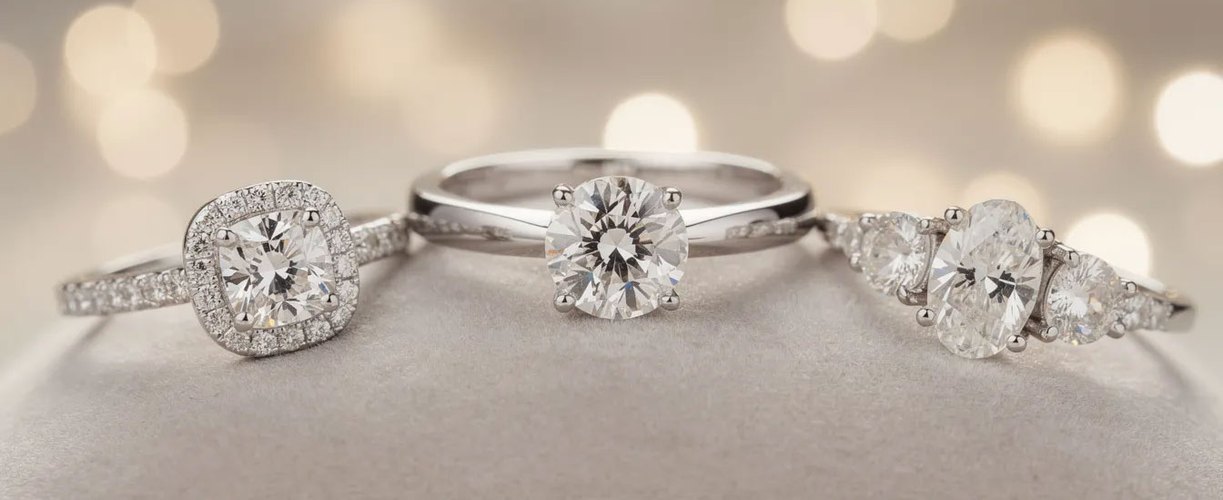
Rings are valued on their center stone first, then the metal and any side stones. A diamond with a grading report is priced more precisely, and a signed mounting from a known designer can add value. Our guide to selling diamonds explains how stones are priced, and our unused jewelry guide covers engagement rings specifically.
Platinum Jewelry
Platinum is denser and rarer than gold, and it is marked PLAT, PT or 950. Platinum wedding bands, engagement ring mountings and older Art Deco pieces are all worth checking. Like gold, plain platinum is valued on weight and purity against the platinum price, while platinum pieces with diamonds or a maker’s signature are valued as jewelry first.
Selling a Whole Collection
If you are selling many pieces at once, perhaps from an estate or a lifetime collection, sort them into groups before you visit and call ahead so enough time can be set aside. You do not have to sell everything in one go: many people sell plain gold first, then decide on the diamond and designer pieces once they know what each is worth.
Selling in stages also lets you compare offers and gives you time to decide which pieces to keep, redesign or pass on.
Colored Gemstone Rings
Sapphire, ruby and emerald rings are valued on the quality of the center stone: its color, clarity, size and whether it has been treated. Heating is common and accepted in sapphires and rubies, and oiling is common in emeralds, but untreated stones of fine color are worth much more. A laboratory report on origin or treatment can add real value, so bring one if you have it.
Other Items You Can Sell
- Pearls: valued on type, size, luster and matching; natural pearls are far rarer than cultured ones.
- Colored gemstones: sapphires, rubies and emeralds are valued on color, size, origin and treatment.
- Gold coins and bars: priced close to their gold content, unless collectible.
- Silver: sterling jewelry, flatware and coins, valued against the silver market; see how we buy silver.
- Dental gold: tested for gold content and priced on the result.
- Broken and single pieces: valued on their metal and stones, just like whole pieces.
- Antique and signed jewelry: often worth more as jewelry; see our estate jewelry guide.
What You Usually Cannot Sell
Costume jewelry made from plated base metal, glass or crystal usually has little value for its materials. Look for marks such as GP, GF, HGE or RGP, which mean gold-plated or gold-filled. The FTC’s Jewelry Guides govern how these marks are used. The exception is signed costume jewelry from collectible makers, which can sell to collectors even though the metal is worth little.
Which Items Should You Keep?
Knowing what jewelry can you sell is only half the decision; the other half is what to keep. A few pieces are often worth holding onto:
- Pieces with strong family meaning, even if their market value is modest.
- Signed or antique jewelry that may rise in value, or sell better to a collector.
- Diamond studs you might wear again; buyers pay far less than replacing them would cost.
- Pieces that could be redesigned into something you would wear.
If you decide to sell diamond earrings or other stone jewelry, remember that resale is a fraction of retail; if you might want similar earrings later, keeping them can make more sense.
Preparing Your Items
Before your visit, lay everything out and group it: plain gold, pieces with diamonds or gemstones, watches, silver, and anything signed or unusual. Put each group in its own bag. Do not clean, polish or repair anything, and leave stones in their settings. Bring reports, boxes, papers and receipts, plus a government-issued photo ID. That preparation makes the visit faster and ensures nothing valuable is weighed as scrap.
How to Get the Best Offer on Any Item
- Separate items by type, and keep diamond, watch and signed pieces apart from plain gold.
- Bring grading reports, boxes, papers and receipts.
- Do not clean, polish or repair pieces first.
- Check the gold price on the day you sell.
- Ask how each item was valued, and get the offer in writing.
Whether you sell a gold chain or a watch collection, the principle is the same: every item should be priced for what it is, not simply weighed. Our guide to the best option for cash for gold compares where to sell.
Selling at David Stern Jewelers
We have bought fine jewelry, diamonds, gold and watches in Boca Raton for over 40 years. Every item is examined in front of you and priced by type: gold by weight and karat, diamonds by grade, watches and signed pieces as what they are. If you accept, you are paid the same day; if not, everything goes home with you. Evaluations are free, and Florida law requires a photo ID for every sale.
For real customer experiences, read our independent reviews, and learn more about how we buy gold in Boca Raton.
Quick Answers
What jewelry can you sell if it is broken?
Any gold, platinum or silver piece, plus any loose or set diamonds and gemstones. Broken pieces are valued on their materials just like whole ones.
Can I sell one earring?
Yes. The diamond and the metal are valued on their own, so a single earring still has value.
Is it worth selling a watch without papers?
Yes, though papers usually add value. The watch is authenticated and valued on its condition and model.
Should I sell diamond earrings with a grading report or without?
A report helps, because it confirms the grades and speeds up valuation. Without one, the stones are graded at the counter.
Can I sell a tennis bracelet that has lost a stone?
Yes. The missing stone is simply reflected in the offer, and the remaining diamonds and metal are valued as normal.
Do you buy platinum and silver as well as gold?
Yes. Platinum and sterling silver are each valued against their own market, and pieces with stones are valued for the stones too.
What if I am not sure whether a piece is real?
Bring it in. We test unmarked metal and examine stones in front of you, and there is no charge for the evaluation.
How long does it take to value several items?
Most mixed collections take well under an hour. Gold is weighed quickly, diamonds are graded at the counter, and watches or signed pieces may need a little longer to research.
Do I need an appointment to sell jewelry?
No, you can walk in during opening hours. For a large collection, valuable watches or an estate, call ahead so we can set aside enough time.
Why is my tennis bracelet worth less than I expected?
Because many small diamonds are worth far less than one large stone of the same total weight.
Bring Your Jewelry In
Not sure what you have? Bring it all to David Stern Jewelers at 21073 Powerline Rd, #37, Boca Raton, FL 33433, Monday through Friday 9:30 to 5:30 or Saturday 10:30 to 4:30, or call (561) 994-3330. We will tell you what each piece is and what it is worth.