
Most people only think about an appraisal after something goes wrong: a ring is lost, a necklace is stolen, or an insurer asks for paperwork the owner does not have. That is exactly why to get your jewelry appraised before you need it. An up-to-date appraisal is what turns a painful loss into a claim that actually replaces the piece.
This guide explains why get your jewelry appraised at all, how jewelry insurance and a jewelry rider work, how easily jewelry ends up underinsured, and the difference in an appraisal vs grading report, so you know which document you need and when.
Why Get Your Jewelry Appraised?
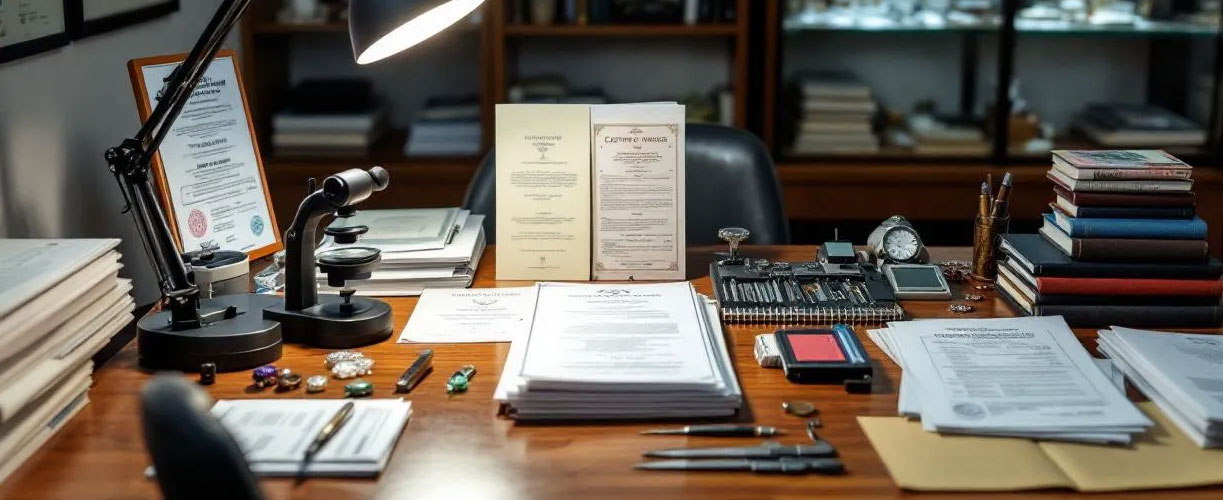
There are five main reasons, and most owners of fine jewelry will meet at least one of them:
- Insurance. An insurer needs a documented value to cover a piece properly and to settle a claim.
- Proof of what you own. After a theft or fire, a detailed report with photographs proves what was lost.
- Estates and inheritance. Executors often need a documented value for probate, taxes or dividing jewelry fairly among heirs.
- Life events. Divorce, donation and sale decisions all depend on knowing what a piece is really worth.
- Peace of mind. Knowing what you own, and what it would cost to replace, helps you decide how to wear, store and insure it.
If you are asking why get your jewelry appraised when you already have a receipt, the answer is that a receipt shows what you paid, not what replacing the piece would cost today. With gold roughly double its early-2024 price, those numbers can be far apart.
How Jewelry Insurance Works
Jewelry insurance usually comes in one of two forms. The first is the coverage built into a homeowner’s or renter’s policy. It is convenient, but most policies place a low sub-limit on jewelry, especially for theft, and many exclude simple loss, such as a stone falling out or a ring slipping off at the beach.
The second is dedicated jewelry insurance, either as a rider added to your existing policy or as a standalone policy from a specialist such as Jewelers Mutual. Dedicated coverage is written for the specific pieces you list, at the values in your appraisal, and it usually covers loss and damage as well as theft.
Whichever route you choose, the appraisal is the foundation. Without one, an insurer may cover only the basic sub-limit, or it may settle a claim at a figure well below what the piece is really worth. Read the jewelry section of your policy and ask your agent what it covers before assuming you are protected.
What Is a Jewelry Rider?
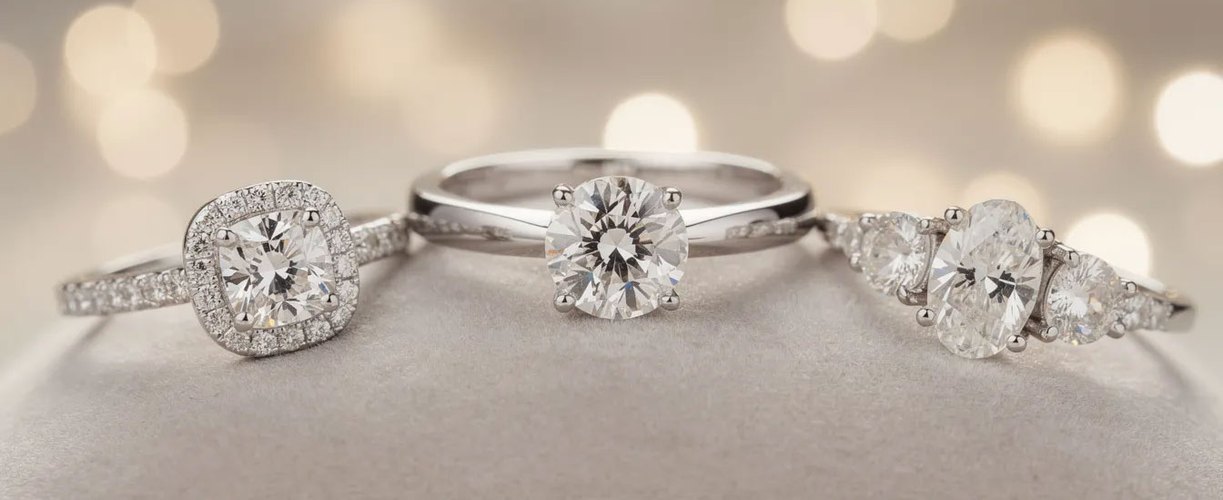
A jewelry rider, sometimes called a scheduled personal property endorsement, is an addition to a homeowner’s or renter’s policy that lists individual pieces and their values. Each scheduled item is insured for the amount stated on its appraisal, rather than falling under the general jewelry limit.
Insurers and appraisal professionals generally recommend scheduling a piece once it is worth roughly $1,000 to $2,000 or more. Engagement rings, diamond studs, watches and heirloom pieces are the usual candidates. Many carriers ask for an appraisal within 30 to 90 days of buying a new piece, so it is worth arranging one soon after a significant purchase.
A jewelry rider typically costs a small percentage of the item’s value each year, and it often has no deductible. Your agent can quote the exact figure. At our store, Jewelers Mutual coverage can be arranged as soon as your appraisal report is finished.
How Jewelry Ends Up Underinsured
Underinsured jewelry is more common than most people think, and it usually happens quietly. The three usual causes are:
- Old appraisals. A report from ten years ago reflects ten-year-old prices. Metal and gemstone markets move, and a payout is limited to the scheduled amount even if replacement costs have risen.
- Rising metal prices. With gold near $4,250 an ounce in September 2026, the metal in a heavy gold piece may cost roughly twice what it did in early 2024.
- Pieces never scheduled. Inherited or gifted jewelry often sits under the general sub-limit because nobody documented it.
The fix for underinsured jewelry is simple: update your appraisals roughly every three years, and sooner after a big change in metal prices or when you add or inherit a significant piece. Updating a recent report usually costs less than a new appraisal.
Over-insuring is a problem too. An inflated appraisal means higher premiums, and an insurer will still only pay what it costs to replace the piece. The goal is an accurate value, not a high one.
New Engagement Rings: Document Them Right Away
An engagement ring is often the most valuable piece of jewelry a couple owns, and it is worn every day, which makes it the piece most exposed to loss. It is also one of the easiest to leave uncovered, because the purchase is exciting and the paperwork feels like an afterthought.
Add a new ring to a jewelry rider as soon as you can, and get an independent appraisal to support it; many insurers give greater weight to an independent report than to a seller’s valuation. That single step is the clearest answer to why get your jewelry appraised: the ring you would least want to lose is the one most likely to be underinsured jewelry if it goes undocumented.
Inherited Jewelry Needs Attention Too
Inherited pieces are the most common source of underinsured jewelry. They arrive without receipts, often after years in a safe, and they rarely appear on anyone’s policy. Some are worth far more than their owners realize, particularly antique, signed or diamond pieces.
An appraisal identifies what each piece is and what it would cost to replace, so you can decide which ones to schedule on your jewelry insurance, which to keep, and which you might sell or redesign. Our estate jewelry guide shows how to recognize the pieces that deserve a closer look.
Appraisal vs Grading Report

People often assume a diamond certificate and an appraisal are the same thing. They are not, and understanding the appraisal vs grading report difference saves a lot of confusion with insurers.
| Grading report | Appraisal | |
|---|---|---|
| Issued by | A gemological laboratory such as GIA | A qualified jewelry appraiser |
| What it covers | The loose stone: cut, color, clarity, carat, measurements | The whole piece: stones, metal, setting, condition |
| States a value? | No | Yes, for a stated purpose |
| Used for | Identifying and describing the stone | Insurance, estates, divorce, donation, sale |
A grading report from GIA’s laboratory grading services describes a diamond’s quality characteristics with great precision, but it never states a price. An appraisal takes those characteristics, adds the metal, the setting and the craftsmanship, and assigns a value for a specific purpose. For insurance you need the appraisal; the grading report supports it.
In practice, the two work best together. Bring any grading report to your appraisal so the appraiser can confirm the stone matches it, and keep both documents with your policy. The appraisal vs grading report question is really about which question you are asking: what is this stone, or what is this piece worth?
Watches, Pearls and Colored Gemstones
Diamonds get most of the attention, but other valuables need documenting just as much. Luxury watches are valued on brand, model, reference number, condition and whether the box and papers survive, so keep those together and record the serial number. Pearls are valued on type, size, luster and matching, and natural pearls can be worth far more than cultured ones, which only a laboratory can confirm.
Colored gemstones such as sapphires, rubies and emeralds vary enormously in value with origin and treatment. A heated sapphire and an untreated one of the same size can differ several times in price, so the appraisal should note any treatment identified. The more unusual the piece, the more an accurate description matters if it ever has to be replaced.
Different Values for Different Purposes
An appraisal always states its purpose, because the right value depends on the question. An insurance appraisal states replacement value: what it would cost to buy a comparable piece new, at retail, today. A fair market value appraisal, used for estates, taxes and divorce, states what the piece would sell for between a willing buyer and seller.
The two can differ widely. The same ring may carry a $12,000 insurance replacement value and a $6,000 fair market value. Using the wrong type can leave you underinsured or cause an estate to overpay tax, so always tell the appraiser what the report is for. Our fair market value appraisals and probate appraisals cover the non-insurance cases.
What a Good Appraisal Includes
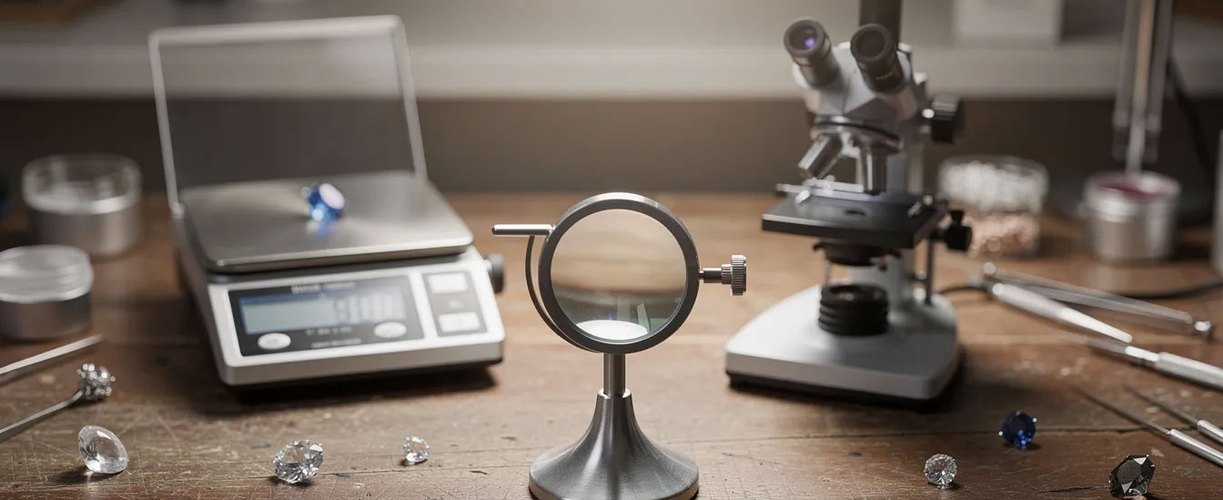
A professional appraisal for insurance should record enough detail for an insurer to replace the piece with one of like kind and quality:
- Precise weights of the metal and each stone.
- Metal type and purity, confirmed by testing.
- Stone grades for cut, color and clarity, and any treatments.
- Hallmarks, maker’s marks and designer signatures.
- Condition notes and clear photographs.
- The purpose of the appraisal, the value, and the date.
Ethical appraisers charge a flat fee per item or an hourly rate, never a percentage of the value, because a percentage fee rewards an inflated number. Our fine jewelry appraisals page explains what our reports contain.
What Insurers Usually Ask For
Requirements differ between companies, but when you schedule a piece most insurers want to see:
- A written appraisal from a qualified appraiser, usually dated within the last few years.
- A description detailed enough to replace the item, including stone grades and metal.
- Photographs of the piece.
- For new purchases, the receipt, often within a set number of days of buying.
- For diamonds over a certain size, a copy of any laboratory grading report.
Ask your agent for their exact list before your appointment so the report can be written to match it.
Filing a Jewelry Insurance Claim
If a piece is lost or stolen, the appraisal becomes the most important document you own. A typical jewelry insurance claim follows a few steps:
- Report theft to the police promptly and keep the report number; insurers usually require it.
- Notify your insurer as soon as possible and ask what they need.
- Provide the appraisal and photographs. A detailed report lets the insurer confirm exactly what was lost.
- Agree how the piece will be replaced. Many policies replace the item with one of like kind and quality rather than paying cash, sometimes through a jeweler of their choosing.
A current appraisal speeds all of this up and removes most of the arguments. Without one, a jewelry insurance claim can stall on the basic question of what the piece actually was. If you have a jewelry rider, check whether it lets you choose the jeweler who makes the replacement.
Protecting Jewelry at Home and While Traveling
Insurance is the safety net, but prevention matters too. Keep valuable pieces in a safe or a secure location, and do not leave them on sinks, nightstands or in hotel rooms. Photograph each piece from several angles and store the photos, with copies of your appraisals, somewhere outside the house or in the cloud.
When traveling, bring only the jewelry you will wear, keep it in your carry-on rather than checked luggage, and check whether your jewelry insurance covers you away from home. Have prongs checked before a trip; a loose stone is the most common way a diamond is lost.
Keeping Your Records
Keep a simple file for each significant piece: the appraisal, any grading report, the purchase receipt, photographs and the policy page that lists it. Store digital copies too. When the appraisal vs grading report question comes up with an insurer, you will have both documents ready, and when it is time to update an appraisal, the earlier report gives the appraiser a useful starting point.
How Often Should Jewelry Be Re-Appraised?
A good rule is roughly every three years for pieces you wear and insure. Update sooner if metal prices have moved sharply, if you have had a piece repaired or altered, or if your insurer asks. Keep the old reports too: they show how a piece’s value has changed over time and help if a claim is ever disputed.
Appraisals at David Stern Jewelers

Our appraisals are prepared by GIA Graduate Gemologists, and every examination happens in the store, in front of you, so nothing leaves your sight. Most contemporary pieces are appraised while you wait, with the report emailed the same day; antique pieces and large collections take longer, and we say so before we start.
A basic insurance appraisal of a single contemporary item generally starts around $120 to $150, with additional items in the same visit usually discounted, and we quote before we begin. Learn more about our jewelry appraisals in Boca Raton, read the jewelry appraisal FAQ, or schedule your appraisal.
Quick Answers
Do I need an appraisal if I have a receipt?
Usually, yes. A receipt shows what you paid, which may be above or below today’s replacement cost, and it lacks the detail an insurer needs to replace the piece.
Is a GIA certificate the same as an appraisal?
No. A GIA report grades the stone but never states a value. An appraisal values the whole piece for a specific purpose.
When should I add a piece to a jewelry rider?
Generally once it is worth roughly $1,000 to $2,000 or more, and soon after purchase, since many carriers ask for documentation within 30 to 90 days.
How do I know if my jewelry is underinsured?
Check the date and values on your appraisals. If they are more than three years old, or gold has risen sharply since, your coverage may be too low.
Does a jewelry rider cover a lost stone?
Many scheduled jewelry policies cover loss as well as theft and damage, including a stone falling out, but terms vary. Check your policy wording or ask your agent.
Can I get an appraisal for jewelry I did not buy from you?
Yes. We appraise jewelry from any source, including inherited pieces, gifts and items bought elsewhere.
Do I need to be there for the appraisal?
Yes, with the jewelry. Every examination is done at the counter in front of you, so the pieces never leave your sight and you can ask questions as the work is done.
What does an insurance appraisal cost?
A basic insurance appraisal of a single contemporary item generally starts around $120 to $150, and additional items in the same visit are usually discounted. We always quote before we begin, and we never charge a percentage of the value.
How long does an appraisal take?
Most standard pieces are done while you wait. Antique pieces and large collections can take several business days.
Protect What You Own
Now you know why get your jewelry appraised before you ever need to file a claim. Visit David Stern Jewelers at 21073 Powerline Rd, #37, Boca Raton, FL 33433, Monday through Friday 9:30 to 5:30 or Saturday 10:30 to 4:30, or call (561) 994-3330 to book a time. Bring your jewelry and any receipts, previous appraisals or grading reports you have.