
There are more ways to turn gold into money than most people realize, and they pay very differently. Finding the best option for cash for gold comes down to three things: how much of the gold’s value you keep, how quickly you are paid, and how much risk you take along the way. With gold near $4,250 an ounce in September 2026, the gap between a good choice and a poor one can be hundreds of dollars on a single bag of jewelry.
Below we compare every common route: a local jeweler, a pawn shop, a mail-in buyer, a gold party, a refinery, and selling gold privately. We also explain how to check that you are dealing with a licensed gold buyer, which Florida law makes easy.
The Best Option for Cash for Gold, at a Glance
| Option | Speed | Typical share of value | Main risk |
|---|---|---|---|
| Local jeweler / gold buyer | Same day | Good, and you can watch the testing | Choosing a buyer who does not show the math |
| Pawn shop | Same day | Usually lower | Low offers; loans confused with sales |
| Mail-in buyer | Days to weeks | Varies widely | Gold leaves your hands before you see an offer |
| Gold party | Same evening | Often low | Social pressure, host commissions |
| Refinery | Weeks | High, on large lots only | Minimums, assay fees, not built for jewelry |
| Selling gold privately | Unpredictable | Best for designer pieces | Fees, fraud and personal safety |
For most people with ordinary gold jewelry, coins or scrap, the best option for cash for gold is a local, licensed buyer who tests and weighs in front of you and pays the same day. The rest of this guide explains why, and when one of the other routes makes sense.
Option 1: A Local Jeweler or Gold Buyer
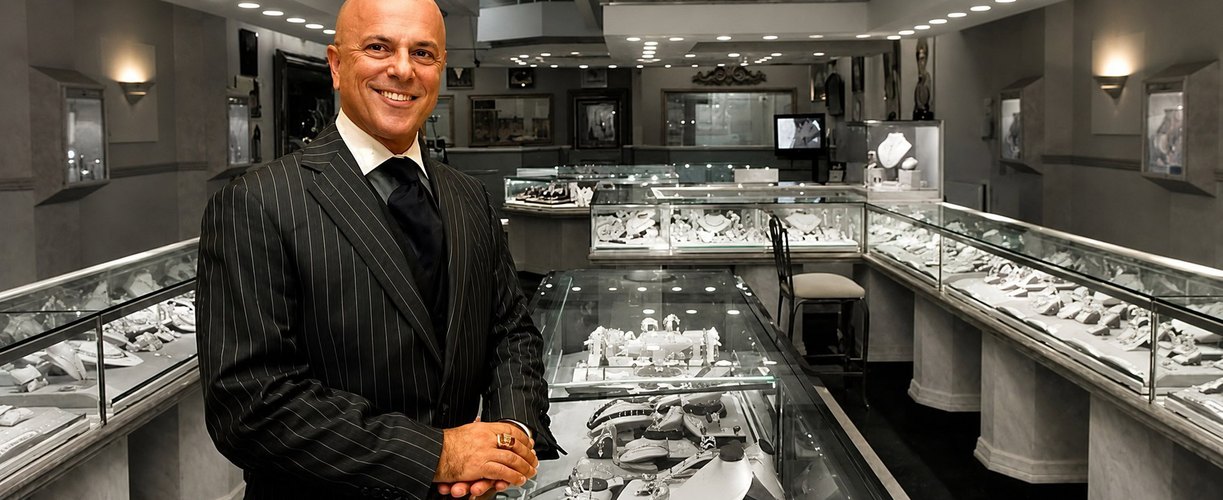
Selling to a local jeweler or dedicated gold buyer means your gold never leaves your sight. The buyer tests each piece, weighs it by karat, and quotes against the day’s spot price while you watch. If you accept, you are paid on the spot; if not, you walk out with everything.
A jeweler has one advantage a pure gold buyer lacks: they can recognize when a piece is worth more as jewelry than as metal, such as a signed bracelet, an antique brooch or a ring with a good diamond. Those pieces should be priced as jewelry, not melted.
The risk is simply choosing a buyer who will not explain the offer. Ask for the weight of each karat group, the spot price used and the percentage of melt you are being paid. A good buyer answers all three without hesitation.
Option 2: A Pawn Shop
Pawn shops pay cash quickly, but their business model works against sellers of gold. Much of their income comes from loans, and when they buy outright they need a wide margin to cover resale and risk. Offers are usually lower than a dedicated buyer’s.
Be clear about whether you are selling or pawning. A pawn is a loan secured by your gold; if you do not repay it with interest by the deadline, you lose the item. For a straight sale, a pawn shop is rarely the best option for cash for gold. Our comparison of jewelers and pawn shops goes into more detail.
Option 3: A Mail-In Buyer
Mail-in buyers send you an envelope, you post your gold, and they mail back an offer or a check. It is convenient if there is no reputable buyer nearby, but it reverses the normal order: your gold is in someone else’s hands before you know what they will pay.
If you do use one, photograph and weigh everything before sending, read how long you have to reject an offer, and find out whether items are held or melted while you decide. Florida sets specific identification and record-keeping rules for mail-in precious metals dealers, so a legitimate one will ask for your ID and a signed ownership statement before paying.
Option 4: A Gold Party
A gold party is a gathering in someone’s home where a buyer weighs and pays for guests’ gold, and the host earns a commission on what is bought. It feels friendly and relaxed, which is exactly why it can be expensive.
At a gold party the scale, the testing and the offer all happen quickly in a social setting, and few people want to argue about price in front of friends. The host’s commission also has to come from somewhere, usually the payout. If you attend one, treat it as a free first quote and compare it with a local buyer before selling.
A good rule for any gold party: ask what percentage of the day’s spot price is being paid, and whether the scale reads grams or pennyweights. If the answers are vague, keep your gold.
Option 5: Sell Gold to a Refinery
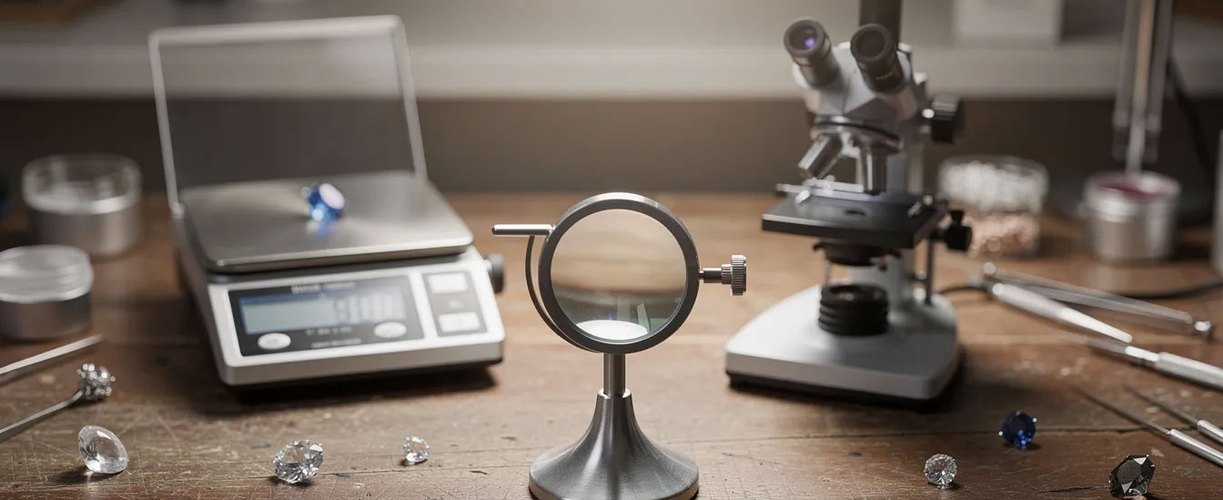
Refiners melt gold down and turn it back into pure bars, so it is natural to wonder whether you can sell gold to a refinery directly and skip the middleman. For most people the answer is no, or not profitably.
Refineries are built for large lots from jewelers, manufacturers and dealers. Many have minimum quantities, charge assay and processing fees, and pay only after the metal is melted and tested, which can take weeks. When you sell gold to a refinery with a small amount of jewelry, those fees and delays can leave you with less than a good local buyer would pay the same day.
It can make sense to sell gold to a refinery if you have a very large quantity of scrap or dental gold and the patience to wait. Otherwise, a local buyer that sends its own lots to a refiner does that work for you.
Option 6: Selling Gold Privately
Selling gold privately, through online marketplaces, auction sites or classified ads, can pay the most for the right piece. A designer necklace, a signed watch or a genuinely antique ring may sell to a collector for far more than its gold content.
For ordinary gold, selling gold privately is usually a poor trade. Buyers expect to pay below spot, marketplace fees can take 10% or more, and you carry the risk of counterfeit payments, disputed deliveries and meeting strangers with valuables. Never meet a buyer alone or at home, and never ship before payment has cleared.
A sensible middle path: sell plain gold to a local buyer for its metal value, and consider selling gold privately only for the few pieces that have real design or collector value. A jeweler can tell you which pieces fall into which group.
Coins, Bars, Dental Gold and Jewelry: Where Each Sells Best
The best option for cash for gold also depends on what you are selling. Different kinds of gold suit different buyers:
- Bullion coins and bars. American Eagles, Maple Leafs, Krugerrands and branded bars trade close to spot because no refining is needed. A local buyer or coin dealer will usually pay near the market.
- Collectible coins. Rare dates and coins in top condition can be worth far more than their gold. Get them looked at before anyone treats them as bullion.
- Everyday and broken jewelry. Chains, single earrings and dated rings are valued on their gold content. A local buyer who tests and sorts by karat is almost always the right choice.
- Designer, antique and diamond jewelry. These can be worth more intact. A jeweler can price them as jewelry, and some may suit selling gold privately to a collector.
- Dental gold. Crowns and bridges vary widely in gold content, so they need testing rather than a flat price by weight.
Many people bring a mix of all five. That is another reason a jeweler who buys gold is often the best option for cash for gold: one visit can separate the melt pieces from the pieces worth more, instead of treating everything as scrap.
How to Check You Are Using a Licensed Gold Buyer

In Florida, anyone in the business of buying secondhand goods, including gold and jewelry, must register as a secondhand dealer with the Florida Department of Revenue under Chapter 538 of the Florida Statutes. Registration requires fingerprints and a background check, and each store location is registered separately.
A licensed gold buyer will also follow the rest of the law, which is how you can spot one:
- They ask for a government-issued photo ID before paying.
- They take a right thumbprint and have you sign a statement that you own the items.
- They record and photograph what they buy and report it to local law enforcement.
- They hold precious metals and jewelry for 30 days before melting or reselling them.
If a buyer offers to skip the ID or the paperwork, that is not a favor; it is a sign they are not a licensed gold buyer. You can ask to see the registration, and any established store will have it.
Red Flags, Whichever Option You Choose
Wherever you sell, watch for these warning signs:
- No visible scale. You should see the weight of every group, in grams.
- Everything weighed together. Mixing 10k and 18k lets a buyer price it all as the lower karat.
- “We pay 100% of spot.” No legitimate buyer does; ask how the offer is really calculated.
- Pressure to decide now. A fair offer will still be fair tomorrow, adjusted for the market.
- No ID and no paperwork. In Florida that means the buyer is not following the law.
- No written record. Always leave with the weight, karat and price paid in writing.
These apply equally to a storefront, a gold party or a website. The best option for cash for gold is simply the one that passes every check.
How Cash for Gold Offers Are Calculated
Whichever route you choose, every fair offer starts from the same place: the global spot price, set in markets such as London, where the LBMA publishes the benchmark twice a day. From there the buyer works out the pure gold in your pieces:
- Weigh each karat group in grams.
- Multiply by the purity: 0.417 for 10k, 0.585 for 14k, 0.75 for 18k.
- Multiply by the spot price divided by 31.1035, the grams in a troy ounce.
At $4,250 an ounce, 20 grams of 14k gold contains about $1,599 of pure gold. No buyer pays the full melt value, because refining and handling cost money. What separates the best option for cash for gold from the rest is the percentage paid and whether the buyer shows it to you. Our guide to how to sell gold walks through a full offer.
Selling Gold From an Estate
Executors and families clearing an estate face the same choices, with two extra considerations. First, the person selling must be entitled to sell, so bring your ID and the paperwork showing your authority over the estate; a licensed gold buyer will ask for it.
Second, estates often contain pieces worth far more than their gold: signed jewelry, antique work, diamonds and collectible coins. Before choosing the best option for cash for gold, have the collection sorted by someone who can recognize those pieces. If the estate needs a formal valuation for probate or tax purposes, a written jewelry appraisal comes first, and the plain gold can be sold afterwards.
Taking the time to separate the two groups is the single biggest way an estate avoids selling a valuable piece for scrap.
What to Bring When You Sell
A little preparation makes any sale faster and fairer. Bring a valid government-issued photo ID, which Florida law requires. Bring all your gold at once, even broken pieces and single earrings, and keep anything signed, antique or set with stones in a separate bag so it gets a closer look.
If you have receipts, appraisals or grading reports for diamond or designer pieces, bring those too. Do not remove stones or try to clean off solder or porcelain; a jeweler can work around them. And check the spot price that morning, so you have your own reference point before you hear any number.
Why Local Sellers Choose David Stern Jewelers
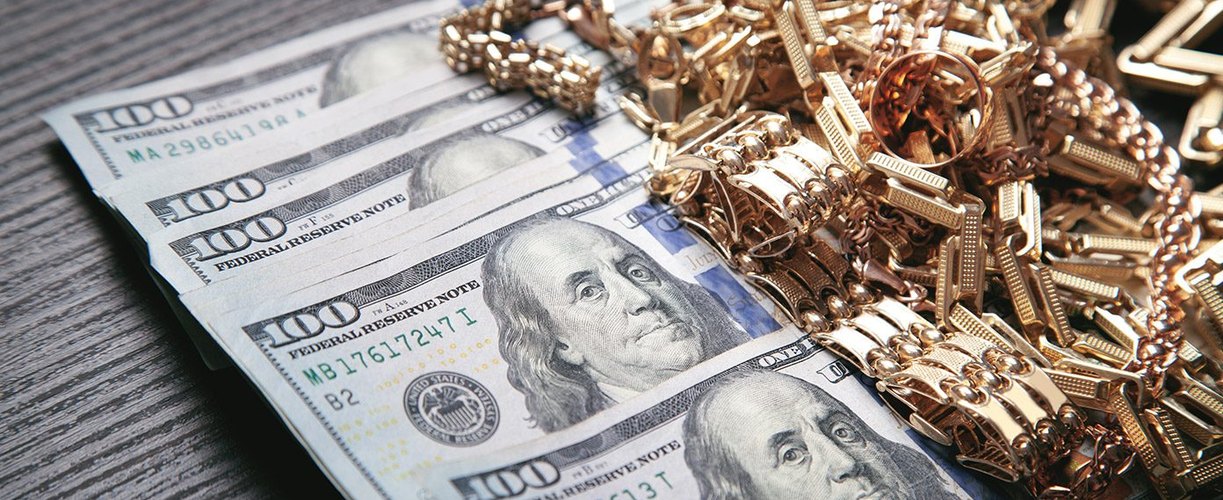
David Stern Jewelers has bought gold from a permanent storefront in Boca Raton for over 40 years. We test and weigh every piece in front of you, sort it by karat, and show you the day’s spot price and the arithmetic behind the offer. If you accept, you are paid the same day; if you decline, everything goes home with you.
Because we are also jewelers, we will tell you when something is worth more as jewelry than as gold. You can learn more about how we buy gold in Boca Raton, how our jewelry buyers work, and why record gold prices make this a good time to sell what you no longer wear.
Quick Answers About Cash for Gold
What is the best option for cash for gold jewelry?
For most everyday gold, a local licensed gold buyer that tests in front of you and pays the same day. Keep private sales for designer or antique pieces.
Are gold parties a good way to sell?
A gold party is convenient, but offers are often low and there is pressure to accept on the spot. Use it as a quote, not a decision.
Can I sell gold to a refinery myself?
Only if you have a large amount and can wait weeks for payment. Minimums and fees usually make it a poor choice for a few pieces of jewelry.
How do I know a gold buyer is licensed?
In Florida they must be registered as a secondhand dealer, and they will ask for your photo ID, a thumbprint and a signed ownership statement. A buyer who skips those steps is not following the law.
Is selling gold privately worth it?
Selling gold privately can pay more for designer and collectible pieces, but fees, fraud and safety risks usually make it the wrong choice for plain gold.
Should I take the first offer I get?
Not necessarily. Get the weight, karat and offer in writing, then compare it with one other reputable, licensed gold buyer. The comparison takes an hour and can be worth a great deal.
Do I get paid in cash?
Payment methods vary by buyer. At our store you are paid the same day in the store; ask any buyer how and when you will be paid before you agree to sell.
How long does selling gold take at a local buyer?
Usually well under an hour. Testing and weighing take a few minutes per karat group, and the Florida paperwork adds a few more. Large collections or estates take longer, so it helps to call ahead and let the buyer set aside time for you.
Do you buy silver and diamonds as well?
Yes. We buy silver jewelry, flatware, coins and bars, and we evaluate diamonds and gemstones separately from the metal they are set in, so each is priced on its own value.
Get a Free Offer in Boca Raton
If you are weighing up the best option for cash for gold, compare us for yourself. Bring your gold and a photo ID to David Stern Jewelers at 21073 Powerline Rd, #37, Boca Raton, FL 33433, Monday through Friday 9:30 to 5:30 or Saturday 10:30 to 4:30, or call (561) 994-3330. Evaluations are free and there is no obligation to sell.