
Gold prices are soaring, and if you have a drawer of old chains, single earrings or broken rings, you are probably wondering whether now is the moment to sell. This guide explains what is driving the rally, how to decide whether you should sell, how the gold price per gram works for each karat, and how to calculate the melt value of gold yourself before you talk to any buyer.
We have bought gold from Boca Raton families for over 40 years at David Stern Jewelers, and the advice below is the same advice we give at the counter: understand the numbers first, then decide.
Gold Prices Are Soaring: What Is Driving the Rally
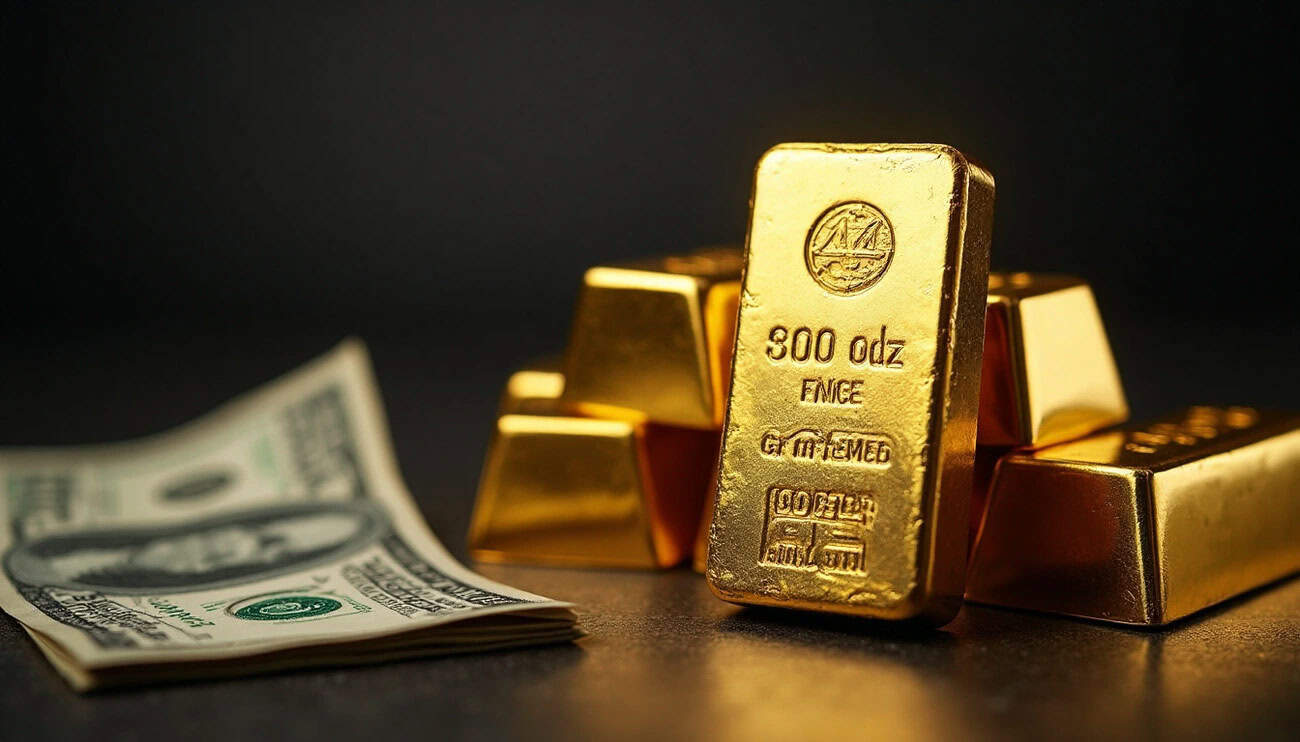
Gold passed $3,000 an ounce for the first time in 2025 and went on to break $4,000 later that year. Several forces pushed it there at once, which is why the move has been so strong and so persistent.
Central bank buying. Central banks, led by China, Poland and India, have bought over 1,000 tonnes of gold a year for several years running, a pace far above the previous decade. That steady official demand puts a floor under the market.
Interest rates and the dollar. Gold pays no interest, so it becomes more attractive when rates fall. When the dollar weakens, gold also gets cheaper for buyers abroad. Our post on how a dollar rally moves gold explains that relationship in detail.
Uncertainty. Trade disputes, government debt and conflict all send investors toward assets that are not tied to any one country. We covered how debt worries lifted gold in gold prices surge past $3,300.
You can follow the long-term trend on the World Gold Council’s gold price data and check the official daily LBMA benchmark prices, which are the reference prices most of the market uses.
Should I Sell My Gold Now?
It is the question we hear most whenever gold prices are soaring: should I sell my gold now, or wait for it to go higher? Nobody can call the top, including us, so the honest answer depends on you rather than on the chart.
Sell if the piece does nothing for you. Broken chains, orphaned earrings, dated rings and jewelry you have not worn in years are exactly what a high price is for. Gold sitting in a drawer earns nothing, and today’s price is already historically high.
Keep what you love or will pass down. A price spike is not a reason to melt a piece with family meaning. You can always have it appraised instead, so you know its value without parting with it.
Consider selling in stages. If you are torn on whether to sell my gold now or later, sell part of it. Selling half now locks in a record-level price while leaving the rest to benefit if the rally continues.
If you want more on timing, our analysis of gold prices today looks at when to sell gold as the market moves day to day.
What Past Gold Peaks Teach Sellers
This is not the first time gold prices have soared. In January 1980 gold hit $850 an ounce, then fell for most of the next two decades. In September 2011 it reached about $1,900, then spent four years sliding back toward $1,050. In August 2020 it passed $2,000 for the first time before stalling for three years.
The lesson is not that the current rally must reverse. It is that record highs have historically been followed by long flat or falling stretches, and nobody rang a bell at the top. That is why, when people ask us should I sell my gold now, we suggest deciding on what the piece means to you and selling what you do not need while the price is strong.
It also explains why selling gold at record highs in stages is sensible. You capture a price that has only been available for a short part of gold’s history, without betting everything on a single day.
Selling Gold at Record Highs: 5 Rules
Selling gold at record highs can pay you more than at almost any time in history, but only if the buyer passes that price on to you. Follow these rules:
- Know the spot price on the day you sell. Check it that morning so you can judge any offer against it.
- Sort by karat before weighing. Mixing 10k and 18k on one scale lets a buyer price everything as the lower karat.
- Watch the weight unit. Ask whether the scale reads grams or pennyweights, and see the display yourself.
- Ask for the percentage of melt. A reputable buyer will tell you what share of the melt value they are paying.
- Get a second opinion on anything with stones or a brand name. Those pieces can be worth more than their gold.
Selling gold at record highs is not complicated, but it does reward the seller who does ten minutes of homework first.
Gold Price Per Gram, by Karat
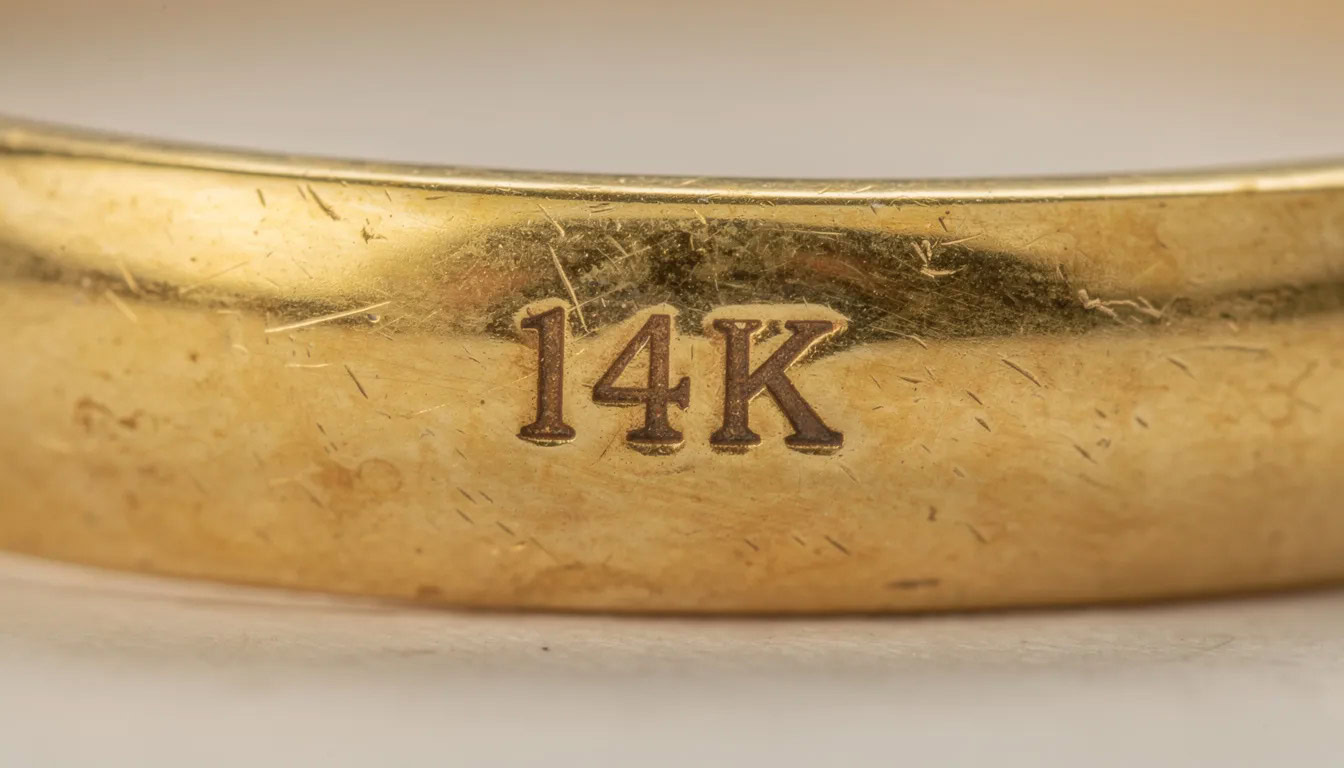
Gold is quoted per troy ounce, which is 31.1035 grams, but jewelry is weighed in grams. To get the gold price per gram of pure gold, divide the spot price by 31.1035. Then multiply by the purity of your karat, because jewelry gold is an alloy. Karat marks are set by the FTC’s Jewelry Guides.
Here is the gold price per gram for each common karat, using an example spot price of $4,000 an ounce. Swap in the day’s price to update it:
| Karat | Stamp | Gold purity | Gold price per gram at $4,000/oz |
|---|---|---|---|
| 24k | 999 | 99.9% | $128.47 |
| 22k | 916 | 91.67% | $117.89 |
| 18k | 750 | 75% | $96.45 |
| 14k | 585 | 58.5% | $75.23 |
| 10k | 417 | 41.7% | $53.63 |
Two things follow from that table. First, karat matters enormously: a gram of 18k is worth almost twice a gram of 10k. Second, the gold price per gram moves in step with spot, so a 1% rise in the ounce price lifts every row by 1%.
For the current number, see our guide to the current gold spot price and how selling gold works.
How to Work Out the Melt Value of Gold

The melt value of gold is what the pure gold inside a piece is worth at today’s spot price. It is the starting point for every fair offer, and you can calculate it in under a minute:
- Weigh the piece in grams, or ask the buyer to show you the scale.
- Multiply by the karat purity (0.585 for 14k, 0.75 for 18k, and so on).
- Multiply by the spot price divided by 31.1035.
A worked example. A 20-gram 14k chain at $4,000 spot: 20 x 0.585 x ($4,000 / 31.1035) = $1,504.65 in melt value of gold. A 10-gram 18k ring at the same price comes to $964.52.
No buyer pays 100% of melt value, because refining, assaying and handling cost money. What separates buyers is the percentage they pay and whether they tell you. Always ask what share of the melt value of gold you are being offered, and compare that number rather than the dollar figure alone.
Watch the pennyweight trap. A pennyweight (dwt) is 1.555 grams. A price quoted per pennyweight looks higher than a price per gram for the same gold, which confuses sellers comparing offers. Convert everything to grams first.
Sorting Your Gold at Home Before You Sell
A few minutes of sorting makes the melt value of gold easier to check and your visit faster. Lay everything out on a towel in good light and look for the stamps.
- Karat stamps: 10K, 14K, 18K, 22K or the numbers 417, 585, 750 and 916. Put each karat in its own bag.
- Plated or filled marks: GP, GF, HGE, RGP or 1/20 12K mean a thin gold layer over base metal. These are worth very little as gold.
- Silver marks: 925 or Sterling means silver, not white gold. Keep it separate; it has its own market.
- No stamp at all: common on older or foreign pieces. Keep them aside and we will test them.
A small magnet helps too. Gold is not magnetic, so if a magnet grabs a chain, the piece is plated or has a steel core. Clasps often contain a steel spring, so test the chain itself rather than the clasp.
Gold Coins and Bars
Bullion coins and bars are priced differently from jewelry. They are valued on their exact gold content per ounce rather than by the gold price per gram of a karat alloy, and they usually sell closer to spot because no refining is needed.
An American Gold Eagle is 22k, but a one-ounce Eagle still contains a full troy ounce of pure gold; the alloy just makes the coin heavier. Canadian Maple Leafs are 99.99% pure, and South African Krugerrands are 22k like the Eagle. Bars from recognized refiners carry their weight and purity stamped on the face. Keep any original packaging or assay cards, since they make a bar easier to sell.
Taxes When You Sell Gold
In the United States, the IRS treats gold jewelry, coins and bullion as collectibles. A profit on gold you held for more than a year can be taxed at a maximum long-term rate of 28%, higher than the usual rate on stocks, and short-term gains are taxed as ordinary income. The IRS guide to capital gains explains the rules.
Most people selling old jewelry have little gain to report, because inherited pieces take a stepped-up basis and gifts or long-held jewelry often cost more than people remember. Keep your receipt from the sale either way, and talk to a tax professional about your situation; we are jewelers, not tax advisors.
What Affects Your Offer Beyond Melt Value
Melt value is the floor, not always the ceiling. Some pieces are worth more intact:
- Diamonds and gemstones. Stones are valued separately from the gold. See how we buy diamonds.
- Designer and signed pieces. Recognized makers can sell for well above their gold content.
- Coins. Bullion coins trade near their gold content, but rare or collectible coins can carry a premium.
- Estate and antique jewelry. Period craftsmanship can be worth more to a collector than to a refiner.
If you are not sure whether something is worth more than its gold, a jewelry appraisal answers that before you sell.
Mistakes to Avoid When Gold Prices Are Soaring
High prices attract new buyers, and not all of them are careful with your interests. The common traps:
Mail-in envelopes. You send your gold before you see an offer, and getting it back if you decline can be slow. Pop-up hotel buyers. Temporary events leave no one to call afterward. Lump-sum offers. A single number for a pile of mixed gold hides what you are being paid per gram.
Cleaning or separating pieces first. Do not remove stones or polish gold before selling; a jeweler can do both without damage. Our guide on avoiding gold selling scams covers more of these.
Why Sellers Choose David Stern Jewelers
We have been a family-owned jeweler in Boca Raton for over 40 years, and we buy gold the same way we would want to sell it: in the open.
- We test every piece in front of you and sort it by karat.
- We weigh on a scale you can see, in grams.
- We show you the live spot price and the arithmetic behind your offer.
- We pay the same day, and there is no obligation to accept.
Because we are also a full-service jeweler, we can recognize when a piece is worth more as jewelry than as gold, and tell you so. When you are ready, you can sell your gold in Boca Raton with us or read more about our jewelry buyers.
What Happens When You Sell Gold at the Counter
If you have never sold gold before, the process is short and you stay with your jewelry the whole time:
- We look over each piece and set aside anything that may be worth more as jewelry than as gold.
- We test the unmarked pieces and sort everything by karat.
- We weigh each karat group on a scale you can see and write the weights down.
- We show you the day’s spot price, the gold price per gram for each karat and the total melt value of gold.
- We make an offer. If you accept, you are paid the same day; if you decline, you take everything home.
Most visits take well under half an hour, and there is never a charge for the evaluation.
Selling Inherited or Estate Gold
A lot of the gold we see when prices are soaring comes from estates: a parent’s jewelry box, a grandparent’s coin collection, a drawer that nobody has opened in years. It pays to slow down with these.
Separate anything signed, antique or set with stones before thinking about melt. A Victorian locket or a signed bracelet can be worth several times its gold to a collector. If the estate is still being settled, the executor may need a written valuation, and our jewelry appraisal service provides one. Once the valuable pieces are identified, the rest can be sold on its gold content with a clear conscience.
Quick Answers for Gold Sellers
Do I need an appointment to sell gold?
No, you can walk in during opening hours. If you have a large collection, calling ahead lets us set aside time.
What do I need to bring?
Your gold and a valid government-issued photo ID. Florida law requires buyers of precious metals to record the seller’s identification.
Will the price change while I decide?
Offers are based on the spot price at the time of the offer. Gold moves every day, so an offer reflects that day’s market.
Can I sell gold that is broken or tangled?
Yes. Broken chains, bent rings and single earrings are valued on their gold content just like intact pieces.
How is the gold price per gram set?
It comes from the global spot price per troy ounce, divided by 31.1035 and multiplied by the purity of the karat. Spot trades almost around the clock, so the gold price per gram changes during the day.
Why do buyers quote different prices for the same gold?
Every buyer starts from the same melt value of gold but pays a different share of it, and some round weights down or price mixed karats as the lowest one. Ask each buyer for the weight, the karat and the percentage of melt, and the comparison becomes simple.
Is it better to keep gold jewelry as an investment?
Jewelry is a costly way to hold gold, because you pay for design and labor that a buyer will not pay back. If you want gold as an investment, bullion coins and bars are more efficient. Jewelry is best kept for wearing and meaning.
Do you pay for gold-filled or plated jewelry?
Plated and gold-filled pieces contain so little gold that they are rarely worth refining. We will tell you honestly if a piece falls into that group, so you are not surprised by a low number.
Do you buy silver too?
Yes. We buy silver jewelry, flatware, coins and bars, priced against the silver market. See how we buy silver.
Ready to Sell While Gold Prices Are Soaring?
Gold prices are soaring, and nobody knows how long the run will last. If you have gold you no longer wear, bring it to David Stern Jewelers at 21073 Powerline Rd, #37, Boca Raton, FL 33433. We are open Monday through Friday 9:30 to 5:30 and Saturday 10:30 to 4:30. Call (561) 994-3330 with any questions.