
When someone dies, their jewelry is often the most personal part of the estate and one of the hardest to handle well. It is small, easy to overlook, sometimes very valuable and almost always emotional. This guide explains what happens to jewelry in probate in Florida, from the estate jewelry inventory to dividing jewelry among heirs, and how jewelry in a will or jewelry in a trust is treated differently.
We are jewelers and appraisers, not lawyers, so treat this as a practical overview and confirm the legal steps with the estate’s attorney. For the valuation itself, our probate jewelry appraisals page explains how we document jewelry for an estate.
What Happens to Jewelry in Probate?
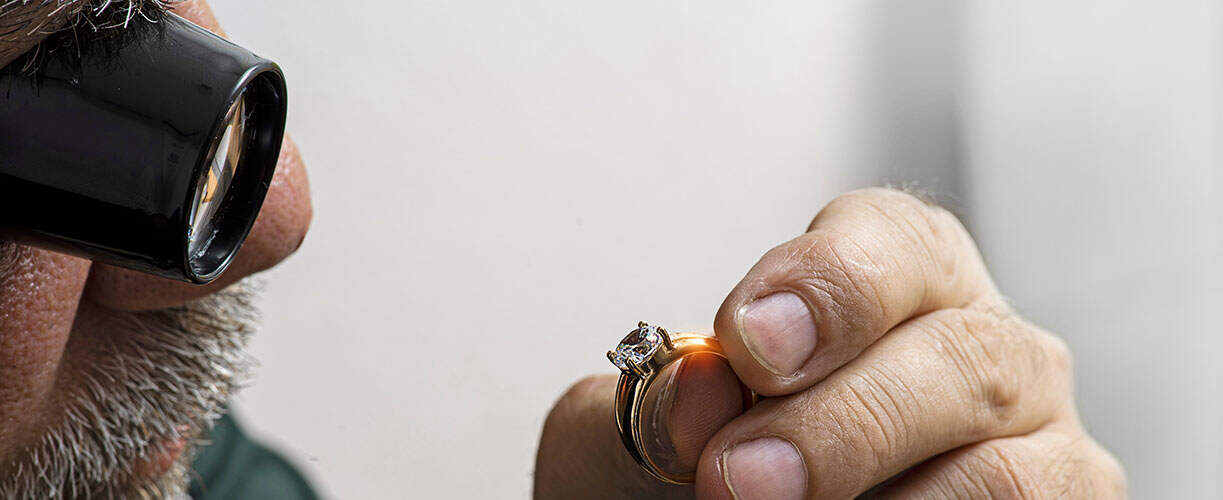
Probate is the court-supervised process of settling an estate: gathering the assets, paying debts and taxes, and distributing what remains. In Florida the person who manages it is called the personal representative, the role many people call the executor.
Jewelry in probate is treated like any other tangible personal property. It must be secured, listed, valued and then distributed according to the will, or under Florida’s intestacy rules if there is no will. Because jewelry is portable and easy to remove from a home, securing it early is one of the personal representative’s first practical jobs.
Not all jewelry goes through probate. Jewelry held in a trust, and in some cases jewelry that belonged jointly to a surviving spouse, may pass outside it. The estate’s attorney will confirm which pieces are probate assets.
Securing the Jewelry First
Before anything is valued or divided, make sure every piece is safe. In the first days after a death, jewelry can go missing, be taken as a keepsake without agreement, or simply be misplaced during a move.
- Gather jewelry from the home, safes and dressers into one secure place.
- Check for a safe deposit box; access may need the attorney’s help.
- Photograph every piece before it is moved or handled.
- Ask relatives not to take items until the estate has been inventoried.
- Record anything already given away, and when.
Doing this calmly and early avoids most of the disputes that later make handling jewelry in probate so painful.
Safe Deposit Boxes
Some of the most valuable pieces in an estate are kept in a bank safe deposit box. Access after death is restricted, and the bank will usually require the personal representative’s paperwork before the box can be opened or emptied. The estate’s attorney can arrange this.
When the box is opened, list and photograph everything in it at the time, ideally with a witness. Keep the contents together and record where they came from, so nothing from the box is later confused with jewelry found in the home.
Building the Estate Jewelry Inventory
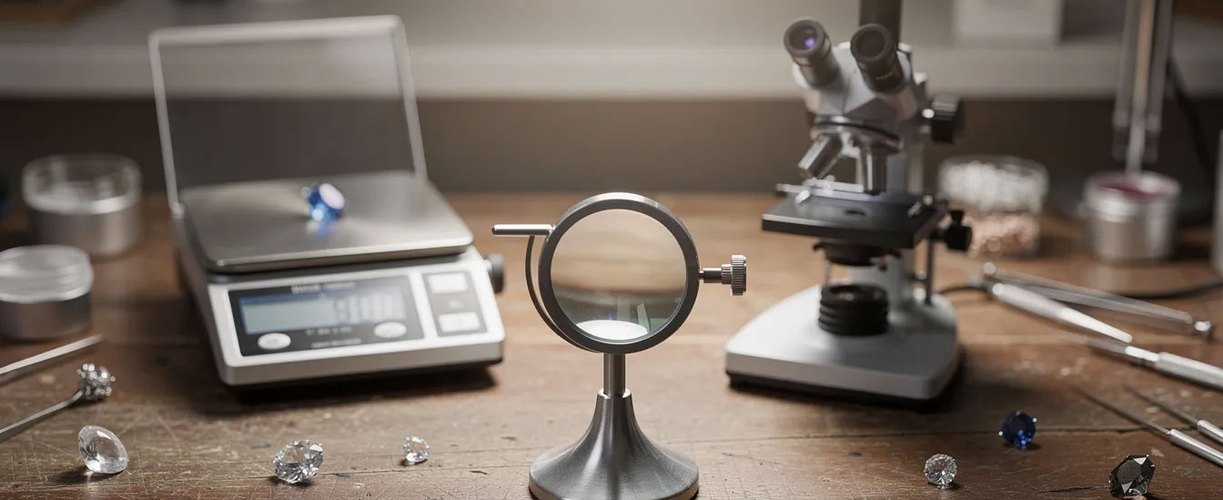
Under section 733.604 of the Florida Statutes, the personal representative files a verified inventory of the estate’s property, listing each item with reasonable detail and its estimated fair market value at the date of death. Florida’s probate rules set a deadline for filing it, typically within sixty days after letters of administration are issued. The inventory is confidential, not a public record.
For jewelry, a useful estate jewelry inventory goes further than a list of “one gold ring”. It should record, for each piece:
- A description: type of piece, metal and karat, and any stones.
- Weights and measurements where they matter.
- Maker’s marks, signatures and engravings.
- Condition, and photographs.
- The fair market value at the date of death.
Building the estate jewelry inventory from a professional appraisal gives the court, the heirs and the tax authorities the same set of facts. It also makes dividing jewelry among heirs far easier, because everyone is working from one agreed list rather than memories of what a piece was worth.
Jewelry in a Will
How jewelry in a will is handled depends on how it is described. A will may leave specific pieces to named people, leave “all my jewelry” to one person or to several in equal shares, or say nothing specific at all, leaving jewelry to fall into the residue of the estate.
Florida also allows a simpler route. Under section 732.515, a will can refer to a separate written list that disposes of tangible personal property such as jewelry. The list must be signed and describe the items and the people who receive them with reasonable certainty, and it can be written or changed after the will is signed. For many families, that separate list is the clearest way to handle jewelry in a will.
If the will is vague, for example “my jewelry to my children equally”, the personal representative will usually need values for each piece to make equal shares possible, which brings us to dividing jewelry among heirs.
When There Is No Will
If someone dies without a will, Florida’s intestacy law decides who inherits, generally starting with a surviving spouse and descendants. The jewelry then becomes part of the shares each of those heirs receives, rather than going to particular people for particular reasons.
That is where families most often disagree, because the law divides value, not meaning. A mother’s engagement ring may matter enormously to one child and not at all to another. In practice, many families agree among themselves who takes which piece, using written values to keep the shares fair, and the personal representative records the agreement. The estate’s attorney can advise on how to document it properly.
Jewelry in a Trust
Jewelry in a trust is handled differently. If the deceased placed jewelry into a revocable living trust during their lifetime, it is generally distributed by the trustee under the trust’s terms, without going through probate. That can be faster and more private.
Jewelry is often left out of trusts, because it is not titled like a house or a bank account and people forget to assign it. Many trusts include a general assignment of personal property to cover it. If you are planning your own estate, ask your attorney whether your jewelry in a trust is actually covered, and consider a signed list of who should receive which pieces.
For a trustee, the practical steps are the same: secure the pieces, document them, value them, and distribute them as the trust directs.
Dividing Jewelry Among Heirs
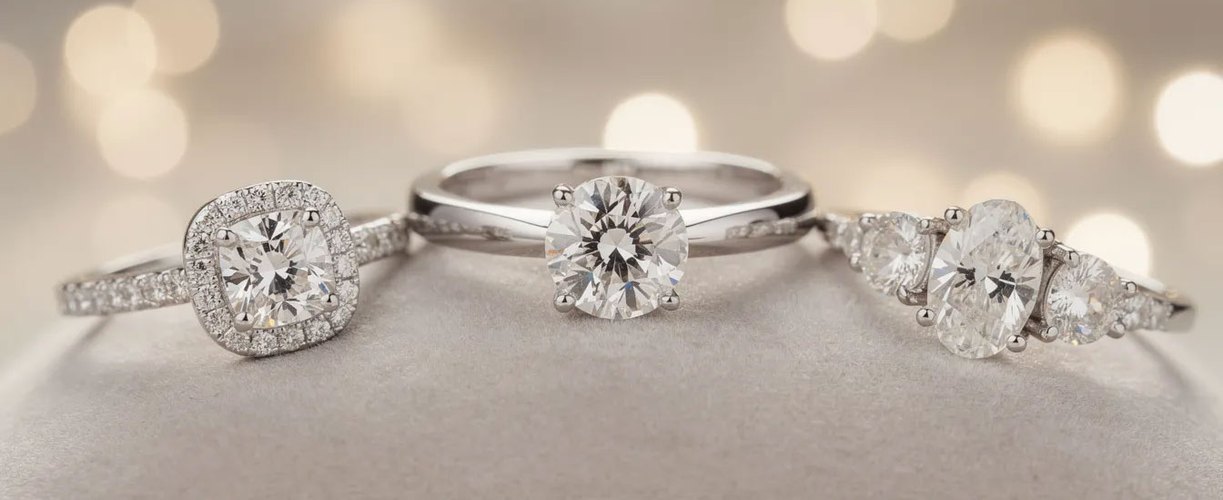
Dividing jewelry among heirs is where most family tension appears. Sentimental value rarely matches market value, several people may want the same ring, and some pieces are worth far more than others. A few approaches work well:
| Method | How it works | Best when |
|---|---|---|
| Rotation picks | Heirs take turns choosing, in an agreed or random order | Values are similar and everyone wants something |
| Value balancing | Each heir receives pieces up to an equal total value | Values differ widely |
| Sell and split | Pieces nobody wants are sold and the cash divided | Heirs prefer money to jewelry |
| Redesign and share | Stones from one piece are made into several pieces | Several heirs want the same heirloom |
Whatever method you use, dividing jewelry among heirs is far easier with written values in hand. An independent appraisal removes the argument about what a piece is worth and lets the conversation focus on who will treasure it.
The redesign option deserves a mention. A single diamond ring can become three pendants, or small stones from several pieces can become matching rings for each grandchild. Our jewelry redesign guide shows how.
Valuing Jewelry for the Estate
Probate uses fair market value: what a piece would sell for between a willing buyer and a willing seller at the date of death. That is usually far lower than an insurance replacement value for the same piece, which is why an old insurance appraisal should not be used for an estate.
A written date of death valuation also matters to the heirs. Under IRS Publication 551, inherited property generally takes a basis equal to its fair market value at the date of death, so the estate’s valuation becomes the heirs’ starting point if they later sell. Our probate jewelry appraisals cover the documentation the court and the IRS expect, and our fair market value appraisals page explains the standard of value.
Most estates in Florida owe no estate tax: Florida has no state estate tax, and federal estate tax applies only above a very high exemption set by Congress. Even so, accurate values protect the personal representative if the division is ever questioned.
Selling Estate Jewelry
Some jewelry in probate will be sold, either because the will directs it or because the heirs prefer cash. The personal representative normally handles the sale and must have authority to sell, so bring the letters of administration or other paperwork along with photo ID.
Before selling, separate signed, antique and diamond pieces from plain gold. Those can be worth far more as jewelry than as metal; our estate jewelry guide explains how to recognize them. Selling pieces for more than their date-of-death value may create a taxable gain for the estate, so keep every receipt.
Common Mistakes to Avoid
Most problems with estate jewelry come from a handful of avoidable mistakes:
- Letting pieces leave the house early. Items taken as keepsakes before the inventory is complete are the most common cause of family disputes.
- Using an old insurance appraisal. Insurance values are replacement values and usually far higher than the fair market value probate requires.
- Treating everything as gold. Signed, antique and diamond pieces can be worth far more as jewelry than as scrap.
- Cleaning or repairing before valuation. Harsh cleaning can damage pearls, enamel and treated stones, and changes a piece’s condition.
- Skipping written values. Without them, dividing pieces fairly or answering a later question becomes much harder.
- Selling in a hurry. There is rarely a need to sell anything in the first weeks; decisions made later are usually better ones.
Recording the Family Stories
An estate’s jewelry often comes with stories that only one or two people still know: which ring came from which grandparent, what a locket commemorates, why a brooch was always worn on a certain day. Once those people are gone, the stories go with them.
While the pieces are being gathered, take a few minutes to write down what family members remember about each one and keep the notes with the inventory. A piece that arrives with its story is treasured far more, and it helps heirs decide who should have what.
Watches, Coins and Other Valuables
Jewelry boxes and safes often hold more than jewelry. Luxury watches should be kept with their boxes, papers and extra links, since those affect value. Coins and bars should be left in their holders or tubes, and collectible coins may be worth far more than their metal. Sterling silver flatware and tea sets are also common in estates and are valued against the silver market. Include all of these in the inventory alongside the jewelry.
Keeping Jewelry Insured During Probate
Probate can take months, and jewelry still needs protecting while it does. Check with the estate’s insurer that coverage continues after the owner’s death, particularly for any scheduled pieces, and ask whether it covers items moved to a new location for safekeeping.
If valuable pieces will be held for a long time, or passed to an heir who plans to keep them, the new owner should arrange their own coverage. That usually means a current insurance appraisal in the heir’s name; our guide on why to get jewelry appraised explains how scheduling works.
Planning Ahead for Your Own Jewelry
If you are reading this while thinking about your own estate, a few simple steps will spare your family a great deal of difficulty later:
- Make a list. Describe each significant piece and who you would like to receive it, and ask your attorney about referring to it in your will.
- Check your trust. If you have a revocable trust, confirm that your jewelry is actually assigned to it.
- Keep appraisals current. Updated appraisals and photographs make the eventual inventory far easier.
- Record the stories. Write down where important pieces came from and what they mean.
- Talk to your family. Knowing your wishes in advance prevents most disputes.
Clear planning for jewelry in a will, or jewelry in a trust, is one of the kindest things you can leave behind.
How David Stern Jewelers Helps Estates

We have worked with Boca Raton families, personal representatives and attorneys on estate jewelry for over 40 years. Our GIA Graduate Gemologists examine every piece in front of you, document it for the estate jewelry inventory, and value it at the date of death. When the estate is ready, we can also buy pieces the heirs do not want, or help redesign heirlooms so they can be shared.
Learn more about our probate jewelry appraisals, our jewelry appraisals in Boca Raton or schedule an appraisal.
Quick Answers About Jewelry in Probate
Does all jewelry go through probate?
No. Jewelry in a trust, and some jointly owned property, may pass outside probate. Ask the estate’s attorney which pieces are probate assets.
Who decides how jewelry is divided?
The will, a signed separate list referred to in the will, or the trust decides first. If they are silent, the personal representative divides it under the law, often with heirs agreeing a method.
What value is used for jewelry in probate?
Fair market value at the date of death, not the insurance replacement value.
Can heirs take jewelry before the estate is settled?
They should not take items without the personal representative’s agreement. Early removal is a common source of disputes and can complicate the inventory.
Should we have the jewelry appraised before dividing it?
Usually, yes. Written values make it much easier to divide pieces fairly and to answer any questions later, and the inventory requires a value for each item anyway.
Can you appraise jewelry at our home?
Yes, by appointment. Most appraisals are done privately at our showroom, but for an estate we can also come to your home or another location. Either way, every piece is examined in full view and never leaves your possession. For a large estate, call ahead so we can set aside enough time.
What if heirs disagree about a piece?
Written values, a fair selection method and, where possible, redesigning one piece into several usually resolve it. If not, the personal representative and the estate’s attorney decide under the will and the law.
How long does it take to appraise an estate collection?
A handful of contemporary pieces can often be documented in one visit. Large collections, antique jewelry and pieces needing research take longer, and we tell you the likely timeline before we start so the personal representative can plan around the inventory deadline.
Do you buy jewelry from estates?
Yes. Once the personal representative has authority to sell, we can buy pieces the heirs do not want, pricing gold, diamonds and collectible jewelry separately and paying the estate the same day.
Is the estate inventory public?
No. Florida makes probate inventories confidential.
Talk to Us About an Estate
If you are handling jewelry in probate, we can help you document, value and, if needed, sell or redesign it. Visit David Stern Jewelers at 21073 Powerline Rd, #37, Boca Raton, FL 33433, Monday through Friday 9:30 to 5:30 or Saturday 10:30 to 4:30, or call (561) 994-3330. This article is general information, not legal or tax advice.