
Selling gold is easy. Keeping as much of the money as possible takes a little more thought. To maximize your gold profits you need to get a fair price, understand the tax on selling gold, know your gold cost basis, and decide whether cash, a gold trade-in or selling in stages suits you best. With gold near $4,250 an ounce in September 2026, those decisions are worth more than ever.
This guide walks through each one in plain English. We are jewelers, not tax advisors, so treat the tax sections as a starting point for a conversation with your accountant rather than advice for your situation.
Maximize Your Gold Profits: The Four Levers
What you actually keep from a gold sale depends on four things:
| Lever | What it means | How much it can matter |
|---|---|---|
| The offer | The share of melt value the buyer pays | Often the biggest difference between buyers |
| Taxes | Capital gains tax on any profit | Up to 28% of the gain on collectibles |
| Cost basis | What you paid, or the value when you inherited | Decides how much of the sale is a gain at all |
| Timing and form | Cash now, a trade-in, or selling in stages | Spreads risk and can change the tax year |
Most people focus only on the price per gram. To really maximize your gold profits, look at all four together.
Lever One: Get a Fair Offer
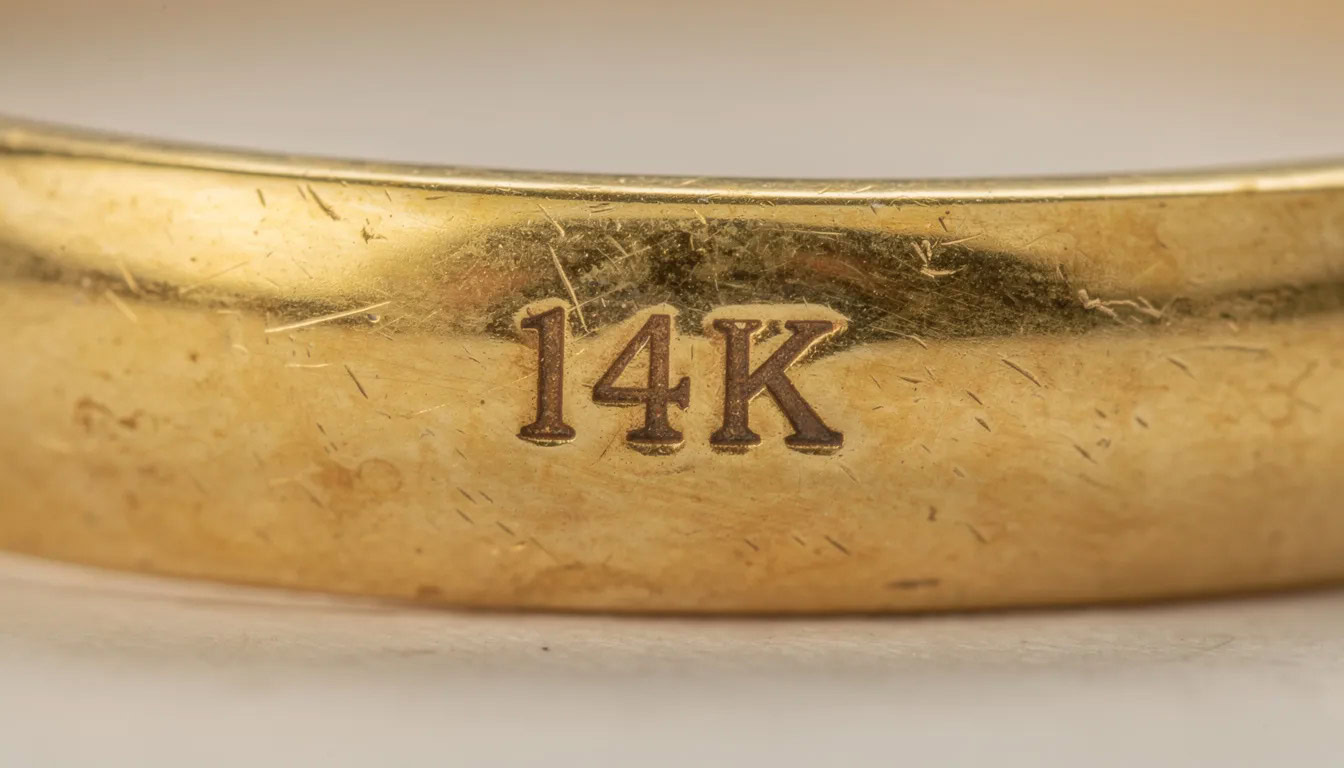
Every offer starts from the same global spot price. The buyer weighs each karat group, works out the pure gold and pays a percentage of that melt value. At $4,250 an ounce, 20 grams of 14k gold contains about $1,599 of pure gold; what you receive depends on the share the buyer pays.
- Sort by karat. Mixing 10k and 18k on one scale lets a buyer price it all as the lower karat.
- Check the day’s spot price before you hear any number.
- Ask for the percentage of melt and the weight of each group, in grams.
- Separate valuable jewelry. Signed, antique and diamond pieces can be worth far more than their gold.
- Compare two licensed buyers on the same figures.
Our guides to the best option for cash for gold and to estate jewelry worth more than its gold go deeper on this lever.
Lever Two: Tax on Selling Gold
In the United States, gold jewelry, coins and bullion are treated as collectibles. When you sell them for more than your cost basis, the difference is a capital gain, and the tax on selling gold depends on how long you owned it:
- Owned one year or less: the gain is short-term and taxed as ordinary income.
- Owned more than one year: the gain is long-term, and collectibles are taxed at a maximum rate of 28%, higher than the top rate on most stocks.
- Sold for less than you paid: losses on personal-use property, such as jewelry you wore, are generally not deductible.
The IRS Topic 409 on capital gains sets out these rules, and gains are reported on Form 8949 and Schedule D. Florida has no state income tax, so for Florida residents the tax on selling gold is normally a federal question only.
A worked example. Suppose you bought a 14k chain in 2010 for $900 and sell it today for $1,500. Your gain is $600. As a long-term collectible gain, the tax is at most 28% of $600, or $168, and possibly less depending on your bracket. You keep at least $1,332.
Some dealers are required to report certain bullion sales directly to the IRS, but whether or not a sale is reported, a gain is still taxable. Keep the receipt from every sale.
Lever Three: Know Your Gold Cost Basis
Your gold cost basis is the starting point for any gain. Generally it is what you paid for the item, including any costs of buying it. The higher your basis, the smaller your taxable gain.
The rules differ depending on how you got the gold. IRS Publication 551 covers them in full, but the main cases are:
- You bought it: your gold cost basis is the purchase price. An old receipt, bank statement or appraisal can help establish it.
- You inherited it: your basis is generally the fair market value on the date of death, often called a stepped-up basis. Inherited property is also generally treated as held long-term.
- It was a gift: you usually take over the giver’s original basis, so a very old gift can carry a large gain.
Inherited jewelry is where the gold cost basis matters most. If a necklace was worth $1,300 when a parent passed away and you sell it for $1,600, the gain is only $300, not the whole $1,600. A date of death appraisal documents that value, which is why executors often have one done before anything is sold.
If you have no records at all, talk to your accountant about how to establish a reasonable basis. It is far easier to document a gold cost basis before the sale than to reconstruct it afterward.
Lever Four: Cash, Trade-In or Stages
The last lever is the form and timing of the sale. You have three main choices, and each suits a different goal.
A Gold Trade-In Toward New Jewelry
If you plan to buy jewelry anyway, a gold trade-in lets you put the value of old pieces toward something new in the same visit. Broken chains and dated rings become credit toward a new ring, a pendant or a custom design, and worn gold can be credited against a custom jewelry design.
A gold trade-in is convenient and keeps the value working for you, but it is still generally treated as a sale for tax purposes. Since 2018, like-kind exchange rules apply only to real estate, so swapping gold for jewelry does not defer the gain. Get the trade-in value in writing, just as you would a cash offer.
Sell Gold in Stages
If you are torn between selling now and waiting, you can sell gold in stages. Selling part of your gold now locks in today’s price, while the rest can benefit if prices keep rising. It removes the pressure of trying to pick the top, which nobody can do reliably.
There can be tax reasons to sell gold in stages as well. Spreading sales across two tax years may keep more of the gain in a lower bracket, though collectibles are capped at 28% either way. Ask your accountant whether splitting a large sale across December and January makes sense for you.
A practical approach is to sell gold in stages by category: broken and unworn scrap first, then plain pieces you rarely wear, keeping sentimental jewelry last or not at all.
Take the Cash
For most people with a drawer of scrap gold, a straightforward cash sale is simplest. Prices are near record levels, and gold sitting in a drawer earns nothing. If you do not need the jewelry and are comfortable with the price, taking cash today is a perfectly sound decision.
Selling Coins and Bullion
Coins and bars follow the same tax rules as jewelry, but they sell differently. Common bullion coins, such as American Eagles, Canadian Maple Leafs and South African Krugerrands, and bars from recognized refiners trade close to the spot price because no refining is needed. That usually makes them the easiest gold to sell at a strong price.
Collectible coins are the exception. A rare date or a coin in exceptional condition may be worth far more than its gold, so have collections looked at before selling anything as bullion. Keep original tubes, capsules and assay cards with bars, since they make resale easier, and keep the purchase records that establish your gold cost basis.
Selling Gold From an Estate
Estates bring their own considerations. The person selling must be entitled to sell, so executors should bring ID and the paperwork showing their authority. If the gold is being divided among heirs, each heir generally takes a basis equal to the value at the date of death, which is why a written valuation made at that time is so useful.
Estates also tend to contain the pieces most often undersold: signed jewelry, antique work and diamonds. Sort these out first, sell the plain gold on its metal value, and give the rest the chance to sell as jewelry. Our estate jewelry guide shows how to recognize them.
Donating Gold or Jewelry Instead of Selling
Some people prefer to donate jewelry to a charity rather than sell it. The tax treatment of donated collectibles is more complicated than a sale, and it depends on the charity and how it uses the item. For noncash donations valued at more than $5,000, the IRS generally requires a qualified appraisal, and the deduction must be supported on Form 8283.
If you are considering a donation, speak to your tax advisor first and arrange a fair market value appraisal from a qualified appraiser. It is often simpler to sell the gold and donate part of the cash, but the right answer depends on your situation.
Silver Follows the Same Rules
Everything in this guide applies to silver too. Sterling flatware, silver coins and bars are collectibles for tax purposes, and the same questions of basis, timing and records apply. Silver prices move more sharply than gold, which makes selling in stages even more useful. See how we buy silver in Boca Raton.
Does the Time of Year Matter?
Gold does show mild seasonal patterns, but they are small compared with the effect of interest rates, the dollar and world events. Trying to time a sale to the month rarely beats simply checking the spot price and selling when the number works for you. The one date that can matter is December 31, because it decides which tax year a gain falls into. Our guide to the forces behind gold prices explains the bigger drivers.
Diamonds and Stones in Gold Jewelry
Many gold pieces carry stones, and those are valued separately from the metal. Small accent diamonds often add little to an offer, while a center diamond of half a carat or more, especially with a grading report, can be worth a meaningful amount on its own.
Natural diamond prices have softened in recent years as lab grown diamonds took market share, so a stone may be worth less than you expect even while its gold setting is worth more. Ask the buyer to price the stones and the gold separately, so you can see where the value in each piece really sits and decide whether to sell the stone, keep it or reset it.
Records to Keep

Good records make every other lever easier. Keep:
- The receipt from each sale, showing the weight, karat and price paid.
- Any original purchase receipts, bank records or old appraisals that show your gold cost basis.
- A date of death appraisal or estate inventory for inherited pieces.
- Photos of what you sold, in case you need to show what was included.
A reputable buyer will give you a written record without being asked. In Florida, licensed dealers must also record every purchase and check your photo ID, so bring one with you.
Questions to Ask Your Accountant
Before a large sale, a short conversation with your accountant can save money. Useful questions include:
- How should I establish my cost basis if I have no receipts?
- Does it make sense to split this sale across two tax years?
- How will a gain on collectibles interact with my other income this year?
- What records should I keep from the buyer?
- If I inherited these pieces, what documentation of the date of death value do you need?
Common Mistakes That Cost Sellers Money
- Selling everything by weight, including signed or antique pieces worth more as jewelry.
- Not knowing the spot price, so a low offer sounds reasonable.
- Throwing away receipts, which makes the gold cost basis hard to prove later.
- Assuming a trade-in avoids tax. It generally does not.
- Rushing a large sale instead of choosing to sell gold in stages or across tax years.
- Using a buyer who will not show the math.
How We Help You Maximize Your Gold Profits
David Stern Jewelers has bought gold in Boca Raton for over 40 years. We test and weigh every piece in front of you, sort it by karat, and show you the day’s spot price and the arithmetic behind the offer. You leave with a written record of every sale, which is exactly what your accountant will ask for.
Because we are also jewelers, we will set aside anything worth more as jewelry, offer a gold trade-in toward a new piece if you prefer, and provide written appraisals when you need to document value. Learn more about how we buy gold in Boca Raton, why record gold prices matter, and what drives gold prices.
Quick Answers About Gold Profits and Taxes
Do I have to pay tax when I sell gold jewelry?
If you sell it for more than your cost basis, the profit is generally a taxable capital gain. Long-term gains on collectibles are taxed at up to 28%. Ask a tax professional about your situation.
What is my cost basis for inherited gold?
Generally its fair market value on the date of death. A date of death appraisal is the usual way to document it.
Can I deduct a loss on jewelry I sell?
Generally no. Losses on personal-use property, such as jewelry you wore, are not deductible.
Is a gold trade-in tax free?
Generally no. A trade-in is treated as a sale of the old gold, so any gain is still taxable.
Do I need an appraisal to sell gold?
Not for a simple sale of scrap gold. An appraisal helps when you need to document value, for example for an estate, a donation or to establish what an inherited piece was worth.
Will I get a receipt I can give my accountant?
Yes. Ask any buyer for a written record showing the weight, karat and price paid. We provide one for every purchase.
What should I bring when I sell gold?
A government-issued photo ID, which Florida law requires, and all the gold you are considering selling. Bring any receipts, appraisals or grading reports too, since they help with both the offer and your cost basis.
Can I sell only part of my gold and keep the rest?
Yes. We can evaluate everything and you decide piece by piece what to sell, trade in or take home. Many people sell scrap first and keep the pieces they still wear.
Should I sell all my gold at once?
Not necessarily. Many people sell gold in stages, starting with scrap, to reduce timing risk and sometimes to spread the tax across years.
Talk to Us Before You Sell
To maximize your gold profits, start with a clear offer and good records. Visit David Stern Jewelers at 21073 Powerline Rd, #37, Boca Raton, FL 33433, Monday through Friday 9:30 to 5:30 or Saturday 10:30 to 4:30, or call (561) 994-3330. Evaluations are free, with no obligation to sell. This article is general information, not tax or investment advice.