
Having your jewelry appraised for insurance once is a good start, but an appraisal is a snapshot. Metal prices, gemstone markets and replacement costs keep moving, and an old report can leave you covered for far less than it would cost to replace a piece today. That is why the usual advice is a jewelry appraisal every three years.
This guide explains how often to get jewelry appraised, what a jewelry appraisal update involves, how to spot an outdated jewelry appraisal, and why jewelry value over time rarely stands still.
Why Jewelry Appraised for Insurance Needs Updating
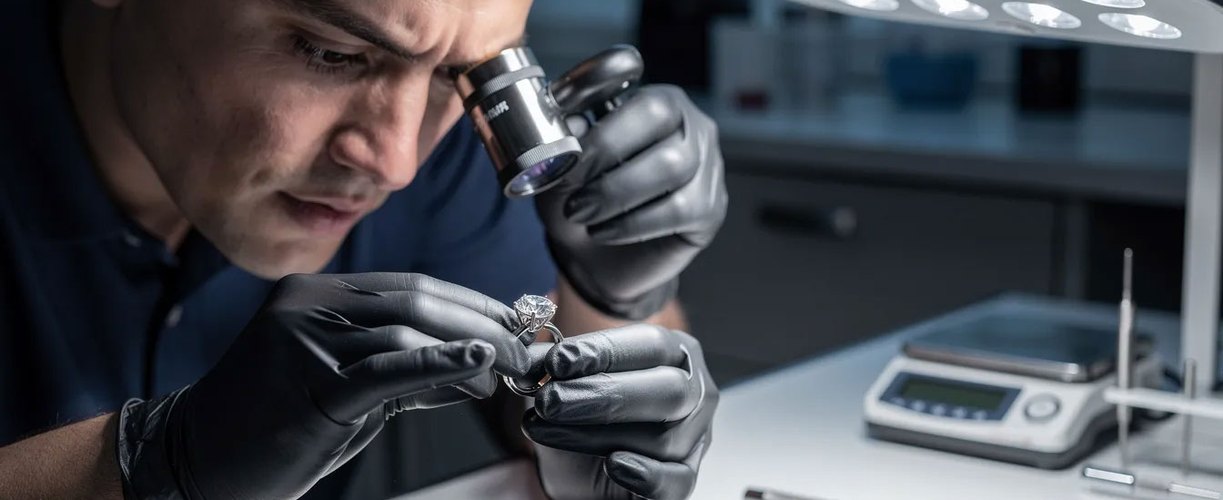
When you have jewelry appraised for insurance, the report states its replacement value: what it would cost to buy a piece of like kind and quality, new, at retail, on the date of the appraisal. Your insurer uses that figure to set your coverage and to settle a claim.
The trouble is that the figure is fixed on the day it is written, while the cost of replacing the piece is not. If replacement costs rise and your coverage does not, a claim is usually limited to the scheduled amount. Keeping jewelry appraised for insurance at current values is what closes that gap.
Over-valuing is a problem too. An inflated number raises your premium without raising what an insurer will actually pay, since they generally only pay what it costs to replace the piece. The aim is an accurate, current figure.
How Often to Get Jewelry Appraised
For pieces you wear and insure, the common guideline is a jewelry appraisal every three years. Some insurers and appraisers suggest three to five years for stable pieces, and sooner when something changes. As a practical rule of thumb:
| Situation | When to update |
|---|---|
| Pieces you wear and insure | Roughly every three years |
| After a big move in gold or platinum prices | As soon as practical |
| After a repair, resize, reset or redesign | Once the work is done |
| After a new purchase | Within the window your insurer sets, often 30 to 90 days |
| After inheriting a piece | Before adding it to your policy |
| When your insurer asks | By their deadline |
So how often to get jewelry appraised really depends on the piece and the market. A diamond solitaire in platinum may hold its value steadily for years; a heavy gold bracelet may need updating sooner, because its metal value tracks the gold price.
Jewelry Value Over Time

Jewelry value over time is driven by a few forces, and they do not all move in the same direction:
- Gold and platinum prices. Gold traded near $4,250 an ounce in September 2026, roughly double its early-2024 price. The World Gold Council’s price history shows how sharply it can move. Heavy gold pieces feel this most.
- Diamond prices. Natural diamond prices have softened in recent years as lab grown diamonds took market share, so the stone in a ring may cost less to replace than it did.
- Colored gemstones. Fine sapphires, rubies and emeralds have generally held or gained value, especially rare, untreated stones.
- Labor and retail costs. The cost of making and selling jewelry tends to rise steadily with wages and overheads.
- Brand and design. Some signed pieces and designs gain value as they become collectible.
Because these forces pull in different directions, jewelry value over time can rise on one piece and fall on another in the same box. A jewelry appraisal every three years catches both: under-insured gold and over-insured diamonds.
How to Spot an Outdated Jewelry Appraisal
Pull out your appraisals and check them against these signs. An outdated jewelry appraisal usually shows one or more of them:
- It is dated more than three to five years ago.
- Gold or platinum prices have moved substantially since it was written.
- It describes a setting or stone that has since been changed.
- It has no photographs, or only one blurred one.
- It gives a value but few details, such as no stone grades, weights or metal purity.
- It was written by the seller at the time of purchase rather than an independent appraiser.
An outdated jewelry appraisal is the most common reason people discover, too late, that they were underinsured. Checking takes five minutes; our guide on why to get jewelry appraised explains how underinsurance happens and how a jewelry rider works.
Engagement Rings and Everyday Pieces
Rings worn every day change more than anything else in a jewelry box. Prongs wear thin, bands get resized, stones are sometimes replaced after damage, and wedding bands are added to the stack. Any of these can make a description in an older report inaccurate.
That is why an engagement ring is the piece most worth reviewing on schedule. A jewelry appraisal update is also a chance to have the prongs checked; a loose stone found during an update is far cheaper to tighten than to replace after it falls out.
Heirlooms and Inherited Jewelry
Inherited pieces are often insured, if at all, on an appraisal written for the previous owner, sometimes decades ago. That is almost always an outdated jewelry appraisal, and it may not even be in your name.
When you inherit a piece you plan to keep, have it re-examined and documented for your own policy. If the estate is still being settled, the probate valuation uses a different standard of value; our guide to jewelry in probate explains the difference and what the estate needs.
Watches and Colored Gemstones
Luxury watches change value with the market for their brand and model, and a watch that has been serviced or had parts replaced may need its description updated. Keep the box, papers and service records with the appraisal.
Colored gemstones deserve attention too. Treatments that were not routinely identified years ago can now be detected, and the value of fine, untreated stones has moved differently from diamonds. An update brings both the description and the value in line with current knowledge.
Pearls and Delicate Pieces
Pearls, opals and enamel change with wear in ways that affect value. Pearl strands stretch and need restringing, pearl surfaces can dull from contact with perfume and hairspray, and opals can craze if they dry out. When these pieces are re-examined, the report should record their current condition, not their condition when they were new.
For pearls in particular, the type matters enormously: natural pearls are far rarer and more valuable than cultured ones, and only a laboratory can confirm which you have.
What a Jewelry Appraisal Update Involves

A jewelry appraisal update is usually simpler than a first appraisal. The piece is re-examined to confirm it matches the original description and to note any wear, damage or changes. Stones are checked, the metal is confirmed, and the value is re-researched against today’s market.
When we prepared the original report, updating it usually costs less than a new appraisal, because the detailed description and photographs already exist. If the original came from elsewhere, bring it anyway: it gives the appraiser a useful starting point and a record of any changes.
After a jewelry appraisal update, send the new report to your insurer or agent and ask them to adjust the scheduled value. An update only protects you once your policy reflects it.
What Happens During the Appraisal
At our Boca Raton showroom, every examination happens in front of you, so your jewelry never leaves your sight. Our GIA Graduate Gemologists:
- Confirm the purpose of the appraisal and give you a fee estimate before starting.
- Weigh each piece and test the metal purity.
- Grade diamonds and gemstones and check them against any GIA laboratory report you bring.
- Record hallmarks, maker’s marks, measurements and condition, with photographs.
- Research current replacement costs and prepare the written report.
Most contemporary pieces are appraised while you wait, with the report emailed the same day. Antique pieces, unusual stones and large collections can take longer, and we tell you before we begin. For full details, see our fine jewelry appraisals page.
What to Bring to an Update
- The jewelry itself; appraisals require a physical examination.
- Your most recent appraisal for each piece, from any appraiser.
- Any laboratory grading reports and original receipts.
- Your insurer’s documentation requirements, if they have a form.
- Notes on any repairs, resizing or changes since the last report.
Bringing the old reports makes a jewelry appraisal update faster, and lets the new report note exactly what has changed.
What It Costs
A basic insurance appraisal of a single contemporary item generally starts around $120 to $150, covering the examination, photographs, market research and written report. Additional items in the same visit are usually discounted, and a jewelry appraisal update on a report we prepared generally costs less than a new appraisal.
Ethical appraisers charge a flat fee per item or an hourly rate, never a percentage of the value, because a percentage fee rewards an inflated number. Weighed against the cost of an uninsured loss, keeping jewelry appraised for insurance is inexpensive protection.
Keeping Records and Updating Your Policy
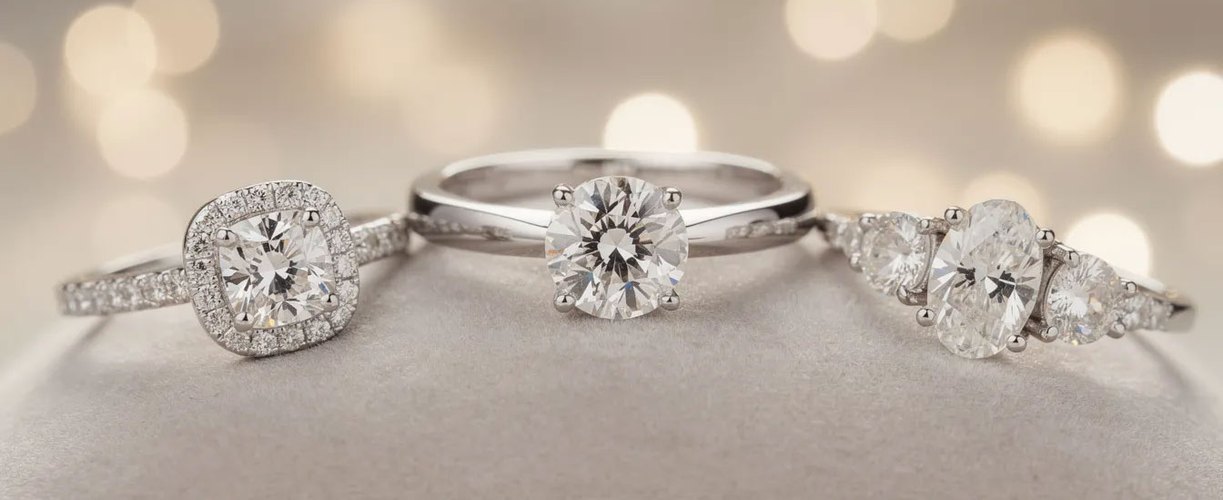
Keep a simple file for each significant piece: every appraisal, any grading report, the purchase receipt, photographs and the page of your policy that lists it. Store digital copies somewhere outside the house.
Set a reminder for three years after each appraisal, and another whenever you read that gold has moved sharply. When you schedule a new piece, ask your insurer what documentation they need; many want a current appraisal within a set period after purchase. Jewelers Mutual coverage can also be arranged in our store as soon as a report is finished.
Scheduled Coverage vs Blanket Coverage
Most homeowner’s and renter’s policies include some blanket coverage for jewelry, but it usually carries a low limit, often especially low for theft, and may not cover simple loss. Scheduled coverage lists each piece individually at its appraised value, usually with broader protection.
As a rough guide, insurers and appraisers generally recommend scheduling a piece once it is worth about $1,000 to $2,000 or more. Below that, blanket coverage may be enough. Either way, the value you schedule is only as good as the report behind it, which is why the review cycle matters.
Claims and Old Appraisals
The moment an old report matters most is after a loss. If a ring is stolen and the only document is an outdated jewelry appraisal, the insurer will generally pay no more than the scheduled amount, even if replacing the ring now costs much more.
A current report also speeds up the claim itself. With detailed descriptions and photographs, the insurer can confirm exactly what was lost and arrange a like-for-like replacement without long back-and-forth. Keeping jewelry appraised for insurance at current values is what makes a claim straightforward.
Seasonal Residents and Moving Between States
Many South Florida residents split the year between two homes, and jewelry often travels with them. If your policy is written in another state, or you move your primary residence, check that your scheduled jewelry is covered in both places and that the appraisal meets your new insurer’s requirements.
A move is also a natural moment to review how often to get jewelry appraised for your situation, since a new policy often asks for current documentation.
Keeping Your Appraisals Safe
An appraisal kept in the same drawer as the jewelry can be lost in the same fire or burglary. Keep paper copies somewhere separate, such as a safe or a relative’s home, and save scanned copies to a secure online folder. Email copies of new reports to your insurance agent as soon as you receive them, so the insurer has them on file too.
Photographing Pieces Between Appraisals
Between formal appraisals, a few minutes with your phone adds useful protection. Photograph each piece on a plain background from the top, the side and the back, including any hallmarks or engravings, and add a coin or ruler for scale. Take a new set whenever a piece is repaired or changed, and store the photos with your appraisals. They will not replace a report, but they make a claim much easier to prove.
Do You Need an Appraisal to Sell?
Usually not. An appraisal for insurance states replacement value, which is typically far higher than what a buyer will pay, so it is the wrong document for a sale. Most buyers make their own assessment.
If you already have an appraisal, bring it along, since the stone details can speed things up. But paying for a fresh appraisal just to sell rarely makes sense unless the piece is rare or the sale is part of an estate or divorce, where a fair market value appraisal is the right document.
Quick Answers
How often should I get my jewelry appraised?
Roughly every three years for pieces you wear and insure, and sooner after big price moves, repairs or changes.
Is a jewelry appraisal every three years really necessary?
It is the most common recommendation because markets move enough in three years to leave pieces over- or underinsured. Check with your insurer, since some set their own schedule.
What is the difference between an update and a new appraisal?
A jewelry appraisal update re-checks and re-values a piece already documented, so it is usually quicker and less expensive.
How do I know if I have an outdated jewelry appraisal?
If it is more than three to five years old, predates a big move in metal prices, or describes a piece that has since changed, it is likely out of date.
Does my insurer require a jewelry appraisal every three years?
Some do and some do not. Many recommend it, and most will ask for a current appraisal when you schedule a new piece or raise a value. Check your policy or ask your agent.
Can you update an appraisal written by someone else?
Yes. We re-examine the piece and prepare a new report, using the earlier one as a reference for what has changed.
Should I update my appraisal if gold prices fall?
If prices fall sharply, an update can lower your scheduled values and your premium. Most people review on the normal cycle unless the move is large.
How long does an appraisal take?
Most contemporary pieces are appraised while you wait, and the report is emailed the same day. Antique pieces, unusual stones and large collections take longer, and we tell you the timeline before starting.
Can I appraise several pieces in one visit?
Yes. Bringing several pieces together is efficient, and additional items in the same appointment are usually discounted. For a large collection, let us know in advance so we can set aside enough time.
Do I need an appointment?
We recommend booking, so the appraisal can be done in a private setting at a time that suits you. You can schedule your appraisal online.
Keep Your Coverage Current
Having your jewelry appraised for insurance, and keeping it current, is one of the simplest ways to protect what you own. Visit David Stern Jewelers at 21073 Powerline Rd, #37, Boca Raton, FL 33433, Monday through Friday 9:30 to 5:30 or Saturday 10:30 to 4:30, or call (561) 994-3330. Bring your jewelry and any earlier appraisals. Learn more about our jewelry appraisals in Boca Raton or read the jewelry appraisal FAQ.