
Most jewelry boxes hold more than their owners wear: a ring from a past relationship, a necklace from a relative, single earrings, chains in a knot. If you are ready to sell your unused jewelry, or simply want to decide what to do with old jewelry, this guide walks you through it, from sorting the box to getting a fair offer.
David Stern Jewelers has bought diamonds, gold and fine jewelry in Boca Raton for over 40 years, and the advice below is the same we give at the counter: know what you have, separate the valuable pieces, and never sell anything for less than it is really worth.
What to Do With Old Jewelry: Your Options
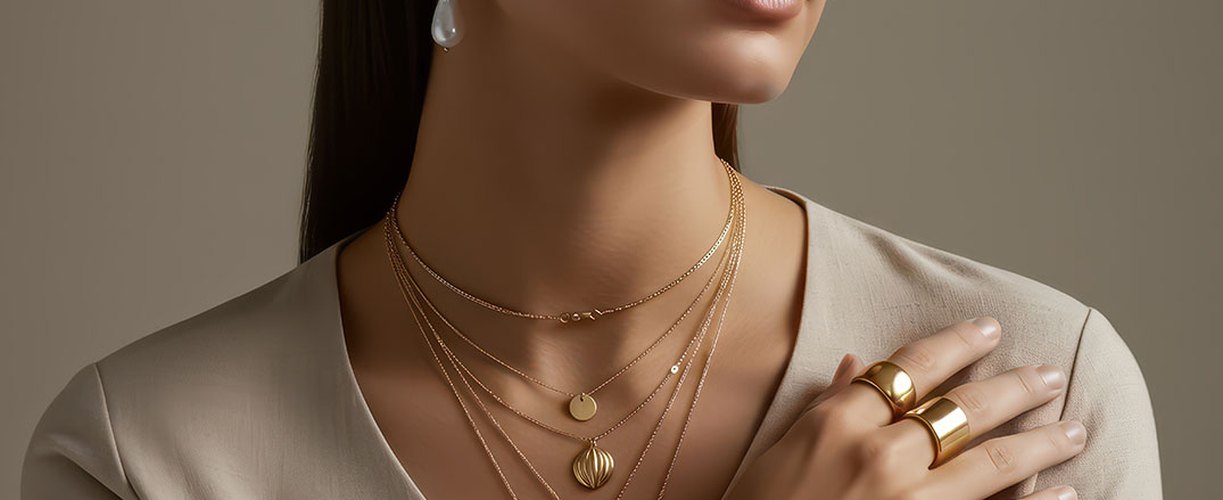
Before you sell anything, it helps to know every option. When people ask what to do with old jewelry, the answer usually falls into one of five choices:
| Option | Best for | What you get |
|---|---|---|
| Sell it | Pieces you will never wear | Cash, usually the same day |
| Redesign it | Good stones in a dated style | A new piece you will wear |
| Keep and restore it | Heirlooms and period pieces | The original, repaired and wearable |
| Gift or pass it on | Pieces with family meaning | A story that stays in the family |
| Trade it in | Old gold toward a new purchase | Credit against something new |
Most people end up doing a mix: they sell the unused pieces that mean nothing to them, keep or redesign the sentimental ones, and put the old gold toward something new. Our jewelry redesign guide covers the second option in detail.
How to Declutter Your Jewelry Box
A good first step is to declutter your jewelry box properly, one piece at a time, before anyone quotes you a price. Lay everything out on a towel in good light and sort it into four piles:
- Wear: pieces you have worn in the last year and love.
- Keep for meaning: pieces you will not wear but cannot part with.
- Look closer: anything signed, antique, set with real stones, or unfamiliar.
- Let go: broken chains, single earrings, dated pieces and things you simply do not like.
Then check the “let go” pile for stamps. Inside rings and on clasps you will find marks such as 10K, 14K, 18K, 585 or 750 for gold, PLAT or 950 for platinum, and 925 for sterling silver. Marks like GP, GF or HGE mean plated or filled metal with little gold value.
When you declutter your jewelry box this way, you usually find that a few pieces are worth more than you expected and several are worth less. That is exactly the information you need before you sell your unused jewelry.
How to Sell Your Unused Jewelry for a Fair Price
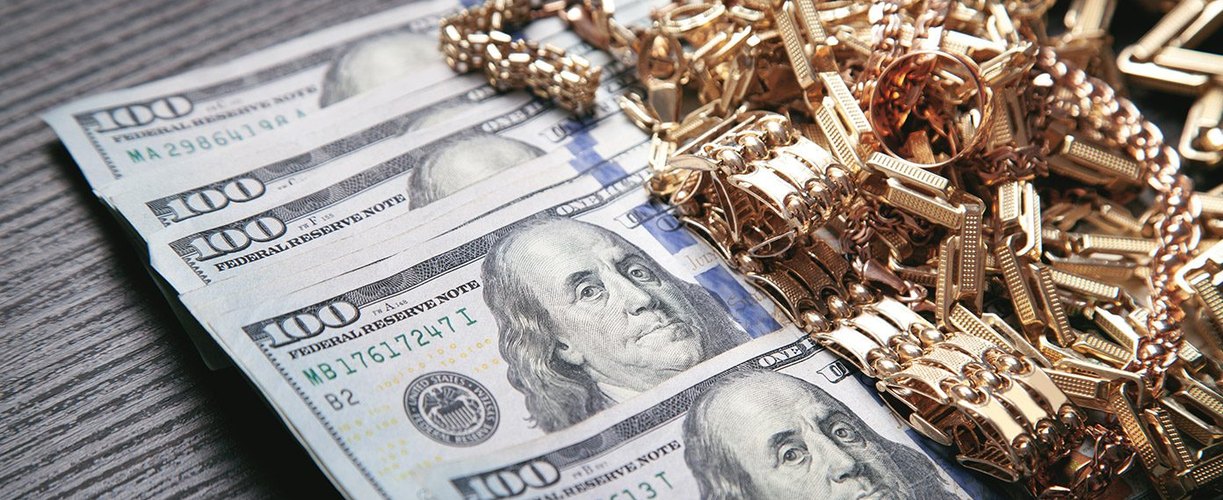
Different kinds of jewelry are priced differently, and a fair buyer will explain each one. Plain gold is valued on its weight and karat against the day’s spot price. Diamonds and gemstones are valued on their own grades. Signed, designer and antique pieces may be worth far more as jewelry than as metal.
To sell your unused jewelry well:
- Check the gold spot price on the day you sell, so you can judge the offer.
- Keep pieces with stones or signatures separate, so they are not weighed as scrap.
- Ask the buyer to show the weight, karat and percentage of melt for gold.
- Bring any grading reports, receipts or appraisals for significant pieces.
- Get the offer in writing, and compare it with one other reputable buyer if the amount is large.
For a fuller comparison of buyers, see our guide to the best option for cash for gold.
Is Now a Good Time to Sell?
For gold, the timing is unusually good. Gold trades near $4,250 an ounce as of September 2026, roughly double its price in early 2024, so the gold in plain pieces is worth more than it has ever been. If you have been meaning to sell your unused jewelry, the metal alone makes this a strong moment.
Diamonds are a different story. Natural diamond prices have softened as lab grown stones took a large share of the market, so waiting is unlikely to help a typical diamond. For most people deciding what to do with old jewelry, that means plain gold is worth selling now, while significant diamonds are worth pricing carefully and perhaps resetting instead. Nobody can predict prices, so it is also reasonable to sell your unused jewelry in stages rather than all at once.
How to Sell an Engagement Ring
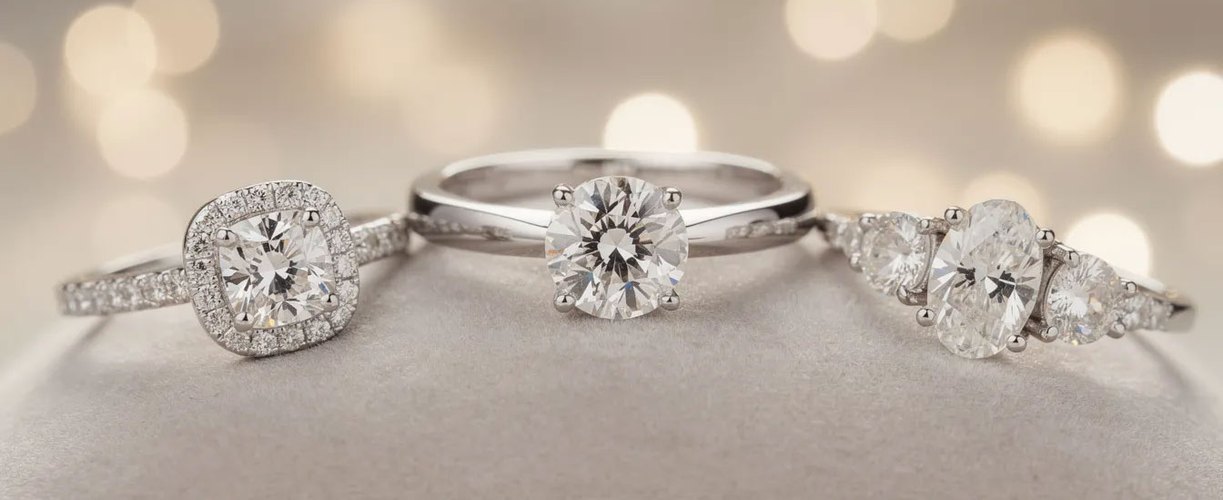
Many people who want to sell an engagement ring are doing so after a breakup or a divorce, and it is one of the most emotional sales there is. It also comes with the biggest surprise: a diamond usually sells for much less than it cost at retail.
That is normal. A retail price includes the jeweler’s costs and margin, and the resale market for diamonds is wholesale. Natural diamond prices have also softened in recent years as lab grown diamonds took market share, and lab grown stones have very little resale value at all. When you sell an engagement ring, the offer depends mostly on the center diamond’s cut, color, clarity and carat weight, then on the metal and any side stones.
A grading report from GIA or IGI supports the offer, so bring it if you have one. GIA’s guide to diamond quality explains the grades. If the ring is part of a divorce settlement, a written fair market value appraisal may be needed first. And if you would rather keep the diamond but change what it means, resetting it into a pendant or earrings is another choice.
Loose Diamonds and Stones
Loose diamonds, and stones that have fallen out of old settings, are often forgotten in the bottom of a jewelry box. They can be worth selling on their own, especially if they are larger than a quarter carat. A diamond is priced on its cut, color, clarity and carat weight, and a grading report makes the process faster and the offer more precise.
Small accent diamonds, known as melee, are worth much less individually. They are often more useful reset into a new piece than sold, which is worth considering when you sell your unused jewelry that contains many small stones.
How to Sell Inherited Jewelry
Inherited pieces deserve the most care, because they are most often undersold. Before you sell inherited jewelry, set aside anything signed, antique, or set with significant stones; these can be worth several times their metal value. Our estate jewelry guide explains how to recognize them.
If you are selling for an estate, bring your ID and the paperwork that shows your authority to sell. A date of death appraisal may also be needed for probate or taxes; it documents the value at inheritance, which generally becomes your cost basis. When you sell inherited jewelry for more than that value, the gain may be taxable, as our guide to maximizing your gold profits explains.
Many families choose to sell inherited jewelry they will never wear while keeping one or two pieces that carry the memory.
Watches, Silver and Costume Pieces
Jewelry boxes rarely hold only gold and diamonds. Luxury watches are valued as watches, on their brand, model, condition and whether the box and papers survive, so keep those together. Sterling silver jewelry and flatware are valued against the silver market, and we buy them too.
Costume jewelry is made from plated base metal and glass, and it usually has little value for its materials. But signed costume pieces from well-known makers can sell to collectors, so check for a name on the back before you declutter your jewelry box completely. Anything you are unsure of is worth bringing in; we are happy to tell you honestly what it is.
Gold Coins and Bars
Coins and small bars sometimes turn up in a jewelry box or safe alongside rings and chains. Common bullion coins such as American Eagles, Canadian Maple Leafs and Krugerrands, and bars from recognized refiners, are priced close to the spot price because they do not need refining. Collectible coins can be worth much more than their gold, so keep them in their holders and have them looked at before selling them as bullion.
Donating Jewelry Instead
Some people prefer to donate pieces they no longer want. Charities, thrift stores and some schools accept costume and fine jewelry, and a gift can mean more than the cash. For a significant piece, the tax rules are more involved: the IRS generally requires a qualified appraisal for noncash donations valued above $5,000, and the deduction depends on the charity and how it uses the item. Talk to a tax advisor first, and see our fair market value appraisals if you need one.
Trading In Toward Something New
If there is a piece you would actually wear, your old jewelry can help pay for it. Gold from unwanted pieces can be credited toward a new purchase in the same visit, and good stones can be set into a new design. Many people find this the most satisfying outcome of all: the drawer empties and they leave with something they love. Our guide to custom jewelry in Boca Raton explains how a new design comes together.
Class Rings, Charms and Keepsakes
Some of the pieces people hesitate over most are small ones: a high school class ring, a charm bracelet built up over years, a religious medal, a baby ring. Class rings are usually 10k gold and surprisingly heavy, and charms are often solid gold even when the bracelet is not.
If a piece means something but you will never wear it, consider keeping just one element, such as a single charm or the stone from a class ring, and selling the rest. A jeweler can remove a stone or a charm without damaging it, so you keep the memory while the gold goes toward something you will use.
The Emotional Side of Letting Go
Jewelry carries memories, and deciding what to do with old jewelry can be harder than it looks. A ring from a marriage that ended, a parent’s watch, a necklace from a first love: these are not simple transactions.
There is no rule that says you must decide everything at once. Many people sell an engagement ring only after keeping it for a year or two, and families often sell inherited jewelry in stages, keeping one or two pieces that hold the memory. If you are unsure, having a piece valued first costs nothing and gives you the facts to decide later.
Some find it easier to turn the value into something meaningful: a trip, a donation, or a new piece that marks a fresh start. Whatever you choose, it should be your decision, made at your pace, with no pressure at the counter.
Storing the Pieces You Keep
Once you declutter your jewelry box, look after what stays. Store pieces separately, in soft pouches or a lined box with compartments, so diamonds do not scratch softer stones and metals. Keep chains fastened to stop tangles, and keep pearls away from dry heat and chemicals.
Photograph valuable pieces and keep copies of any appraisals. Anything worth more than about $1,000 to $2,000 may deserve its own insurance cover; our guide on why to get jewelry appraised explains how that works.
Staying Safe When You Sell
Whether you sell inherited jewelry, an engagement ring or a bag of scrap gold, choose a buyer you can find again. In Florida, anyone who buys secondhand jewelry must be registered, record every purchase, check your photo ID and hold the items for thirty days. A buyer who skips those steps is not following the law.
Avoid selling to strangers online or meeting buyers at home, and be cautious with mail-in services that take your jewelry before you see an offer. An established storefront, where the testing happens in front of you and you leave with a written record, is the safest way to sell your unused jewelry.
What Happens When You Visit
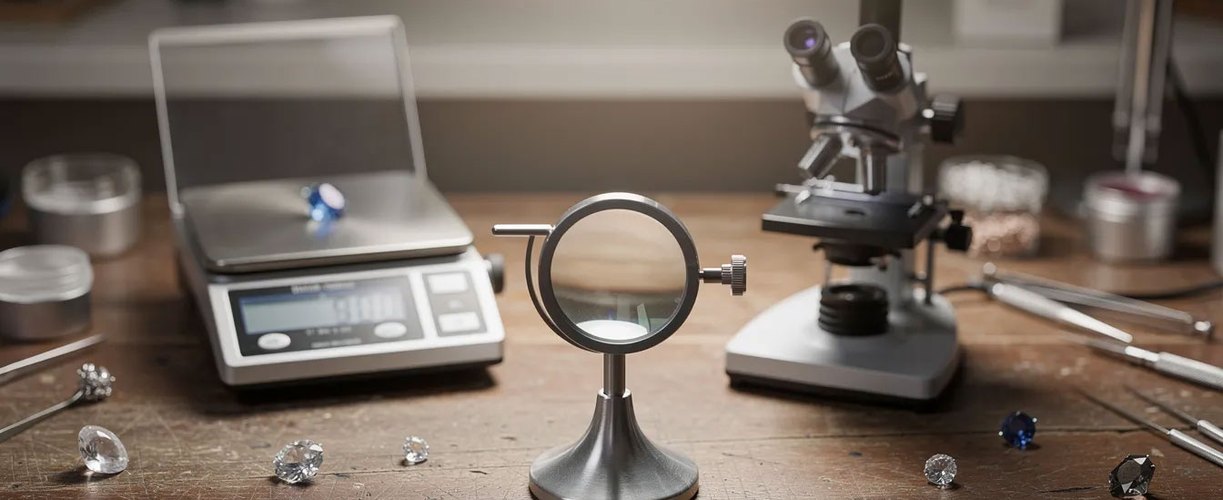
Selling at our Boca Raton showroom is straightforward. We look through everything with you and set aside pieces that may be worth more as jewelry. Gold is sorted by karat, tested and weighed on a scale you can see. Diamonds are examined under magnification, and each kind of item is priced separately.
You see the offer and how it was worked out before you decide. If you accept, you are paid the same day; if you do not, everything goes home with you. Evaluations are free. Florida law requires a government-issued photo ID for every sale, so please bring one.
What Our Customers Say
We would rather let real customers speak for us than write testimonials ourselves. You can read genuine, independent reviews on our Reviews page, which collects feedback from Google and other platforms.
Quick Answers
Is it better to sell or redesign unused jewelry?
Sell pieces with no meaning to you; redesign pieces whose stones you love but whose style you do not. Many people do both.
Why is my diamond worth less than I paid?
Retail prices include the jeweler’s costs and margin, while resale is wholesale. Natural diamond prices have also softened, and lab grown diamonds have little resale value.
Do you buy broken or single earrings?
Yes. Broken and mismatched gold is valued on its gold content just like intact jewelry.
Where can I sell an engagement ring safely?
Choose an established jeweler that tests and grades the diamond in front of you, explains the offer and pays the same day. Bring any grading report you have.
What should I do with old jewelry that has no value?
Plated and costume pieces can be donated, given away or kept for sentimental reasons. Have them checked first, since signed costume jewelry can have collector value.
Can I sell inherited jewelry before the estate is settled?
The seller must be entitled to sell, so estate jewelry is usually sold by the executor, with paperwork showing their authority. Ask the estate’s attorney if you are unsure.
How long does it take to sell jewelry at your store?
Most visits take well under an hour. Testing and weighing gold takes a few minutes per karat group, diamonds are examined at the counter, and the Florida paperwork adds a few minutes more. Large collections and estates take longer, so it helps to call ahead.
Will you tell me if something is worth keeping?
Yes. If a piece is worth more as jewelry, or has value you did not expect, we will tell you before you decide. Many people leave with fewer pieces sold than they planned, and that is fine.
Do I need an appointment?
No, you can walk in during opening hours. For a large collection or an estate, calling ahead lets us set aside time.
Ready to Clear Out Your Jewelry Box?
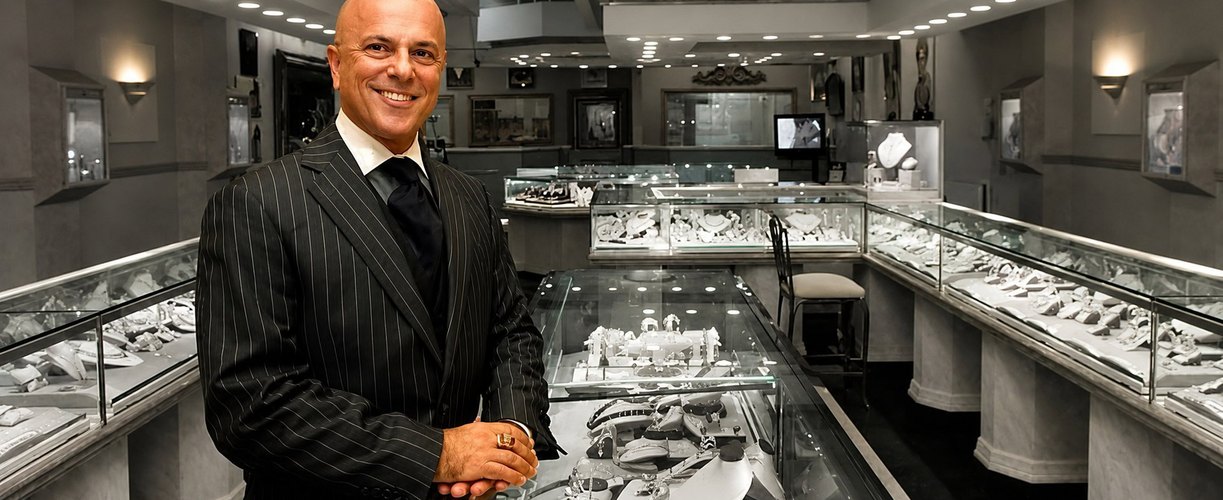
Bring your unused jewelry and a photo ID to David Stern Jewelers at 21073 Powerline Rd, #37, Boca Raton, FL 33433, Monday through Friday 9:30 to 5:30 or Saturday 10:30 to 4:30. Questions first? Call (561) 994-3330. You can also learn more about how we buy gold and buy diamonds in Boca Raton.